Norse Mythological Figures: Roles, Gods, and Archetypes

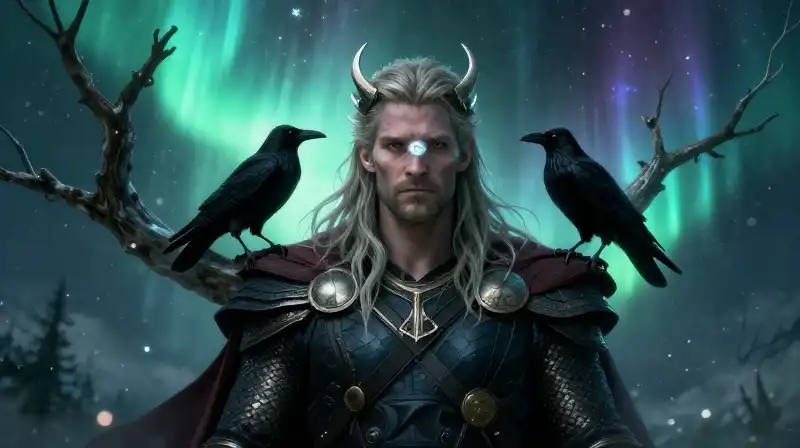
Introduction
The narratives of Norse mythology are more than just a collection of fantastical creatures and powerful gods; they are a mirror reflecting the social structure, spiritual anxieties, and poetic ambition of the Northern Germanic peoples. These stories, largely preserved in Icelandic literary traditions like the Eddas, offer a profound look into a worldview defined by honor, destiny, and the relentless cycle of creation and necessary destruction. For a reader seeking to genuinely understand these figures, the key is to look past simple definitions. The Norse mythos functions as a complex system of cultural mapping, charting the relationship between mortal action, divine influence, and the inescapable force of fate. This system is defined by a hierarchy of roles, shifting archetypes, and regional variations that reveal as much about the societies that produced them as they do about the gods themselves.
The Pantheon: The Aesir and the Vanir
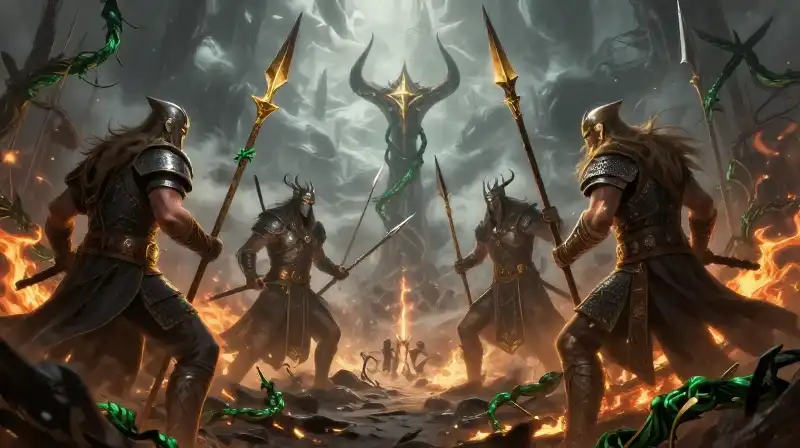
The divine landscape of Norse mythology is not a unified, homogenous entity, but rather a dynamic assembly of powerful figures who often represented distinct cultural forces. The central division often cited is between the Aesir and the Vanir 1. The Aesir are frequently portrayed as the warrior lineage of Northern Europe, led by figures like Odin, the chief god. They embody a sense of martial prowess and cosmic leadership. Among them are specialized figures defined by specific, often localized functions. For instance, Heimdall serves as the vigilant watchman of the divine realm, while Bragi holds the mantle of god of poetry and eloquence, highlighting the cultural value of wisdom and artistry. The Vanir, by contrast, are often understood as a grouping representing fertility and natural abundance. Figures within this group, such as Freyr and Freyja, define roles related to the seasons, prosperity, and passion, providing a balanced counter-narrative to the aggressive, warrior ethos of the Aesir 1. This duality—the warrior and the nurturer—is fundamental to the cosmology, illustrating the belief that the cosmic cycle requires both conflict and peace to continue.
Archetypes and the Spectrum of Status
Perhaps the most compelling aspect of Norse mythological figures is the fluid nature of status. The traditional division between “god” and “human” is complicated by the prevalence of figures who exist in a middle ground—the demigods, semi-divine heroes, and legendary kings. While some narratives present “demigods” clearly, scholarly analysis suggests that heroic status and allegiance could often supersede mere bloodline in the eyes of the community 1. This spectrum of heroism is vividly captured by figures like Sigurðr. He is a character whose narrative brilliance lies in his ability to bridge the gap between the supernatural lineage and the tangible, human historical context, serving as a template for the mythic hero who is both gifted and grounded 1. In contrast to these heroes, the archetype of the cunning trickster, Loki, occupies a vital position. Loki is not a figure of creation in the typical divine sense, but rather a “sly trickster” who is integral to major shifts and chaotic events across the Norse cosmos 1. His presence underscores the cultural recognition that chaos and unpredictable elements are necessary forces within the narrative of the world.
Regional Nuance and Historical Rebranding
When studying Norse figures, it is crucial to recognize the inherent variation across regional traditions. The myths were not static texts frozen in a museum; they were living stories that evolved depending on the teller and the era. This leads to notable discrepancies, such as the contrasting accounts of Balder’s death found between early Icelandic sources and later Danish narratives 1. Furthermore, the shift in these narratives often reflects the historical changes occurring in the communities that told them. Some scholars interpret the later portrayals of divine figures—particularly in Danish lore—as reflecting a process of “rebranding.” This could mean that older, more powerful divine narratives were “euherimistically explained away” or transformed into the stories of extraordinary men or aristocratic figures. This linguistic and cultural evolution suggests an attempt to integrate pagan heritage within a changing socio-religious landscape, potentially reflecting subtle Christian influences 1. This nuanced view applies to physical symbols as well. While the figure of Thor is widely recognized with a hammer, there is scholarly discussion that the powerful club-like symbol of the deity Donar may have had a pre-existing, localized cultic symbolism that predates the more universally known hammer 1.
The Forces Beyond the Gods: Fate and the Einherjar
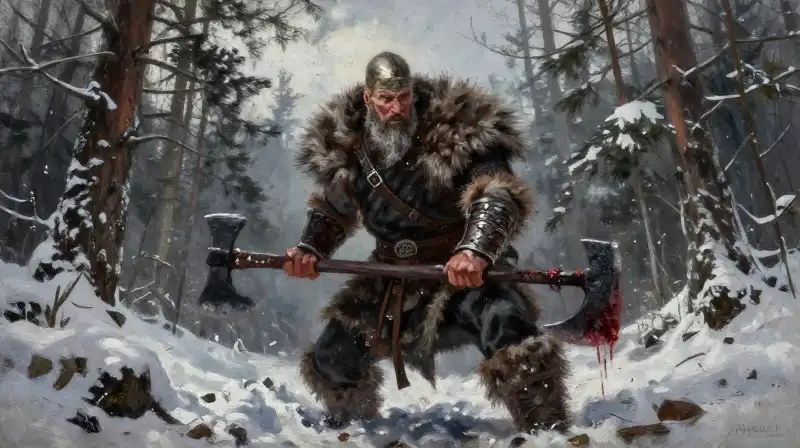
The Norse tradition extends its narrative depth beyond the Aesir and Vanir, incorporating figures and concepts that define the very boundaries of reality. The Norns are three goddesses of profound significance, as they are the weavers and maintainers of destiny itself. They represent the ultimate, inescapable force of time and future in the mythology. Another key group of characters are the Einherjar, the elite warriors chosen by Odin. They maintain a symbolic, powerful presence in the anticipation of Ragnarok, the cataclysmic end of the world. By incorporating these figures, the mythos creates a sense of inevitable grandeur—even the ultimate destruction is framed as a fulfillment of a predetermined, epic destiny. This focus on fate and heroic sacrifice is a defining cultural characteristic of the tradition.
Understanding the Narrative Weight
The existence of these diverse figures—from the warrior-god Odin and the trickster Loki to the stabilizing force of the Norns and the mortal heroes like Sigurðr—allows the tradition to address all the major human experiences of existence. The figures in Norse mythology are not merely decorative characters; they function as complex narrative tools that explore the interplay between destiny, human agency, and the forces that govern life and death. The richness of the tradition lies in its complexity: the shift from the local cult of Donar to the universal recognition of Thor; the subtle move from purely divine beings to complex demigods; and the constant dialogue between the primal chaos and the ordered, yet fragile, cosmos. Understanding these variations is essential to appreciating the living, evolving heritage of the Northern Germanic cultures that shaped this powerful and enduring mythos.
References
Footnotes
Frequently Asked Questions
Who are the 12 in Norse mythology?
The provided article does not contain any information regarding a group or figures known as the 12 in Norse mythology.
Who are the famous characters in Norse mythology?
The famous characters in Norse mythology include Odin, the chief god of the Aesir, and Loki, the cunning trickster integral to chaotic events, as well as the warrior Thor. Other notable figures mentioned are the Norns, who weave destiny, and the demigods Freyr and Freyja.
Related Articles