Berserkers in Norse Mythology: History, Rage, and the Gods

Introduction
The concept of the berserker, a warrior of the Old Norse world, represents far more than a mere fighting style or a savage outburst. It is a cultural phenomenon, a intersection where the raw power of nature meets the spiritual fervor of the human spirit. For the people of the North, the berserker was an elite, terrifying figure who seemed to transcend normal human limits, channeling an ancient, untamable fury. To understand this tradition is not simply to catalogue fierce battles, but to explore how a community viewed the boundary between human control and primal power. This tradition, deeply rooted in Norse mythology and historical practices, speaks to the complex relationship between men and the powerful natural forces that shaped their lives.
The Physiology of the Sacred Fury
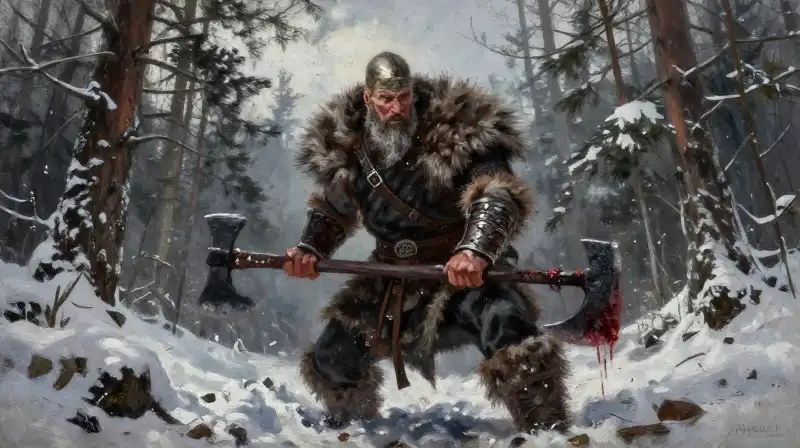
At the heart of the berserker tradition lies a state of near-trance-like frenzy, often described by Norse sources as an immunity to pain, fear, and even the destructive power of weapons (1, 2). This supposed “berserker rage” was not viewed simply as bravado; it was interpreted as a spiritual state. Scholars suggest several possible origins for this profound physiological shift. Some theories lean toward physiological responses elicited by extreme battle stress, while others propose a more mystical, shamanic element where the warriors were believed to be channeling animal spirits 1. This profound shift in awareness is encapsulated by the Norse concept of “going berserk,” described using the term hamask, which translates to “change form” 1. This suggests the rage was seen as a temporary transformation—a temporary leaving of the human self to become something wilder and more potent.
The Symbolism of the Great Beasts
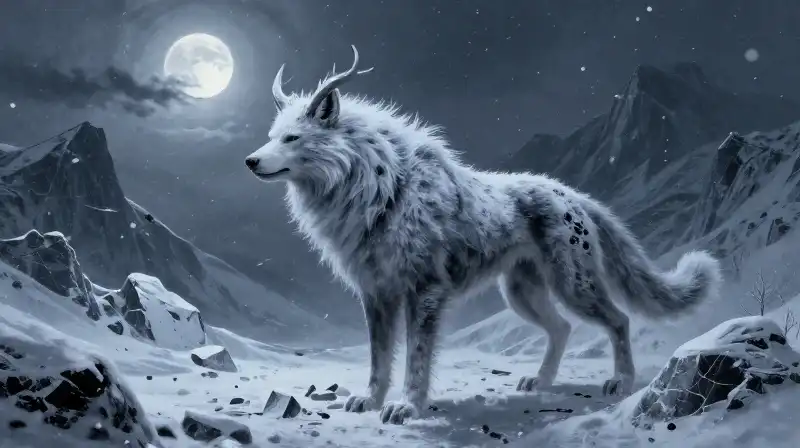
The most enduring cultural element of the berserker myth is its association with powerful animals. The etymology of the term likely points to their garb or appearance. While Snorri Sturluson’s 13th-century account suggested they might have fought without armor, a more prevalent interpretation, supported by modern scholarship, relates the term to Old Norse ber (bear) and serkr (shirt/coat), suggesting they wore garments fashioned from bear skins (1, 3, 2). This preference for bear or wolf imagery was not merely about costume. Across the northern cultures, warriors and shamans frequently linked their power to the fierce strength and ferocity of animals like the bears, wolves, and wild boars 1. This concept of becoming or embodying a predator was further evidenced by early artistic depictions, such as the bear and wolf hood associations found on Trajan’s Column in Rome, which reflected broader Germanic cultural echoes 1. Related to the bear motif, the Norse language also included the term Ulfheðnar (“wolf-skin-ers”), another classification of elite warriors tied to animal pelts 1.
Status, Power, and the Gods
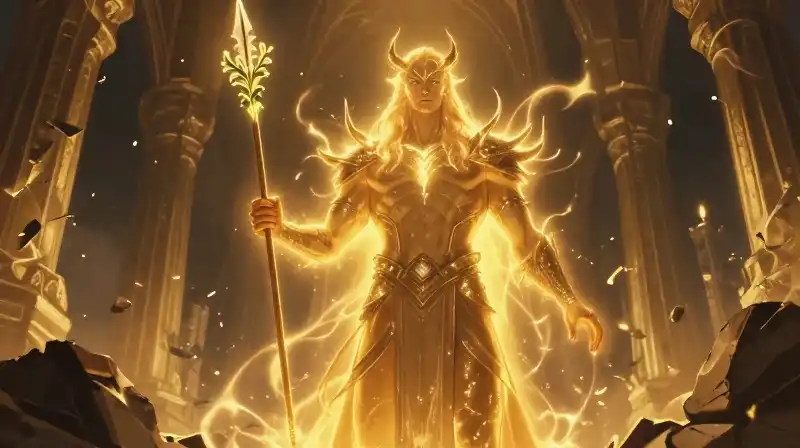
In the hierarchy of Norse society, berserkers were not common rabble; they were often regarded as elite troops. They were seen as highly valued fighters, frequently employed as bodyguards for kings, lending them a status that was both dangerous and prestigious 1. Their power was inextricably linked to the divine. The fury of the berserker was frequently portrayed as being spiritually associated with Odin, the chief Norse god 1. This divine connection elevated the practice beyond mere brutality; it framed the berserker as a chosen instrument of fate and warfare, capable of accessing the divine power of the Wild Hunt or the fury of the All-Father. Mythological tales further cemented this connection, featuring figures like Bödvar Bjarki, who were said to possess the hamrammr—the ability to shapeshift into the form of a bear 1.
The Shift from Ritual to Prohibition
While the tradition of the berserker once held deep spiritual and military significance, its cultural life underwent a profound change. As the influence of Christianity began to spread across the Norse lands, the powerful, trance-like nature of the berserker came under scrutiny. By the 11th century, the practice and reputation of berserkers shifted dramatically, leading to their outlaw status and eventual criminalization within the increasingly Christianized Norse laws 1. This transition reflects a larger cultural struggle—the tension between the ancient reverence for primal, chaotic power and the emerging order and moral dictates of a new faith.
Legacy in the Living Culture
The tradition of the berserker persists in modern culture primarily as a powerful archetype—a symbol of untamed ferocity, spiritual intensity, and the collision of man and nature. For contemporary readers interested in mythology, the berserker serves as a reminder of a worldview where the supernatural was not separate from the physical. The tradition teaches us that for many ancient societies, the deepest human experiences—rage, devotion, and the will to live—were believed to be inseparable from the elemental, spiritual forces of the world. To understand the berserker is to understand the enduring spirit of the North itself.
References
Footnotes
Frequently Asked Questions
What is the mythology of berserk?
The mythology of the berserker centers on a spiritual state of near-trance, where the warrior undergoes a temporary transformation called hamask to channel untamable fury. This power was inextricably linked to the divine, often associated with Odin, and frequently linked to embodying fierce animals such as bears and wolves.
What is the god of berserk?
The fury of the berserker was frequently portrayed as being spiritually associated with Odin, the chief Norse god. This connection framed the berserker as a chosen instrument of fate and warfare capable of accessing the divine power of the All-Father.
Related Articles