Mythical Creatures of Protection: Global Guardians of Myth

Introduction
The search for protection is a fundamental human experience. Whether seeking refuge from natural disasters, physical intruders, or the anxieties of the afterlife, cultures worldwide have created elaborate systems of faith and symbolism to ensure safety. Across nearly every tradition—from the rugged landscapes of Ireland to the intricate palaces of Mesopotamia—mythical creatures have been deployed as powerful symbols of guardianship. These entities are not merely monsters or aesthetic decorations; they are living cultural beliefs, reflections of a community’s deepest fears, hopes, and values regarding safety and order. They embody the belief that even the most chaotic or dangerous elements of the world can be countered, monitored, or overseen by a force greater than themselves.
Guardians of Place and Threshold
One of the most common functions of mythical creatures is to demarcate sacred boundaries and protect physical spaces. These figures act as powerful, often imposing, sentinels positioned at entrances, walls, or vital gateways. In ancient Mesopotamia, the Lamassu and Shedu served this role as colossal protective reliefs placed at palace gateways 1. Their immense size and divine association were intended to ward off evil and safeguard rulers. Similar architectural guardianship exists in East Asia. Komainu, or Shishi, are paired stone lion-dogs meticulously placed at the entrances of Japanese and Chinese shrines 1. These figures maintain the sanctity of the site by warding off negative spirits. In Chinese motifs, the Stone Lions further function as protective spirits over mortals when specifically requested, while the stylized Foo Dogs serve a dual purpose: symbolizing and protecting family status, palaces, and gates (1, 2).
Spiritual Protectors and Animating Forces
Beyond physical structures, some guardians operate within the human spirit and the unseen dimensions. These protectors deal not just with external threats, but with existential dangers and the complexities of human life. In ancient Egypt, the Sphinx embodies this dual protective function. It is described as a formidable guardian of tombs and thresholds, yet its role also extends to that of a spiritual protector, believed to safeguard the soul after death 1. The complexity of personal guardianship is also seen in Jewish folklore through the Golem—an animated clay figure created to defend a community. However, 1 notes a critical caveat: while the Golem provides defense, its unchecked power can pose a significant risk to those it seeks to protect. Similarly, in Arabic folklore, the Djinns can function as personal guardians. Classic texts describe specific guardian Djinn who are tasked with protecting an individual, underscoring the deeply personal nature of some mystical protection 1.
The Nurturing and Communal Guardians
Not all mythical protectors are stern or defensive. Many are figures of nurturing care, ensuring the well-being and growth of their communities. These guardians often have a connection to children or the specific environment they inhabit. In Irish mythology, the Faoladh werewolves are traditionally characterized as protective guardians who specifically focused on the needs of children and lost individuals within villages 1. This represents a uniquely localized form of guardianship, tied to the specific welfare of the community. A similar tradition is seen in certain European landscapes, such as Welsh traditions where dragons sometimes protect the villages they inhabit 1. In Egyptian tradition, the protective roles are also split between the domestic and the divine. Bastet is associated with household protection, while Sekhmet represents the formidable protector of the Pharaoh, serving to defend the home and repel both disease and evil 1. Even Yokai, diverse spirits across various mythologies, can function as protective forces contingent upon human interaction, such as through worship or a personal, established connection with a deity 1.
The Dual Nature of Power: Protection and Risk
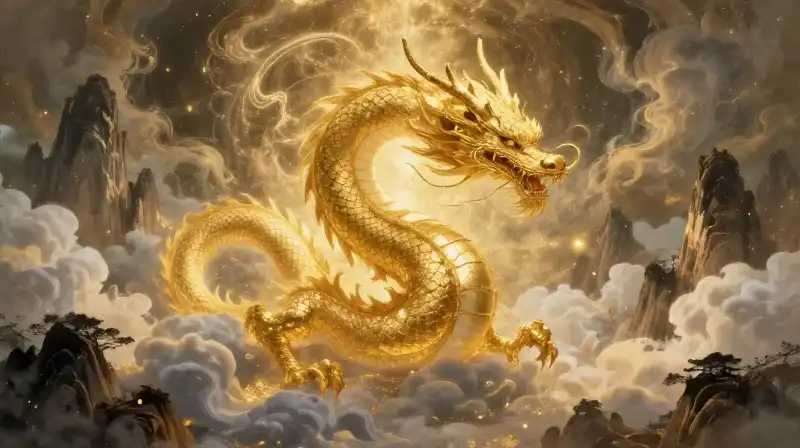
A central theme in these global traditions is that great power often comes with complexity, and even protection can carry risk. Norse mythology offers the figure of the Valkyries, female figures who serve as specialized guardians. Their role is highly significant and specific: choosing and escorting fallen warriors to Valhalla, thus bridging the gap between the earthly battlefield and the realm of the dead 1. This is a guardianship of destiny. East Asian dragons represent a powerful form of benevolent protection. Unlike the Western portrayal where dragons typically guard hoards of treasure, in many East Asian cultures, they are revered as benevolent guardians, protecting vital resources such as water sources or symbols of imperial power 1.
Mythical Creatures of Protection: Understanding the Symbolism
What mythical creature symbolizes protection?
The answer is not singular, which is key to understanding this tradition. A mythical creature symbolizes protection not necessarily through its appearance, but through the relationship it establishes with humanity or its environment. According to the research compiled across these traditions, protective figures can be categorized by the type of protection they offer 1:
- Territorial Protection: Figures like the Lamassu, Komainu, and Chinese Stone Lions, who safeguard specific architectural spaces.
- Existential Protection: Figures like the Sphinx or the Golem, who protect the soul or the physical survival of the community, often requiring a pact or ritual.
- Nurturing Protection: Figures like the Faoladh or domestic deities, who focus on the care of the vulnerable within a local group.
In essence, a creature becomes a symbol of protection when a culture assigns it the authority to counter a specific fear or threat—whether that threat is malicious spirits (Foo Dogs), chaos (Norse Valkyries), or death (Egyptian Sphinx).
The Enduring Significance of the Guardian
These global guardians reflect a universal human drive to establish order against chaos. Whether the protector is a mighty bronze automaton like the Tajos, created to protect the island of Crete for Zeus (3, 2), or a subtle, locally-connected Faoladh, the creature serves as an anchor in a community’s belief system. They offer a narrative framework for how the world is safe, or at least how one might ensure it is. By studying these traditions, we move beyond simple taxonomy and see that guardianship is a culturally defined act—a negotiation between the known dangers of the world and the powerful, often unpredictable, assurances of the divine or the supernatural.
References
Footnotes
Frequently Asked Questions
What mythical creature symbolizes protection?
Mythical creatures symbolize protection not necessarily through their appearance, but through the relationship they establish with humanity or their environment. According to the article, these protective figures can be categorized by the specific type of defense they offer, such as territorial, existential, or nurturing protection.
Related Articles