The Diverse Origins of Mythical Creatures in Global Lore

Introduction
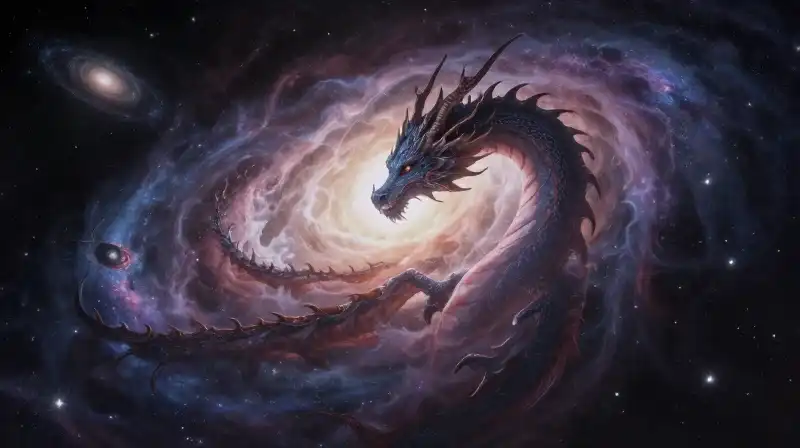
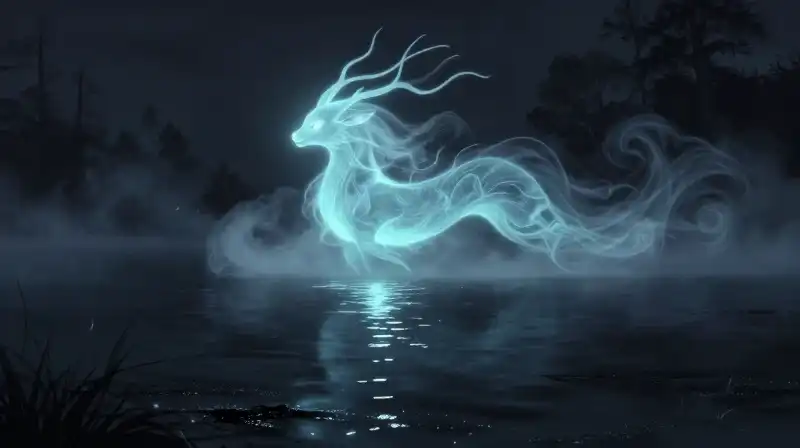
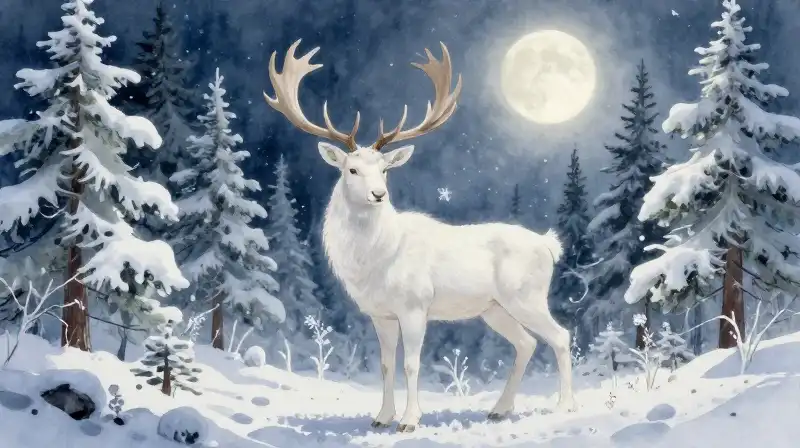
Across the global tapestry of human experience, from the sun-drenched myths of ancient Greece to the misty, primal narratives of Celtic folklore and Nordic sagas, the concept of the mythical creature serves as a powerful bridge between the known and the unknowable. These figures—be they serpentine giants, celestial hybrids, or formidable beasts—are far more than simple imaginative inventions; they are living markers of cultural memory and imaginative construction. They allow communities to explore the limits of their belief systems, challenge the natural order, and celebrate the unique ways they perceive the world.
The study of mythical beings reveals a profoundly human impulse to understand the “other”—the elements that defy easy classification. According to historical documentation, mythical narratives encompass a vast spectrum of global traditions 1. By examining the common threads and regional variations of these narratives, we move past simple definitions to understand how these creature-lore traditions shape identity, inspire art, and persist in contemporary culture, even in modern forms like collectible figurines and modern fantasy.
The Genesis of Lore: From Ancient Fears to Creative Expression
The roots of mythical creatures are as deep as human history itself, often emerging from a synthesis of ancient observation and human storytelling. These figures represent an attempt to conceptualize the overwhelming power of nature, the complexities of the spiritual world, and the mysteries of the unborn. Mythological creatures frequently manifest as unusual combinations of animals and humans, or as beings that exist entirely outside of the natural environment. This use of hybrids and transcendent entities allows folklore to function as a highly potent form of creative expression and imaginative narrative construction 1.
Whether they are the fears of a tribal society regarding a predator, or the grand epic battles recounted in Medieval European tales, these creatures serve a specific narrative function: they provide the context for human heroism, moral dilemmas, and the exploration of the sacred. The integration of the supernatural into foundational regional histories is also evident in the folklore surrounding biblical monsters, suggesting that these traditions were frequently used to define boundaries between the divine and the mortal 1.
Regional Variations: The Soul of the Beast Across Cultures
While the function of mythical beings remains universal—to explore the boundaries of existence—their form and function vary dramatically depending on the geography and historical context of their origin. What is terrifying in one culture may be revered in another, demonstrating the “living” quality of these traditions.
For example, the lore of Greek mythology presents creatures tied to cosmic forces and the evolution of civilization, while the deep-rooted Celtic folklore often involves spirits and entities that are intimately tied to the cyclical nature of nature and the physical landscape 1. Similarly, the Nordic traditions utilize creatures to represent the violent, chaotic forces at the edge of known civilization. These differences underscore the idea that folklore is not a static collection of stories, but an evolving reflection of the environment and social values of the people who hold it 1.
Children’s Curiosity and the Survival of the Myth
The survival and vibrancy of mythical lore depend heavily on its ability to transmit itself to new generations. A critical observation in the study of folklore is the driving force of human curiosity—specifically the child’s urge to question the origin and nature of these strange creatures 1. When a child asks why a dragon breathes fire or how a cyclops became a beast, they are engaging directly with the core meaning of the culture’s narrative. This inquisitive engagement ensures that the ancient lore originating from around the world, such as those from Greek or Celtic traditions, continues to be documented, discussed, and passed down 1.
This cycle of inquiry and storytelling ensures that these narratives do not become “dust” relegated to historical archives. Instead, they remain active elements of a community’s shared consciousness. This vitality is often mirrored in modern popular culture, where the deep archetypes established in ancient stories find new expression in various forms, from high fantasy literature to contemporary media and even the production of mythical creature action figures 1.
Beyond the Narrative: Myth as Cultural Currency
While the core purpose of mythical lore is to educate through narrative, the contemporary relationship with these creatures has also evolved into a form of cultural participation. The creation and consumption of mythical artifacts—be they detailed toys or elaborate fictional universes—are modern manifestations of a desire to physically engage with the ideas of ancient lore 1. These figures often allow individuals to connect with a vast, historical library of imaginative construction and regional storytelling.
However, it is important to view these modern applications as a secondary layer of meaning. While they serve as a modern “currency” of fandom and creativity, the true value of these creatures resides in the original intent: to stimulate critical thinking, reflect the anxieties and wonders of the past, and provide a common framework for people to discuss the unknown. The action figure and the ancient epic are two points on a continuum, both rooted in the same profound human impulse to give shape to the stories that define our world.
Understanding the Scope of Myth
When exploring the concept of mythical creatures, it is helpful to understand that the lore is diverse and constantly being reinterpreted. Whether the interest lies in the intricate details of specific figures or the broader scope of legendary beasts, the journey is ultimately a journey into the human psyche. The documentation of mythical creatures across cultures allows for an exploration of the collective imagination, demonstrating how humans across thousands of years and continents sought to understand the extraordinary. This deep dive into global lore is not simply an exercise in naming monsters; it is an attempt to understand how communities construct meaning, challenge natural laws, and build lasting cultural heritage.
References
Footnotes
Related Articles