The Complex Dynamic Between Odin, Thor, and Loki

Introduction
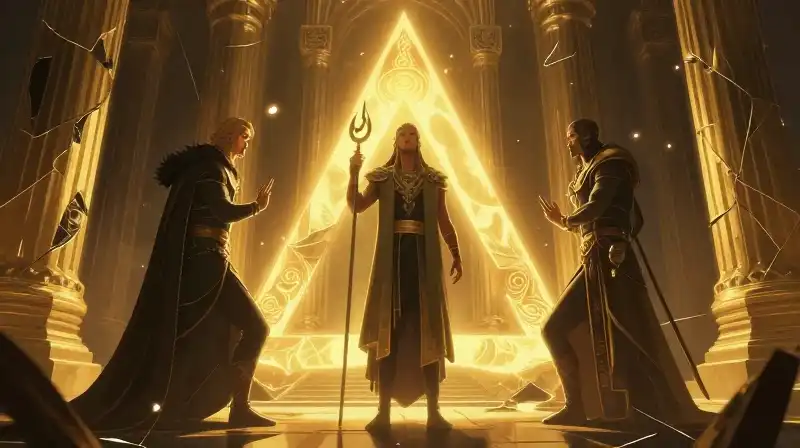
The figures of Odin, Thor, and Loki are perhaps the most recognizable archetypes in global folklore, yet they are often flattened into simple binary opposites in modern storytelling. For readers seeking to understand the Norse tradition—how people celebrated, created, and viewed the balance of their world—these characters represent much more than just powerful beings. They are embodiments of complex cultural concepts: the weight of authoritative law, the steadfast nature of physical power, and the inherent necessity of chaos. To genuinely grasp the dynamic between these three figures is to understand the tension between order and entropy that underlies the entire mythological narrative.
The Pillars of Order: Authority and Steadfast Power
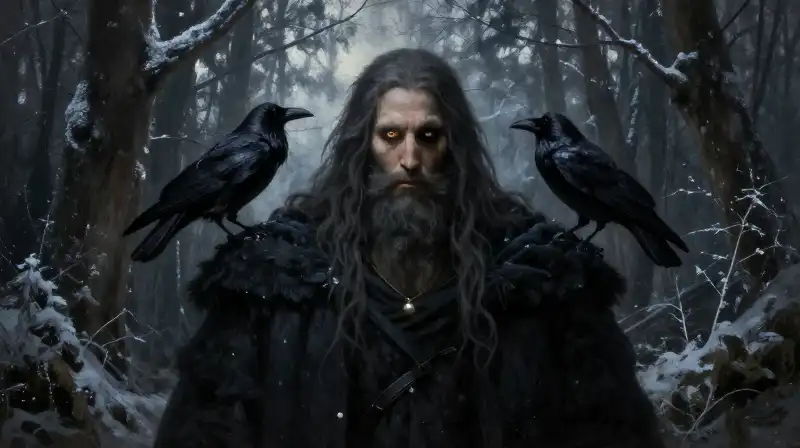
Within the societal structure implied by the myths, Odin and Thor occupy distinct but complementary roles that address different societal needs. Odin, revered by kings and warrior chieftains, is understood as the Allfather and the sovereign of Valhalla 1. His authority is not merely military; it is linked to the acquisition of ultimate wisdom. According to 1, Odin achieved this wisdom through the costly sacrifice of an eye to drink from Mímir’s well. This narrative establishes a core theme of the tradition: true authority and profound knowledge always come at a high personal cost. While he holds the reins of high society and strategic planning, his power is cerebral and far-reaching.
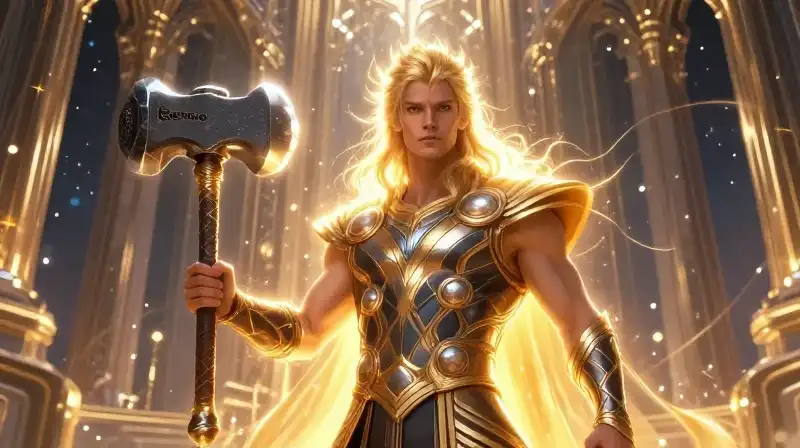
In contrast, Thor serves as the guarantor of stability and the protector of the common folk. He is the god most widely worshipped by the general population for his reliability and predictability 1. Where Odin rules from the heights of knowledge and strategy, Thor embodies the brute, steadfast power required to maintain law and order on the ground. He is the protector who ensures that the laws of the world are respected, representing a dependable, grounded form of divine intervention.
The Agent of Chaos: Loki’s Paradox
Loki presents the most radical divergence from the traditional structure. He is primarily identified as a Jotun (a giant), yet he lives within the realm of the Aesir (the gods) and operates as a formidable trickster 1. He is a character of extreme duality: untrustworthy, manipulative, and dangerously unpredictable, yet his existence is central to the dynamic function of the world. Loki acts as the force of disruptive change—the agent of chaos who, while often a threat to Thor and the gods, is vital to the narrative progression.
Modern popular media frequently simplifies the relationship between Loki and the Aesir, often portraying him as a direct brother to the primary gods. However, scholarship suggests a deeper, more ritualistic connection. Traditional accounts suggest Loki functioned less as a biological brother and more as an “adopted” or sworn uncle figure to Thor 1. His ability to be tolerated among the Aesir, despite his untrustworthiness, is often traced back to the specific “blood pact” he shared with Odin (1, 2). This nuanced relationship shows that in this tradition, power is often maintained not just through might, but through ancient, binding oaths.
The Bonds of Oaths and Progeny
The relationships within this tradition are defined by profound, often dangerous, commitments rather than simple affection. The conflict between Thor and Loki exemplifies this tension between chaos and stability. According to 2, the myths portray Loki as being particularly feared by Thor, but it is also stated that Thor is the only god who will uphold his word to Loki. This detail underscores a critical cultural value: even in the face of Loki’s disruptive nature, the principle of sworn word and legal obligation remains paramount to the divine order.
The legacy of Loki also provides a profound illustration of the unpredictable nature of existence. He is noted for fathering powerful entities that represent immense, uncontrollable forces, such as the wolf Fenrir and the serpent Jörmungandr 1. These creations, born from his manipulation and power, are forces that challenge the established order, highlighting the mythological theme that even agents of chaos are essential to the completeness of the cosmos.
Answering the Central Questions: Roles and Dynamics
The relationship between Odin, Thor, and Loki is not a unified trio of friends; it is a carefully balanced ecosystem of necessary forces. To clarify the dynamics for those exploring the Norse traditions, we can look at the function of each figure:
- Odin (The Authority): Represents strategic wisdom, military leadership, and the high cost of knowledge. He rules the established structure.
- Thor (The Order): Represents reliable physical strength, dependable law enforcement, and the protection of the common people. He upholds the status quo.
- Loki (The Catalyst): Represents unpredictable change, necessary disruption, and the raw, uncontrollable energy that prevents stagnation. He tests and challenges the structure.
Regarding the question of friendship, the traditional relationship between Thor and Loki is fraught with antagonism and mutual suspicion. Their relationship is defined by obligation and opposition—Loki is the unpredictable element that forces Thor and Odin to constantly reassess and defend their established order.
Synthesis: The Perpetual Dance
What this dynamic ultimately reveals about the Norse worldview is not a tale of heroes and villains, but a sophisticated understanding of how societies function. The stories affirm that order (represented by Thor and Odin) is not static; it is constantly being tested, challenged, and shaped by unpredictable, chaotic forces (represented by Loki). The gods and beings are not static definitions; they are living embodiments of cultural values regarding law, wisdom, physical strength, and necessary change. By examining the complex relationships—the blood pact between Loki and Odin, the dependable oath of Thor, and the unpredictable nature of Loki’s progeny—we move past the simplistic modern interpretations and gain a genuine insight into the deep, persistent tension between stability and transformation.
References
Footnotes
Frequently Asked Questions
Does Odin love Thor and Loki?
The article does not describe the relationships between Odin and the other figures using terms of affection, defining them instead by a blood pact, profound, often dangerous commitments, and the tension between stability and change.
What did Loki do to Odin in Thor?
The article does not detail a specific action Loki performed on Odin within the context of Thor. However, it describes Loki as the agent of chaos who acts as a catalyst that forces Odin and Thor to constantly reassess and defend their established order.
Who are Odin Thor and Loki?
Odin embodies strategic wisdom and authoritative law, while Thor signifies steadfast physical power and the maintenance of order. Loki, conversely, represents unpredictable change, disruptive energy, and the inherent necessity of chaos.
Related Articles