Mythical Water Dragons: Exploring Global Lore and Legends

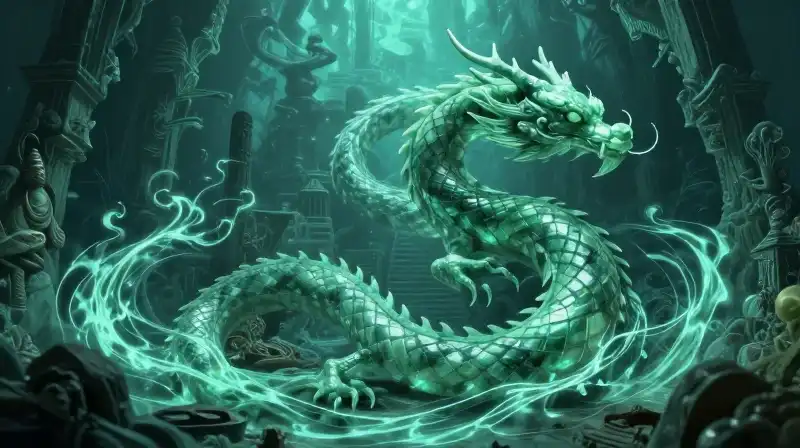
Introduction
The image of the dragon often conjures tropes of medieval European fantasy—a behemoth to be vanquished, a symbol of raw, destructive power. Yet, across the globe, the creature known as the dragon, or its serpentine counterpart, holds a far more complex and often profoundly benevolent place in living culture. These mythical water dragons are not merely beasts; they are living cultural archives, embodying the relationship between ancient people and the elemental forces that shaped their worlds—creation, climate, and destiny. To understand a mythical water dragon is to understand the primal relationship between a community and its environment.
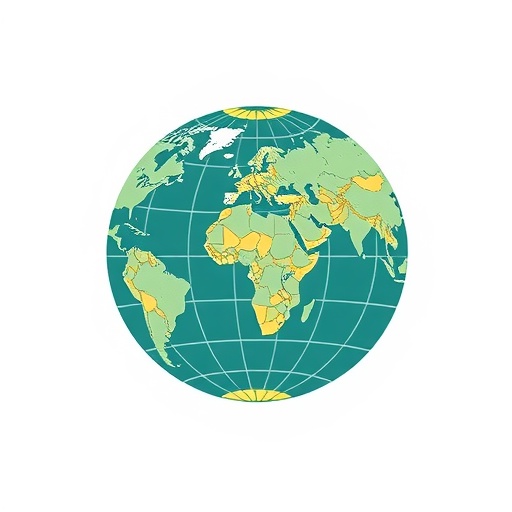
These creatures frequently manifest as colossal serpents, aquatic spirits, or winged guardians, embodying the wild, untamed aspects of nature. Their narratives reveal whether a culture views the power of water and earth as a blessing that must be invited or a force of chaos that must be appeased. Whether appearing in the misty hills of Wales, the fertile plains of Vietnam, or the arid coast of Australia, the dragon serves as a powerful conduit for explaining the inexplicable—a lost season, a successful harvest, or the very formation of the land itself.
The Primal Bridge: Creation and Elemental Force
At the heart of many global dragon myths is the concept of the dragon as a creator or a shaper of the world. These beings are often seen as intermediaries between the divine and the human experience, holding the key to the planet’s most vital resources. In Vietnam, the Dragon King, Lac Long Quân, is a foundational figure who brings necessary rain for bountiful harvests, leading generations of people to identify as “children of the Dragon” 1. This links the dragon directly to life and sustenance.
This connection to the cycle of nature is strikingly similar in Australia. The Ngalyod, or Australian rainbow serpent, is revered by various Aboriginal tribes as a powerful symbol of wisdom and strength. It is closely associated with creation, the seasonal changes of the monsoon, and holds the power over both rain and destruction 1. Similarly, in Albanian folklore, the Bolla initially functioned as a serpentic dragon revered as the deity Boa among early ancestors, before its evolution into the Kulshedra or kuçedra, a figure associated with drought and demanding sacrifices 1. These regional shifts demonstrate how a single archetype adapts to the specific environmental challenges faced by a culture.
Guardians of Identity and Territory
Beyond creation, the mythical water dragon often serves as a profound marker of regional identity and territorial history. These legends help communities understand their origin and their place in the world, linking intangible spirit to tangible landscape.
In Wales, the identity of the people is inextricably tied to Y Ddraig Goch, the red dragon. This figure is not merely a mythological beast but a cultural icon that symbolized Welsh identity and historical resistance, culminating in its presence on the Welsh national flag 1. In Spain’s Asturian and Leonese regions, the Cuélebre is a winged serpent viewed as a powerful entity that guards ancient treasures and engages in the abduction of xanas. Its poisonous breath, often linked to the cattle of the region, grounds the mythology in the daily life and economy of the local community 1.
The link between myth and geography is also evident in Northumbria, where the local folklore surrounding the Worm hill dragon at Knotlow suggests that the terraced landscape itself was formed by the coils of its tail. This powerful narrative connects ancient volcanic activity to the power of local folklore 1.
The Spectrum of Influence: Misfortune and Redemption
Crucially, mythical dragons do not always represent simple good or evil. Many traditions recognize them as entities of complex, unpredictable power, bringing both immense blessing and profound misfortune. Their presence often defines the boundaries of human control over the natural order.
In Lithuanian tradition, regional spirits like the household spirit Žaltys or the dragon Aitvaras are understood to bring mixed blessings to a home; they might bestow stolen wealth or bring misfortune 1. Meanwhile, the Slavic Zmey, a multi-headed, fire-breathing dragon, traditionally symbolizes evil. However, in Serbian and Bulgarian lore, this same archetype is transformed into a fierce defender against even more destructive demons 1. These regional variations illustrate a crucial cultural nuance: the meaning of the dragon depends entirely on the cultural framework through which it is viewed.
In contrast, French narrative traditions often employed dragons to symbolize human triumph. Figures like Graoully of Metz frequently appear in European folklore as representatives of Christianity’s victory over ancient, chaotic paganism 1. Conversely, other regional variations, such as the Italian Tarantasio, are tied intimately to specific geographic features like the waters of Gerundo Lake 1, suggesting a localized power that is neither universally evil nor strictly moral.
Understanding the Water Dragon Archetype
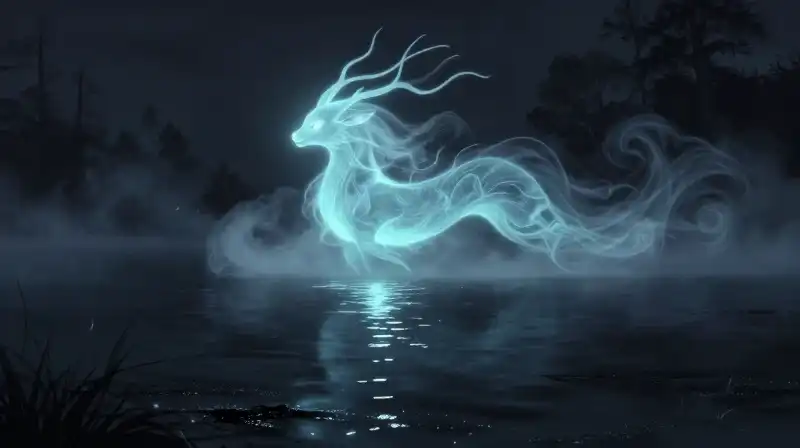
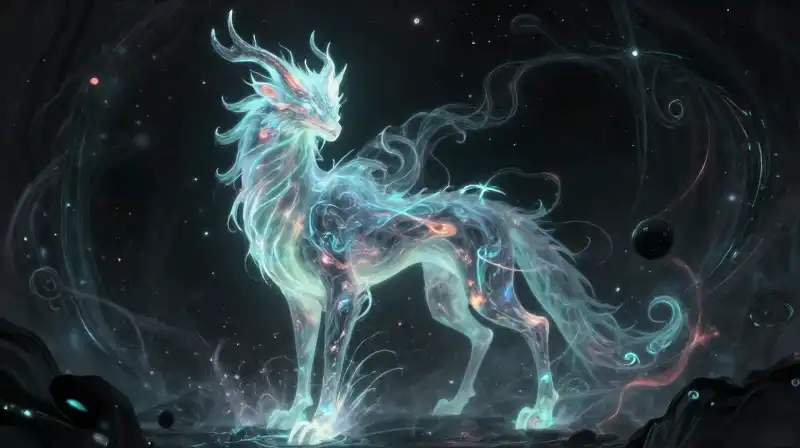
When asked to define the mythical water dragon, it is important to look past the specific names and understand the fundamental archetypes. Generally, water dragons encompass creatures that are aquatic or marine, or those possessing significant Aquakinetic Powers 1. They are forces of the deep, representing the mystery of the unconscious and the power of untamed nature.
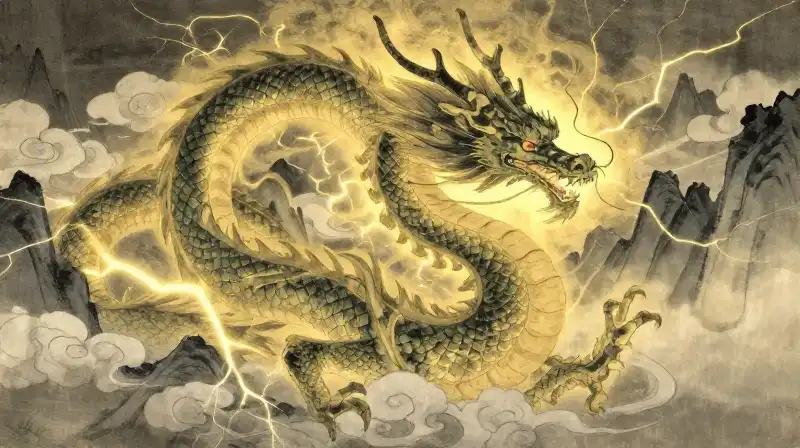
In a broader philosophical context, particularly within East Asian cultures, the concept of the Chinese ouroboros—a serpent consuming its own tail—reflect a profound belief in the infinite nature of time and the continuous cycle of life and death 1. This philosophical focus, while distinct from the destructive serpents, places dragons within a continuum of cosmic power. Furthermore, the Norse sea serpent Jormungandr, or the Midgard/World Serpent, is frequently depicted on shields and boats by warriors as a fearsome symbol of formidable power, even though it is recognized as an adversary of the gods 1.
Different cultures give these figures different roles:
- Guardians and Ancestors: Lac Long Quân and the Australian Ngalyod.
- Markers of Identity: Y Ddraig Goch.
- Agents of Chaos/Renewal: Kuçedra and the Zmey.
- Cosmic Forces: The Ouroboros and Jormungandr.
Conclusion: The Enduring Power of the Serpent Myth
Ultimately, the study of mythical water dragons offers more than just a list of elaborate legends; it offers a window into how humanity negotiates its relationship with the natural world. These creatures are enduring symbols of the untamable, a way for communities to give form to abstract concepts like climate stability, cultural defiance, and the cyclical nature of existence. Whether they are guarding a secret in the Asturian mountains or bringing the life-giving monsoon in Australia, the dragon persists as a living cultural force—a testament to the enduring power of folklore to capture and explain the immense complexity of the world.
References
Footnotes
Frequently Asked Questions
What is the name of the mythic water dragon?
The article provides several names for mythic water dragons, such as the Dragon King Lac Long Quân from Vietnam, the Australian rainbow serpent Ngalyod, and the Norse sea serpent Jormungandr. Other examples mentioned include Y Ddraig Goch in Wales and the Albanian Kulshedra or kuçedra.
Who is the dragon of water?
Mythical water dragons generally encompass creatures that are aquatic or marine, or those possessing significant Aquakinetic Powers. They are forces of the deep that represent the mystery of the unconscious and the power of untamed nature.
Related Articles