Japanese Mythical Dragons: Deities, Gods, and Cultural Lore

Introduction
To understand the traditional role of the mythical dragon in Japanese culture is to understand its profound connection to the land itself. While the term often evokes images of fire-breathing Western beasts, the Japanese dragon—known as a Ryū or Tatsu—is fundamentally an aquatic deity and a crucial figure in the nation’s spiritual and agricultural life.
Are there dragons in Japanese mythology? The answer is a resounding yes. These serpentine creatures are not mere monsters or decorative elements; they are revered as powerful kami (water deities) who govern the flow of rivers, the bounty of the seas, and, most importantly, the necessary cycles of rain. For centuries, the survival of Japanese communities, particularly those reliant on rice cultivation, depended upon the goodwill of these powerful dragons (1, 2). The dragon, therefore, represents far more than just mythical power; it is a symbol of fortune, wisdom, and the essential life-giving force of water.
The Dragon as the Keeper of Life and Land
The cultural significance of the Ryū begins in the agrarian necessity of pre-modern Japan. In a landscape prone to unpredictable weather, the dragon served as the physical embodiment of hydrological power. Archaeological findings, dating back to the Yayoi period, confirm this deep ritual connection. Imagery of dragons has been found linked to pottery specifically used for water storage, proving that early communities developed rituals to appease and honor the water-controlling entity 1. The Ryū is implored by the community, not to cause destruction, but specifically to bring nourishing rainfall and sustain the land, making it a potent symbol of prosperity and stability 1.
This deep-seated respect for water has allowed the Japanese dragon to adopt various forms of power. While they embody immense strength, they are also depicted as creatures of wisdom and transformation, capable of evolving through stages—often beginning as a snake or carp before achieving their mature, powerful form 1. This adaptability mirrors the shifting nature of the seasons and the importance of perseverance in agricultural life.
A Synthesis of Influences: Iconography and Form
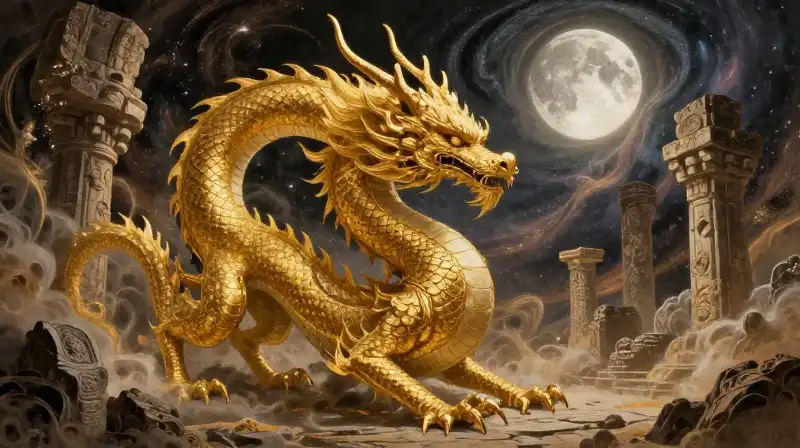
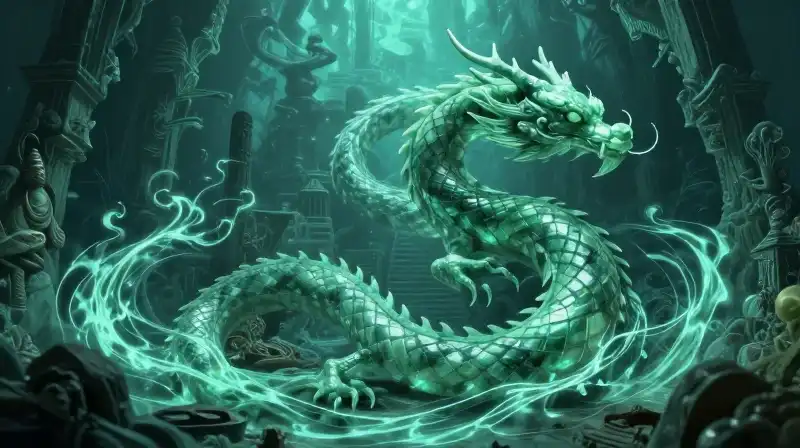
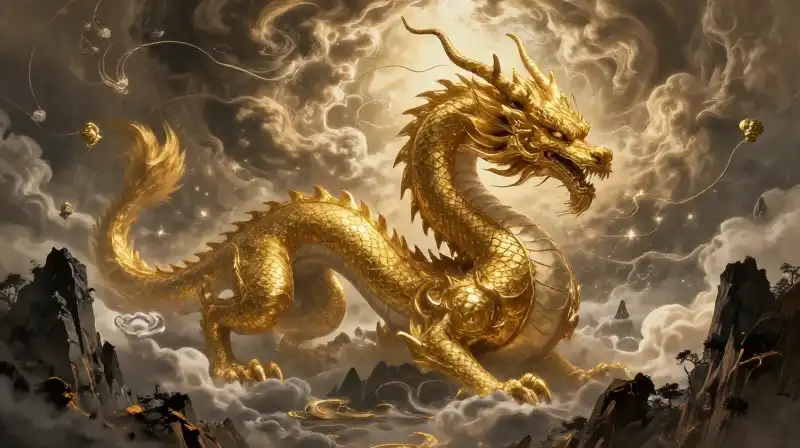
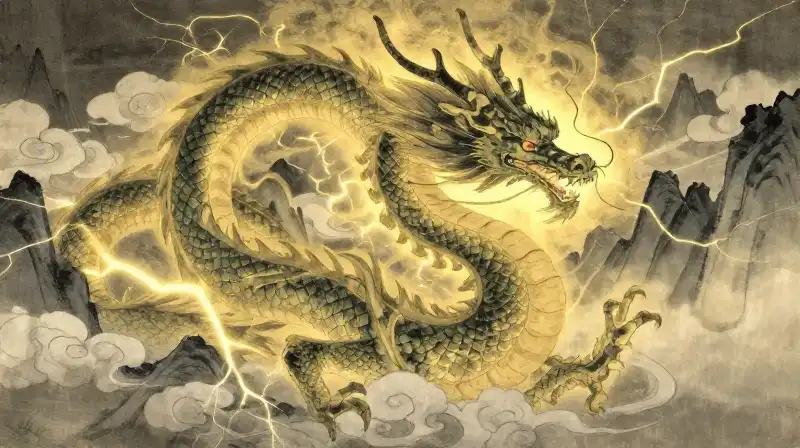
The visual representation of the Japanese dragon is a fascinating study in cultural exchange. Its depiction is a vibrant fusion of native legends with powerful symbols imported via China, Korea, and the Indian subcontinent 1. Unlike the winged, aerial versions found in European folklore, the traditional Japanese dragon is typically rendered as a massive, powerful, serpentine creature, often notably wingless 1. This grounded, aquatic form emphasizes its connection to the earth and water rather than to the heavens.
The iconography also demonstrates a subtle complexity that separates the Japanese tradition from its neighbors. While Japanese art frequently depicts dragons with three claws, there is a scholarly discussion regarding the differences from the Chinese dragon, which typically features four or five claws. An interesting cultural belief suggests that the number of claws on the dragon grew as its lore and influence traveled from Japan into China 1. Regardless of the specific count, the dragon maintains its status as a versatile and adaptable symbol of power and grace.
Spiritual Sovereignty: From Royalty to the Depths of the Sea
The dragon’s role extends far beyond the fields and forests; it is a central figure within Japanese spiritual practices. In the realm of Buddhism, the dragon serves as a potent guardian. Found prominently in temple sculptures and paintings, they are often depicted protecting important deities 1.
Furthermore, the influence of Indo-Japanese traditions (Buddhist and Hindu) is visible through the concepts of the Nāga and Nāgarāja. These mythical kings of the underworld and waters have manifested in Japan through motifs such as the “8 great naga kings” 1. These concepts demonstrate how global spiritual currents converged in Japan to create a uniquely powerful deity: Watatsumi, also known as Ryujin. Ryujin is the revered Dragon King and god of the sea, who governs a vast underwater palace and maintains dominion over all aquatic life and the turbulent waters of the ocean 1.
The Dragon in Legend: Narratives of Chaos and Divinity
Japanese mythology is replete with tales of great power and struggle, often centered around the dragon. One of the most significant narratives is the legend of Yamata no Orochi. This primordial, terrifying entity is described as an evil eight-headed dragon. Its monumental defeat by the divine god Susanoo was not merely a monster slaying; it was a foundational myth that resulted in the recovery of the sacred sword Kusanagi no Tsurugi, tying the dragon to the establishment of order and the forging of sacred tools 1.
Historically, the relationship between the dragon and political authority has been complex. Early ritual imagery of the dragon was often intertwined with the management of natural resources and fertility. However, over time, the focus of power symbols gradually shifted, evolving toward reflecting the authority and authority of the ruling king rather than being singularly centered on the dragon itself 1. This shift underscores the dynamic relationship between mythical power and human political systems within the culture.
The Living Dragon: Tradition in Modern Ritual
The belief in the power and majesty of the Ryū continues to manifest in modern Japanese cultural life. Ritual celebration serves as a vibrant link to ancient heritage. The Kinryū-no-Mai, or “Golden Dragon Dance,” is a prime example. This is an annual, magnificent performance held at major temples, such as the revered Sensō-ji, where performers embody the dragon’s fluid, serpentine power 1. The dance embodies the desire for good fortune and the continued respect for these powerful forces.
Interestingly, scholars suggest a connection between the dragons and horses in ancient Japan. Both figures were potent symbols of water and rain-making power, possibly reflecting continental influences on Japanese notions of royal and natural power. This shared symbolism highlights a broader cultural preoccupation with harnessing and honoring forces that control life itself 1. Whether through ancient myths or contemporary dances, the Japanese mythical dragon remains a powerful icon of environmental respect and spiritual fortitude.
References
Footnotes
Frequently Asked Questions
Are there any dragons in Japanese mythology?
Yes, Japanese mythology includes the Ryū or Tatsu, which are revered as powerful kami (water deities) who govern rivers, the bounty of the seas, and the necessary cycles of rain.
Related Articles