Beyond the Heroes: Unpacking the Cultural Threads of Greek Mythology

Introduction
Beyond the Heroes: Unpacking the Cultural Threads of Greek Mythology
Greek mythology often serves as a grand theater for monumental actions—the slaying of a beast, the construction of a mighty empire, or the lineage of a mighty king. While the epic heroes capture the imagination of any outsider, the true richness of the tradition lies in the cultural threads that weave through their stories. These narratives are far more than a collection of tall tales; they are a historical and cultural travel experience, offering a window into the preoccupations, anxieties, and fundamental beliefs of the ancient world. They illustrate how a people processed the unpredictable nature of existence, the relationship between mortals and the divine, and the complexities of familial life.
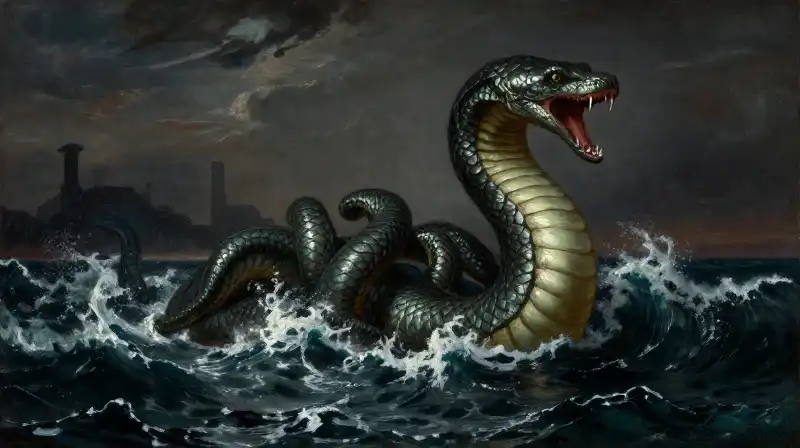
The myths provide a complex mirror to the human experience, using monsters and divine drama to explore deep questions about fate and choice. They are the enduring testament to ancient cultural concepts of divine authority, familial tension, and the inherent fragility of human life, as detailed in the narratives of the ancient world 1.
The Unpredictable Nature of Divine Authority
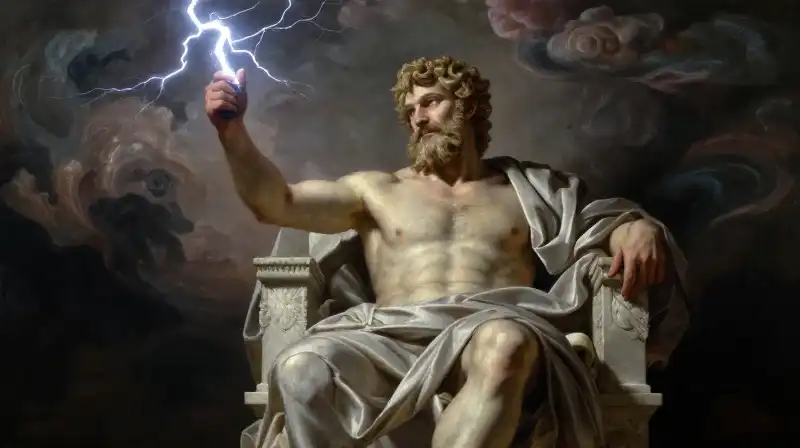
A defining feature of Greek mythology is the depiction of deities whose behavior is neither moral nor strictly logical by modern standards. The gods are not merely omnipotent figures; they are powerful actors who are subject to the same dramatic passions and interpersonal struggles as mortals. This “gods behaving badly” dynamic 1 provides crucial cultural illumination. It suggests that the divine realm is one of complex, shifting relationships rather than perfect justice. For the ancient Greeks, authority—whether wielded by a king or a god—was seen as unpredictable and inherently tied to human-like temper and emotion.
This leads to the concept of “divine intervention,” a constant element in the mythological tapestry. This divine input on human affairs and the natural order serves as a narrative device to explain seemingly random events or to highlight the limits of human control. These interventions are rarely comforting; they often intensify human struggles. Whether through the blessing of a hero or a catastrophic punishment, the gods serve as a reminder that human existence is not governed solely by earthly reason, but by a vast, occasionally erratic, divine will 1.
Inheritance, Rivalry, and the Weight of Fate
One of the most persistent narrative archetypes is the fierce sibling rivalry. These familial tensions are not treated as mere personal quarrels but as foundational elements of the mythological structure 1. These stories explore the inherent conflicts within the family unit, suggesting that internal strife—often between those who share the same blood and divine blood—is central to defining the destiny of a people or the character of a civilization. The struggle for supremacy, whether over a throne or a hero’s destiny, drives much of the mythological action.
Equally significant is the motif of “ancient curses.” The presence of these inherited troubles speaks to a deep cultural preoccupation with consequences and fate. These curses suggest that actions have lasting repercussions that transcend generations. A character’s doom or blessing is rarely a single, isolated event; it often carries the weight of ancestral decisions and the slow, inevitable pull of destiny 1. The mythology thus serves as a framework for understanding inherited burdens and the inescapable nature of fate.
The Human Condition: Fragility and the Quest for Immortality
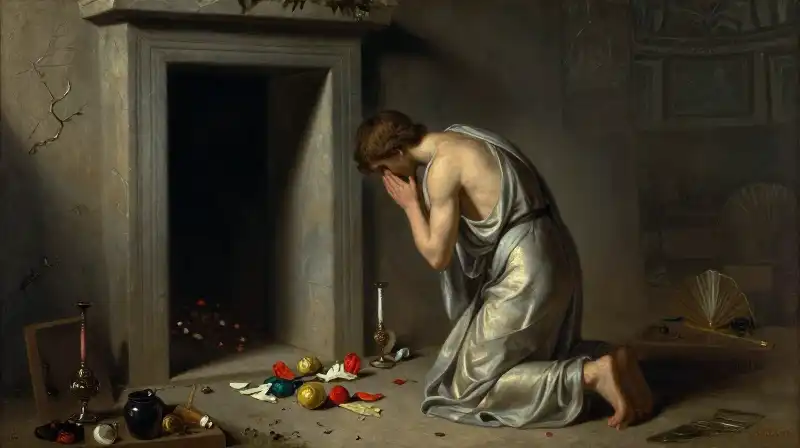
Set against a backdrop of perilous journeys and dramatic collapses, Greek mythology frequently and powerfully explores human fragility. The narratives frequently incorporate elements that underscore the peril of existence, such as “disastrous shipwrecks” 1. These moments are not simply plot points; they are cultural meditations on the vulnerability of the human soul when pitted against the immense power of nature and the whims of the gods.
This vulnerability creates the dramatic tension that underpins the concept of the quest for immortality. The search for a state beyond mortal limits—whether through heroic deeds, mystical rituals, or the intervention of a benevolent (or male) deity—is a recurring theme, suggesting a profound cultural focus on ultimate human and divine aspirations 1. The mythical quest reflects the universal human desire to transcend the limitations of the physical body and to achieve a meaningful, lasting legacy.
Understanding Modern Interpretations
While the primary source of these narratives is the distant ancient world, Greek mythology continues to evolve. In contemporary culture, these foundational stories are undergoing reinterpretation. Modern “family-friendly Greek mythology retellings” offer accessible, narrative formats that make these complex traditions available to new generations 1. These modern iterations allow a wider audience to engage with the source material while often smoothing over the more brutal or violent aspects of the original ancient texts.
For the reader seeking a deeper understanding beyond superficial narratives, these modern forms can serve as an introduction, but they do not replace the necessary context of the original traditions. They are, in effect, a contemporary way of engaging with historical or cultural travel through an era of profound foundational myths 1.
Synthesis: More Than Storytelling
Ultimately, exploring Greek mythology is about understanding how human societies grapple with the unknown. The interwoven themes—the chaotic power of the gods, the corrosive weight of familial rivalry, and the constant yearning for immortality—provide a deeply human commentary on the state of the world. These myths are cultural archives, mapping the anxieties, hopes, and moral dilemmas that the ancients faced. They encourage us to see that great stories are always reflections of profound human concerns, far surpassing the simple definition of a “hero’s journey.”
References
Footnotes
Related Articles