Essential Greek Figures: Decoding the Gods, Heroes, and Pantheon

Introduction
To delve into Greek mythology is not merely to catalog a list of ancient gods, but to enter a profound cultural narrative—a sprawling story of human aspiration, the inevitability of chaos, and the persistent human attempt to impose order upon a wild world. These figures, from the colossal primordial deities to the nuanced mortal heroes, serve as the foundational pillars of a tradition that explains how people define life, struggle, and destiny. For those looking to understand the essence of this cultural heritage, the critical insight lies in recognizing that these beings are not merely fictional characters; they are personifications of the fundamental forces of existence—wisdom, sorrow, cosmic void, and inevitable change.
This journey requires moving beyond the simplistic identification of the “big three” to appreciate the rich, sometimes contradictory, complexity of the ancient worldview. These traditions reflect a deep regional history, shaping everything from art to philosophical thought, and they continue to influence global culture, providing enduring metaphors for our own experiences of creation and destruction.
The Architecture of Existence: From Void to Order
The most fundamental layer of this tradition begins not with Olympian drama, but with the absolute void. The earliest foundational concept is Chaos, the personification of the ultimate emptiness from which all existence sprang, reflecting an ancient understanding of cosmic origins (Source 3). This primal state was inhabited by the first generation of deities. Gaia, the primordial goddess of Earth, and Uranus, the god of the heavens, are intrinsically linked in this initial mythological lineage, establishing the physical boundaries of the cosmos (Source 3).
The cultural narrative then progresses through epochs—the transition of power from the primordial deities to the Titans, and subsequently to the fully established Olympian pantheon. This shift illustrates a continuous cultural preoccupation: the establishment of divine and, by extension, societal order. This evolutionary structure tells a story of struggle, where the cosmos moves from untamed, primal power to a defined, structured hierarchy (Source 3).
The Duality of Existence: Creation and Ruin
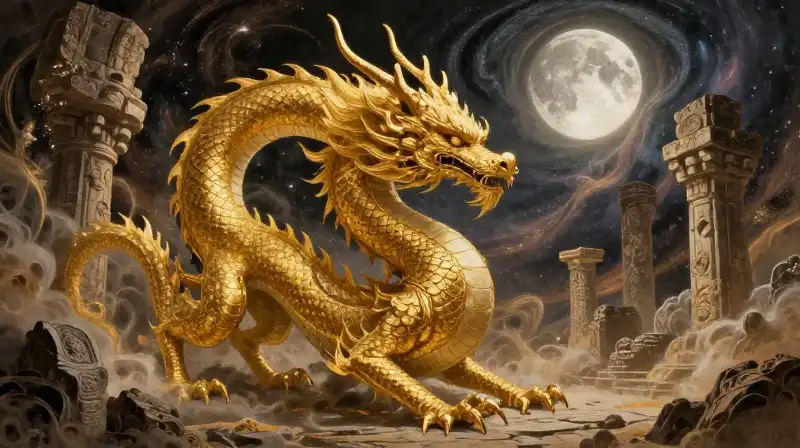
The scope of these figures demands recognition of duality, where the divine and the monstrous, the creative and the destructive, exist side-by-side. These forces are often personified through titanic figures like Typhon and Echidna, who represent the inherent threats and monstrous aspects of the natural world—the “untamed” elements that perpetually challenge human stability (Source 2).
Yet, within this duality reside the figures of profound human impact. Prometheus, who gifted fire to humanity, exemplifies the capacity for benevolent creation and sacrifice. Conversely, Tartarus represents the ultimate realm of eternal punishment, defining the boundaries of cosmic justice (Source 1, Source 3). This contrast between the giver of vital knowledge and the realm of ultimate suffering provides a rich landscape for the cultural examination of human limits and potential.
Humanity’s Place: Ingenuity, Struggle, and Wandering
While the gods set the stage, the heroes represent the human experience itself—a life marked by immense physical struggle, profound wandering, and the persistent quest to survive. Figures like Odysseus and Achilles transcend the battlefield; they embody journeys that reflect the challenges of the human condition, grappling with both personal destiny and the vast unknown (Source 1, Source 2). Their stories focus on the sheer grit and resilience required to traverse a difficult world.
Another key element of human significance is ingenuity. The tales of Daedalus and Theseus are cultural landmarks emphasizing human invention and the ability to master an environment, even when facing overwhelming odds. These figures demonstrate the cultural belief in the power of intellectual labor and skill to overcome seemingly insurmountable obstacles (Source 1, Source 2).
The Spectrum of Divine Wisdom: Strategy and Counsel
The mythological tradition is not solely defined by massive power or brute force; it holds a deeply rooted value for strategic wisdom. Athena, for example, is the strategic goddess of wisdom and skill. She represents the pinnacle of intellectual and tactical prowess, emphasizing that the greatest strength lies not in physical might but in discerning strategy and counsel (Source 1). This focus on reasoned wisdom contrasts with the raw, often volatile, nature of other divine entities.
Culturally, the tradition suggests that a rich heritage lies in honoring those figures often overlooked in popular narratives. Figures like Tiresias or the chaotic spirit of Eris are studied and valued because they introduce necessary complexity to the divine narrative, forcing a deeper consideration of moral ambiguities (Source 2).
The Multifaceted Divine Feminine
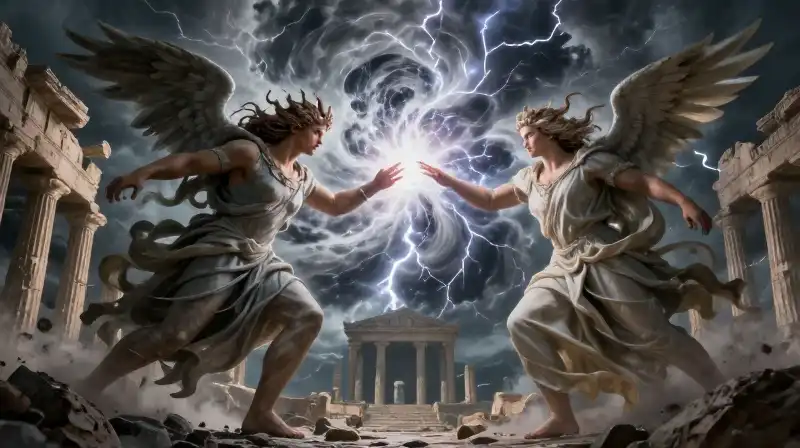
The roles assigned to powerful female figures are often far more complex than simple archetypes. They embody transformation, sorrow, and profound strategic power. Athena offers her strategic counsel, while figures like Medea and Persephone embody themes of transformation and the weight of tragedy (Source 1, Source 2). Persephone’s journey, for instance, symbolizes the seasonal cycle and the unavoidable sorrow inherent in change, a concept deeply embedded in agrarian and cyclical cultures.
The influence of these powerful women allows the tradition to explore themes of governance, counsel, and the immense cost of personal choices, offering a nuanced counterpoint to the purely patriarchal narratives often associated with the pantheon (Source 1, Source 2).
Decoding the Essential Figures: A Deeper Context
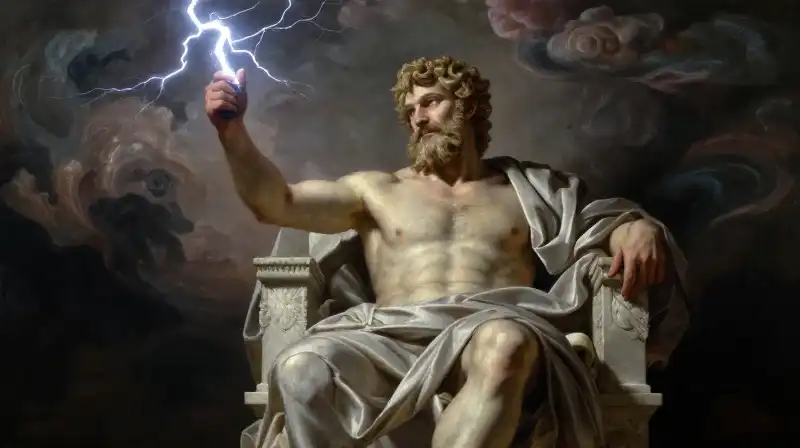
When seeking the “most important” figures, the community recognizes a foundational set of gods who govern the major spheres of human life, reflecting the universal need for order. While Zeus is central, the cultural discourse extends to recognizing the interconnectedness of these powers. The relationship between the Olympians and their Roman counterparts illustrates a deep, ancient cultural exchange and shared understanding of these archetypes (Source 1). The core deities often govern the primary facets of life: creation, counsel, and the underworld. The existence of these parallels shows how robust the originating cultural concepts were, allowing them to flourish across regional boundaries.
Living Tradition: The Endurance of the Narrative
The enduring power of these myths lies in their ability to mirror the universal human condition. Whether it is the struggle against destiny embodied by the Moirai, or the search for wisdom in the face of chaos, these stories provide a shared language for understanding our own mortality and potential. This tradition is not a museum piece; it remains a living wellspring of cultural commentary, continually reinterpreted by modern artists, scholars, and storytellers.
Ultimately, the essential Greek figures provide a mirror. By studying the progression from primordial chaos to ordered civilization, and by examining the nuanced roles of both gods and heroes, one gains a genuine understanding of the cultural anxieties and spiritual yearnings of a people who sought to map the immense, overwhelming forces of the universe into a cohesive, understandable narrative.
Frequently Asked Questions
Who are the top 10 most important Greek gods?
The article does not provide a specific list identifying the top 10 most important Greek gods. It mentions that while Zeus is central, the community recognizes a foundational set of gods who govern the major spheres of human life, such as creation, counsel, and the underworld.
Who is the big 3 in Greek?
The article indicates that while Zeus is central, the community recognizes a foundational set of gods who govern the major spheres of human life. The core deities generally govern the primary facets of life, which are creation, counsel, and the underworld.
Related Articles