The Real Origins of Mythical Creatures: From Fossils to Folklore

Introduction
In the study of human heritage, the boundary between a true biological entity and a purely imaginative creature is often blurred by the power of narrative. For communities around the world, the world is not simply a collection of known species; it is a richly textured story where the landscape and its inhabitants are interpreted through a cultural lens. This perspective moves us from a strictly scientific observation of nature to an understanding of how ancient traditions interpret and shape reality. The field often referred to as cryptozoology sits precisely within this fascinating gap, exploring the creatures known only through local sightings, folklore, and stories, placing it between classical mythology and modern zoology 1.
At its core, the study of mythical beings is not merely an exercise in belief, but an anthropological examination of how human societies create meaning. Some scholarly frameworks suggest that many of these storied creatures may have originated when people interpreted ancient fossils or unfamiliar animal remains 1. This is the premise of this exploration: that the great beasts of legend—the magnificent dragons, the towering cyclopes, or the fierce griffins—may be cultural echoes of natural history, misunderstood across the millennia.
The Roots of the Beasts: Interpreting the Paleontological Record
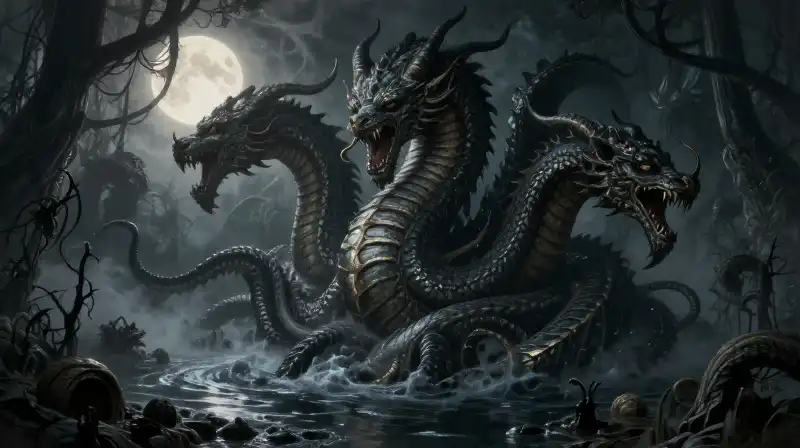
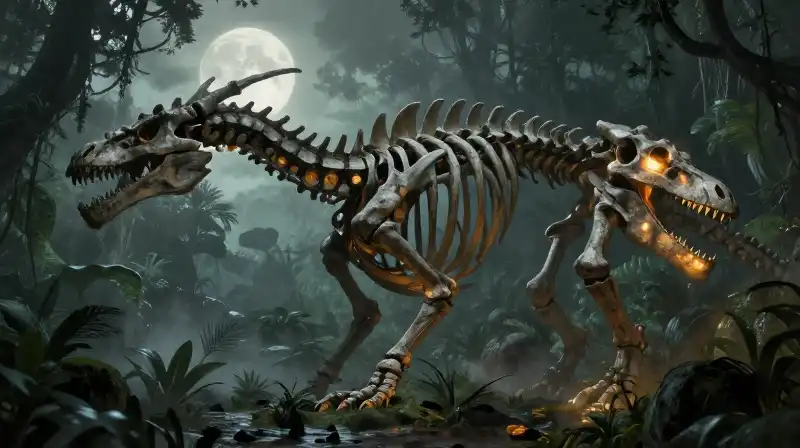
The journey from physical remains to mythical depiction is a powerful example of human cognitive ability to construct narratives from fragments. The transformation of biological entities into legendary figures can be seen across several archetypes. For example, the tales of the griffin—that formidable composite creature possessing the body of a lion and the head of an eagle—have been proposed by some theories to have stemmed from the misidentification of a dinosaur skeleton 1. Similar patterns are observed when communities interpret other skeletal finds. It has been suggested that the stories surrounding the Cyclops might derive from the encounter with massive mammoth skulls 1, while the early, often serpentine depictions of dragons found in art and oral tradition may link to the discovery of large dinosaur fossils 1.
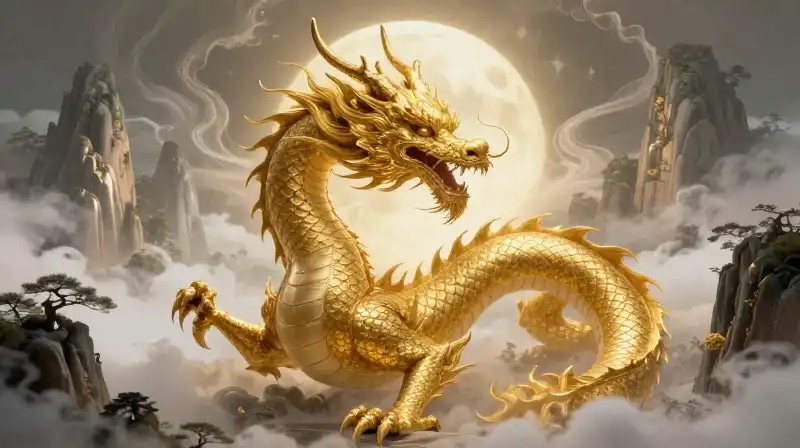
Historically, the first artistic and oral depictions of dragons often resemble large, powerful reptiles like snakes or crocodiles 1. This initial, grounded form suggests that later, more fanciful mythical traits may have been layers added to an ancient tradition. It highlights how cultural narratives don’t appear in a vacuum; they evolve over time based on the prevailing observations and physical evidence available to a community.
From Myth to Biology: The Bridging of Legend and Science
The tradition of cryptozoology is not solely concerned with creatures that have never existed, but also those that exist in a liminal space—those creatures that were once purely mythical but were later identified as known species. The unique example of the Okapi illustrates this perfectly. In certain regions, the creature was once regarded in folklore as a chimera, a fantastical hybrid, until a physical, real specimen was formally discovered 1. This transition shows that the gap between ‘legend’ and ‘reality’ is often simply a matter of biological identification and geographical discovery.
Furthermore, local cultural claims regarding unique biological finds often require careful scrutiny. Reports of specific mythical skulls being found within a community may, upon closer investigation, be recognized as misinterpretations of mammoths or, in other instances, the distinctive shapes of marine animals, such as the noses of certain species like the swordfish 1. This underscores the necessity of respecting local narratives while also understanding the scientific framework used to categorize the natural world.
The Evolution of the Narrative: Misidentification and Digital Influence
The way these stories are maintained and disseminated has changed dramatically, influencing both the persistence of myths and the modern understanding of cryptids. Many creatures were classified as purely mythological because their descriptions were transmitted solely by word of mouth 1. Today, the age of digital information sharing accelerates the spread of both confirmed biological facts and unconfirmed sightings, changing the nature of how folklore persists.
In modern cultural practices, there are also ongoing debates regarding the commercialization of these narratives. For instance, the current tradition of selling “dragon bones” in traditional Chinese medicine stores often involves modern animal remains 1. While the presence of genuine prehistoric bones is sometimes a topic of scholarly discussion, the widespread commercial market often deals with contemporary materials, highlighting the complex relationship between tradition, commerce, and biological reality.
Two Approaches to the Creature: Cryptozoology as Interpretation vs. Confirmation
The academic and cultural approach to these disputed entities is not monolithic. Scholars generally recognize two distinct frameworks for studying the things that exist between myth and zoology. On one side, there is the sociological approach: examining the evolutionary journey of a story—looking at the cultural factors and oral traditions that led to the creation of a specific myth, regardless of immediate biological reality 1.
On the other side, a subset of cryptozoology takes a more rigorously investigative approach. This framework assumes the existence of the creature as a real biological entity and seeks scientific explanations for documented sightings 1. Within this broader discourse, it is important to maintain a clear distinction: traditional mythological creatures are defined as non-existent, while cryptozoological creatures are considered disputed or unconfirmed 1. Understanding this distinction is key to interpreting local heritage respectfully.
The Enduring Value of Cultural Storytelling
The stories of mythical creatures are powerful because they serve as a cultural memory—a way for communities to make sense of an often wild and unknowable world. They are narratives born from the intersection of human observation, natural history, and the creative impulse. Whether a creature is a grand, speculative beast or a misidentified prehistoric skull, its story matters because it reflects the deepest curiosities of the people who tell it. The persistence of these legends does not always require biological proof; sometimes, the tradition itself holds the meaning, serving as a living record of how a community perceived its world before modern science provided definitive answers.
References
Footnotes
Related Articles