10 Mythical Creatures: Regional Origins and Cultural Meanings

Introduction
Myth and creature are inseparable from the geography and spirit of a community. Throughout history, the natural world—whether vast oceans, dense mountains, or ancient forests—was interpreted through the lens of the supernatural. Mythical creatures are not simply curiosities; they are the physical manifestations of cultural narratives, reflecting collective fears, aspirations, and spiritual beliefs. The way a culture interprets an aquatic beast or a soaring bird provides a direct window into its relationship with nature and its understanding of power. > > By tracing the origins and forms of various legendary creatures, we find a rich tapestry of global folklore. From the benevolent dragon of China to the terrifying Kelpie of Scotland, these stories reveal how humanity builds meaning out of the unknown.
The Dragon’s Bifurcated Meanings: Fortune and Fury
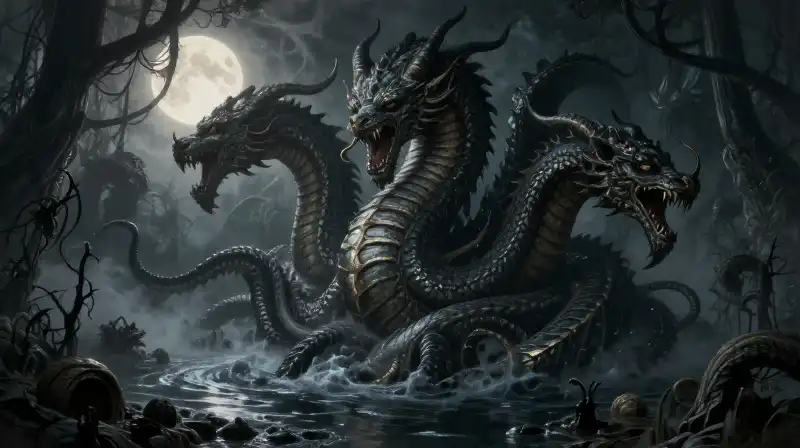
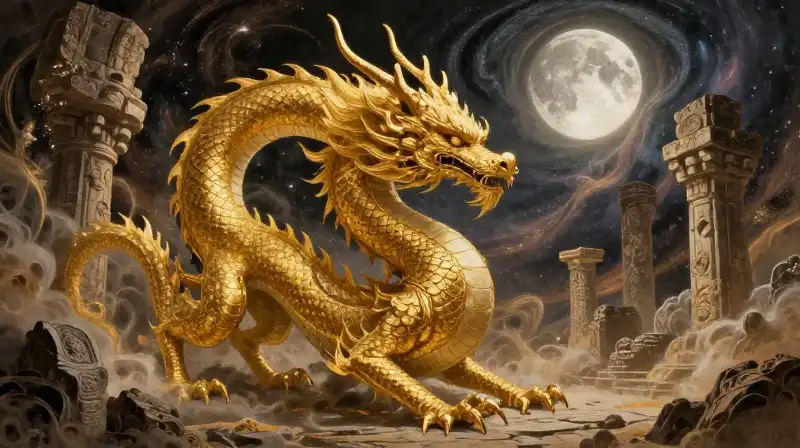
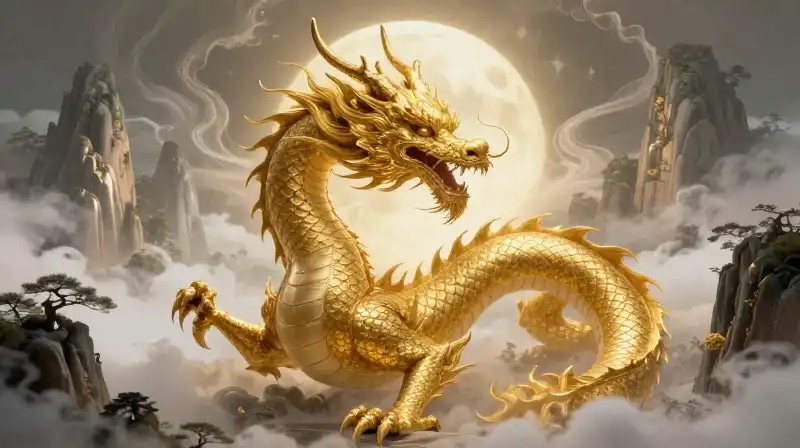
Perhaps few creatures exemplify the cultural relativity of myth as starkly as the Dragon. Across the globe, its symbolism diverges sharply depending on the region. In Eastern traditions, particularly those originating in China, the Dragon is typically a benevolent entity associated with good fortune and auspicious times. This is evident in the celebration of the Dragon dance during the Chinese New Year, where performers manipulate large, flexible puppets to invoke good energy 1. > > In contrast, European folklore frequently portrays the dragon as an embodiment of malevolence—a fearsome beast that guards hoards of treasure. This regional divergence demonstrates how the same primal imagery can be transformed into symbols of immense cultural power or cautionary tales of greed, depending on the local needs and ethics of the community 1.
Guardians of Life and Death in the East
> East Asian folklore is rich with aquatic and elemental spirits that interact with humans and the environment. The Japanese Kappa, for example, is a mischievous and dangerous creature that shares the water-attraction motif with the Scottish Kelpie. However, the Kappa has a unique vulnerability: it possesses hollow indentations on its head filled with water. If this water is spilled, the creature loses its supernatural power, providing a subtle lesson in balance and control within its folklore 1. > > Similarly, the formidable Yeti of the Himalayas is a figure referenced by the Sherpa people of Nepal. Rather than serving as a monster to be hunted, the Yeti often functions as a cautionary tale, a protective legend designed to keep children from venturing too far into the dangerous and vast wilderness 1.
Global Symbols of Power, Purity, and Renewal
> Beyond the dangers of the wild, many creatures symbolize profound human ideals—peace, protection, and rebirth. The Unicorn, for instance, embodies these qualities in many contexts. While sometimes viewed as a figure of peace and benevolence, its cultural significance also extended to practical medicinal lore; its horn was believed to possess protective properties that could safeguard against ailments like poisoning 1. In Christian traditions, the Unicorn was historically deployed as a powerful symbol representing Christ himself 1. > > Complementary to the Unicorn’s purity is the Phoenix. Rooted in both ancient Egyptian and Classical antiquity, this legendary bird represents immortality. It is not merely a symbol of eternal life, but also of cyclical renewal, possessing the remarkable ability to be reborn from its own ashes, alongside perceived healing powers 1. These creatures serve as powerful reminders of hope and spiritual resilience within their respective cultures.
Environmental Spirits and Coastal Fears
> Water is a central element in many mythological traditions, and creatures of the sea often reflect human fears about the unknown depths. The Kraken, native to Scandinavian lore, is the archetype of the massive, unpredictable sea monster. It is commonly envisioned as a colossal squid capable of dragging ships down into the abyss, a tale perhaps inspired by the real, gargantuan size of cephalopods 1. > > In Latin America, the Chupacabra presents a modern, more visceral fear: a blood-drinking entity that targets livestock. This creature’s perceived form has mutated dramatically over reports, ranging from descriptions resembling kangaroos to those resembling hairless dogs 1. These accounts show how modern anxiety and regional environmental pressures can give rise to new forms of folklore.
The Hazards of the Wilderness and River Banks
> Some creatures serve as “living warnings” within local communities, embodying the primal dangers of the natural world. The Scottish Kelpie, an aquatic spirit of British legend, is one of these figures. It typically takes the form of a beautiful horse to deliberately lure victims into rivers and streams, embodying the insidious nature of sudden, environmental death 1. > > South African mythology presents a different kind of danger with the Grootslang, a legendary serpent. This creature is believed by some members of the community to be ancient and possess the power to guard treasures, perhaps drawing inspiration from the region’s large, powerful pythons 1.
Beyond the Familiar: Mermaids and Global Variations
> The “Mermaid” itself is a term used broadly, but mythological merfolk demonstrate remarkable variation when examining different regions. Merrows of Ireland are famously described with long green hair, a detail that roots the creature firmly in specific local imagery 1. These variations in description allow a reader to appreciate how myth adapts to local landscape, color palette, and even social narratives, transforming a general oceanic myth into a specific piece of cultural heritage 1.
Living Tradition: Why These Legends Matter
> The enduring power of these mythical creatures lies in their capacity to contextualize human experience. From the cautious vigilance inspired by the Yeti to the moral lessons encoded in the Kappa, these stories are active parts of a community’s identity. They provide narrative frameworks for understanding the unpredictable forces of nature, the virtues required for a prosperous life, and the dangers lurking outside the safe bounds of home. > > By studying the Dragon, the Phoenix, and the Grootslang together, we see that mythology is not a collection of old stories—it is a living, regional language used to explain the complexity of the world to the people who live within it.
References
Footnotes
Related Articles