Ancient Mythical Monsters: Iconic Creatures of World Folklore

Introduction
The creatures that populate the farthest corners of the ancient imagination—from the winged beasts of the Mediterranean to the spiritual spirits of East Asia—are far more than simple figures of horror. In the context of living culture, mythical monsters serve a vital, complex purpose: they function as allegories, cautionary tales, and living maps of human belief, moral frameworks, and the raw forces of nature. By studying these figures, we gain profound insight into how societies understood chaos, divine law, and the precarious balance between civilization and the untamed wild. A mythical monster is not merely a definition in an encyclopedia; it is a cultural touchstone, a narrative device used to explore the deepest anxieties and virtues of a community.
Monsters as Agents of Cosmic Order and Justice
Many of the most fearsome mythological beings are not forces of mindless destruction, but highly specific agents of divine justice or cosmic duty. Their existence often defines the boundary of what is acceptable within a cultural framework. In Greek mythology, the Harpies, for instance, were not simply winged predators; they served a punitive role, acting as agents of justice who transported those who violated the established laws of the land to face the judgment of the Furies (1, 2). Similarly, the Sphinx in Egyptian tradition embodies the requirement for intellectual order, acting as a treacherous guardian whose riddle demands that passers-by prove their wisdom or face the consequence of death (2, 1). This function of judgment is mirrored in the fierce transformation seen in East Asian folklore. The Oni, for example, are figures who have committed heinous acts but transform into demons specifically to violently enforce punishment upon others who embody similar evil 3. These creatures represent a cultural commitment to moral accountability—even when enforced by a monstrous, terrifying hand.
The Embodiment of Chaos and Primal Fear
Where monsters serve as agents of law, other figures embody the uncontrollable forces of nature, human madness, or primal origins. These creatures often stem from the concept of chaos itself. The foundational figures of Typhon and Echidna in Greek lore represent the progenitor of a defined lineage of ancient monstrous threats, embodying raw, untamed chaos 3. The Chimera, a creature combining the body of a lion, the neck of a goat, and the tail of a snake 3, perfectly encapsulates this mixture of conflicting, unmanageable forces. On a human level, the myth of the Lamia offers a particularly tragic exploration of chaos. She transformed into a child-devouring figure, driven by madness and envy after her children were taken by Hera 3. This narrative illustrates how internal despair can warp a community’s understanding of beauty and nurture, transforming a figure into a terrifying manifestation of grief.
Regional Variations: Spirit, Guardian, and Traversal
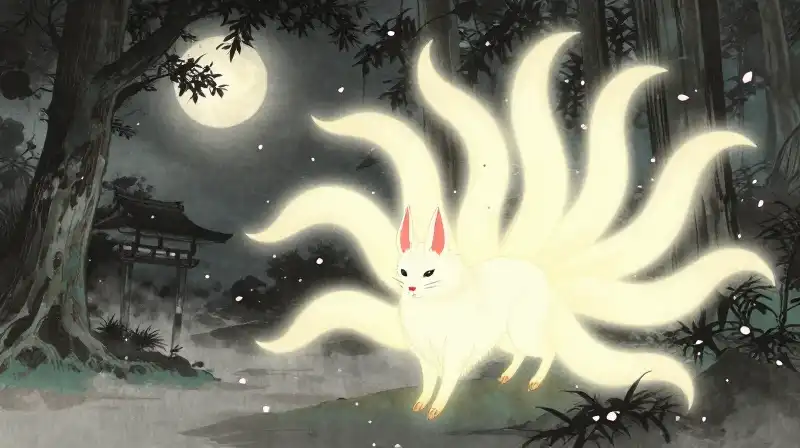
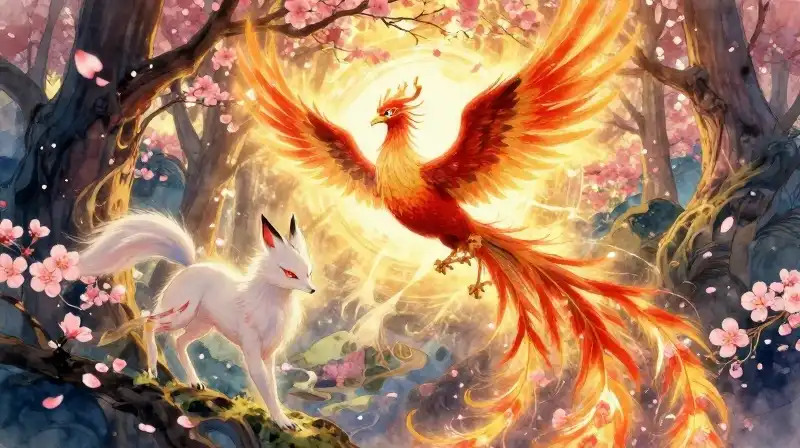
The concept of the mythical monster varies dramatically across cultures, adapting to local environmental concerns, spiritual beliefs, and cosmological maps. For instance, in Mesoamerican folklore, the bat spirit Camazotz is understood primarily as a servant to the lords of the underworld 3, tying the creature directly to the sacred geography of death and the underworld. In East Asia, spiritual power is often expressed not through pure demonic evil, but through powerful, hybridized entities. Fox spirits like the Kitsune, Kumiho, and Huli jing are recognized as powerful spiritual entities, akin to Western “Fairies” 3, whose power is often tied to cleverness, enchantment, and transformation rather than brute force. Chinese mythology offers yet another complex example in Sun Wukong, a warrior-magician characterized by his ability to assume the form of a powerful monkey that hatched from a stone egg 3, showing the blend of divine power and mischievous physicality. Even creatures often classified as simply “monsters” can be figures of reverence. The Norse figure Sleipnir, with his eight legs, is recognized not solely as a terrifying beast, but as a figure revered for his unique ability to traverse all realms—land, sea, and air 3. Meanwhile, entities like Khepri in Ancient Egyptian tradition are revered for their symbolic significance, representing the sun’s movement, such as the beetle that pushes the sun across the sky 3.
Thematic Interpretations: Allure, Power, and Transmutation
Across disparate traditions, the most potent mythical creatures often leverage human vulnerabilities. The Siren legend, for example, demonstrates how allure and seductive song are utilized in Greek myths to lure sailors into the abyss and drown them (2, 1). The lure here is not just physical death, but the seductive danger of abandoning the path of reason. Transformation is perhaps the most significant theme among these creatures. Whether it is the Gorgon Medusa, who possesses the terrifying ability to turn individuals to stone simply by making eye contact (1, 2), or the various shapeshifting entities of Japanese and Chinese lore, the power of change defines the monster. These powers often necessitate the creature’s isolation or unique status, highlighting the fears and fascination humans have with the boundaries of the physical and spiritual self.
Navigating Mythological Nuance and Interpretation
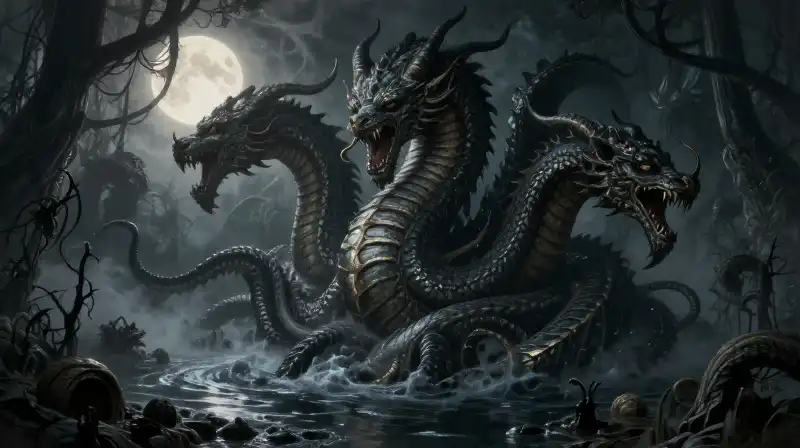
When researching ancient mythical creatures, it is essential to approach the material with an awareness of regional uncertainty and narrative debate. For instance, some accounts describing certain Greek monsters suggest variation, with some descriptions of Typhon mentioning the possibility of possessing a hundred dragon heads 3. This variability is a hallmark of folklore, where a figure is often reshaped by the storyteller, the locale, and the passage of time. When attempting to understand a monster, one must look past its attributes (like possessing fangs or wings) and focus on its *function* within its culture. Is it a test (the Sphinx)? A warning (the Oni)? A carrier of law (the Harpies)? This shift from physical description to cultural role allows the reader to move beyond a simple definition and begin to understand the living culture the creature represents.
The Endurance of Folklore
The enduring presence of ancient mythical monsters in our collective imagination is not merely due to their frightening appearance, but because they address universal human concerns. They provide powerful narrative frameworks for discussing ethics, fate, the dangers of unchecked desire, and the eternal struggle between order and chaos. By exploring the lineage of these figures, from the devastating power of Typhon to the nuanced wisdom of the Sphinx, we find that these stories are not relics of a distant past. They remain vital cultural texts, continuing to offer guidance, warning, and inspiration to communities seeking to understand the deep currents that define human experience.
References
Footnotes
Related Articles