
What is an Ofrenda? Symbolism, Meaning, and Traditions of Día de Muertos

Introduction
The concept of the *ofrenda*, or home altar, is far more than a simple decoration; it is a meticulously constructed spiritual bridge. Within the domestic setting, this offering serves as a profound invitation, a temporary dwelling where the souls of departed loved ones are welcomed back into the lives of their families during the annual *Día de Muertos*. To approach an *ofrenda* is to engage not merely with a tradition, but with a living philosophy that asserts the enduring connection between life, death, and community. It is a powerful expression of remembrance, built upon centuries of history and the deep belief that the dead remain an integral part of the family’s story.
A Tapestry of Belief: The Origins of the Offering
The roots of the *ofrenda* tradition are a reflection of Mexico’s complex cultural landscape. Scholarly perspectives recognize that the tradition is a synthesis—a blending of ancient indigenous beliefs and later Christian influences 1. Historically, Aztec culture held a view of the afterlife where souls were not eternally absent but continued to move through different realms and visit the living world. This cyclical, continuous nature of the soul merged with Christian concepts regarding the soul’s eternal spirit, creating a rich, layered observance 1. The *ofrenda* became the physical manifestation of this unique philosophical duality, transforming sorrow into a vibrant celebration of life lived and memories held.
The Architecture of a Homecoming
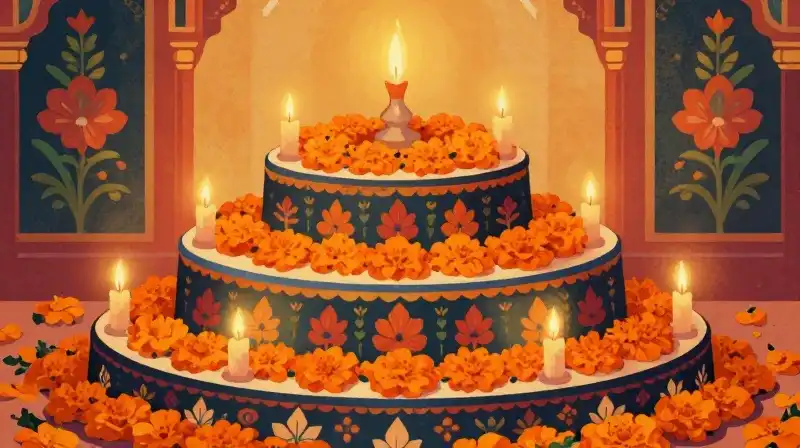
The design of an *ofrenda* is highly symbolic, serving as a map for the spirit’s journey. Traditionally, these altars are structured with three primary levels (1, 2). This vertical arrangement is often interpreted through a cosmological lens, representing the transitions between the three primary realms: the heavens, the earth, and the underworld (1, 2). The entire structure is further activated by incorporating the four fundamental elements, ensuring the environment is hospitable for the returning spirits (1, 2):
- Fire: Represented by candles, providing light and warmth.
- Air: Represented by lightweight *papel picado*, the intricately cut paper banners.
- Earth: Symbolized by the solid food items placed on the altar.
- Water: Offered in a vessel, signifying the nourishment needed to quench the spirit’s thirst (1, 2).
Guiding the Spirit: The Sensory Elements
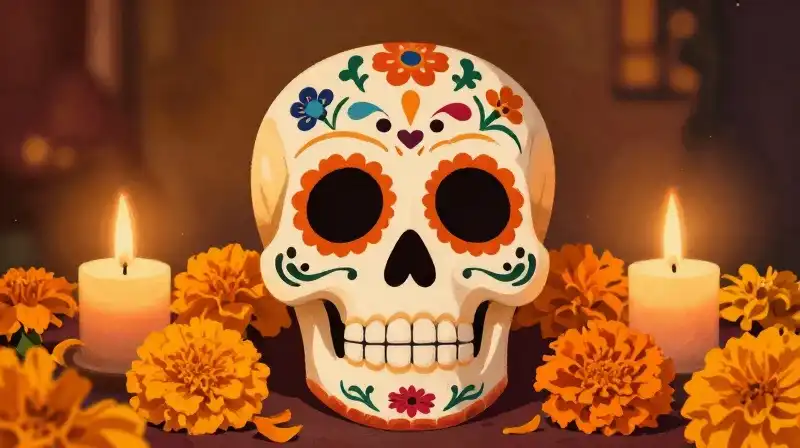
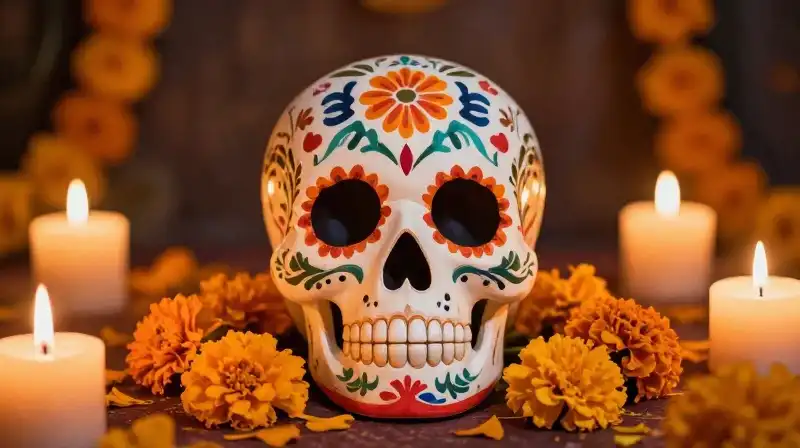
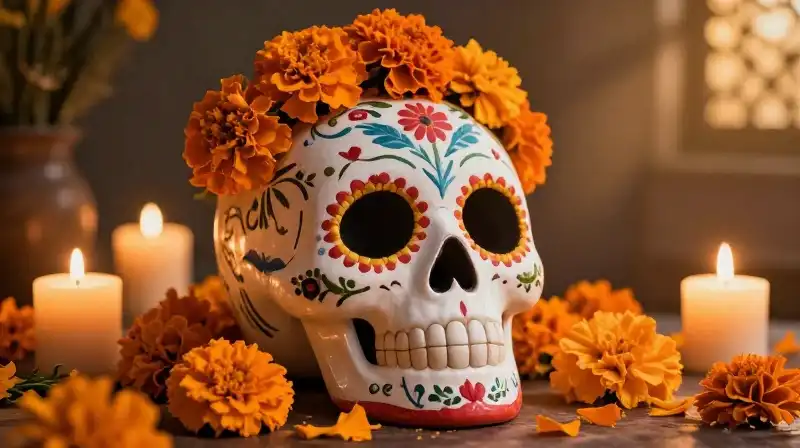
The *ofrenda* is intentionally constructed to engage all the senses, making the welcoming process both precise and emotional. Two elements are critically important in this guidance: *cempasúchil* and *copal*. The *cempasúchil*, or “Flor de Muerto,” is a fragrant flower, usually in shades of vibrant orange and yellow. Its potent scent and vivid color are not merely decorative; they are believed to serve as a pathway, guiding the dead to the specific location of the offering (1, 2). Similarly, the aromatic smoke from Copal incense is used within the offering (1, 2). This smoke serves the dual purpose of purifying the environment, allowing spirits to enter the home without risk, while simultaneously performing the ritual duty of warding off negative energies or evil spirits. ## Layers of Intimacy: What is Placed on the Altar? The strategic placement of items on the *ofrenda* tells the story of the deceased and the relationship the living had with them. While specific local traditions vary, there is a common hierarchy to the offerings (1, 2):
- The Top Tier: This highest level is typically reserved for the identification of the deceased, featuring photographs and symbolic representation of their place in the family.
- The Middle Tier: This tier is dedicated to physical comfort and earthly pleasures. It holds the favorite foods of the loved one, *pan dulce*, and often includes a washbasin for the spirit to cleanse itself (1, 2).
- The Base: This lowest level grounds the spiritual journey, holding the foundational offerings that signify life and nourishment.
## Regional Expressions: A Mosaic of Local Heritage While the core elements of the *ofrenda* remain consistent, the tradition is vibrantly expressed through regional variations that showcase the unique heritage of specific communities 1. The artistry and local flavor of the *ofrenda* often reflect the surrounding landscape and history:
- Oaxaca: Altars in this state are frequently distinguished by the inclusion of colorful *alebrijes*—vivid, intricate paper mache decorations—bringing a burst of folkloric energy to the spiritual space 1.
- Veracruz: Given its coastal setting, altars in Veracruz often incorporate seashells and fish into the offerings, emphasizing the enduring importance of the sea to the local community and its people 1.
- Puebla: Culinary traditions are deeply embedded in the ritual; on altars in Puebla, one might commonly find elements such as traditional *mole poblano*, turning the offering into a gastronomic tribute 1.
The Evolution of Symbols: From Social Commentary to Global Icon
Alongside the ritual objects, the iconography of *Día de Muertos* has evolved. A figure like *La Catrina* exemplifies this transformation. Originally conceived as a skeletal figure intended as sharp social commentary on the vanity and excesses of the wealthy 1, La Catrina has transcended its roots to become a prominent, globally recognized symbolic element of the Day of the Dead imagery. She represents the universal level of death that awaits all, regardless of social standing, further cementing the tradition’s philosophical depth 1.
Beyond the Ritual: Understanding the Living Practice
For those seeking to understand the *ofrenda*, it is crucial to view it through the lens of community and connection. It is not a morbid display of mourning, but an act of profound love and cultural continuity. The *ofrenda* asks the living to acknowledge the full circle of life, honoring the memory of those who shaped the family history. It is a powerful statement that while bodies may cease to function, the spirit, the memory, and the bond between community and ancestor remain deeply alive. This tradition, therefore, continues to serve as a rich educational source for those who wish to genuinely understand the human capacity for remembrance and the intricate, beautiful way different cultures negotiate the boundaries of life and death.
References
Footnotes
Related Articles