Día de los Muertos: Meaning, Traditions, and Cultural History

Introduction
The Day of the Dead, or *Día de los Muertos*, is not primarily a holiday of sorrow, but rather an annual invitation to remember those who have passed. Generally observed on November 1 and 2, this festive tradition is a profound cultural experience where the boundary between the living and the deceased is gently lifted, allowing spirits to return for a day of joyful reunion [1, 2]. It is a celebration that views death not as a terminus, but as an integral, recurring chapter in the cycle of life, shared through vibrant colors, flavorful feasts, and communal storytelling. For those unfamiliar with the tradition, the holiday can appear visually overwhelming, filled with skeletons, bright colors, and intense communal gatherings. However, the essence of *Día de los Muertos* is rooted in a respectful acknowledgment that our loved ones remain part of our community, even in memory. It is a time for connection—to pay respects, to share stories, and to celebrate the enduring bond between families across generations.
The Heart of the Home: Building the Altar
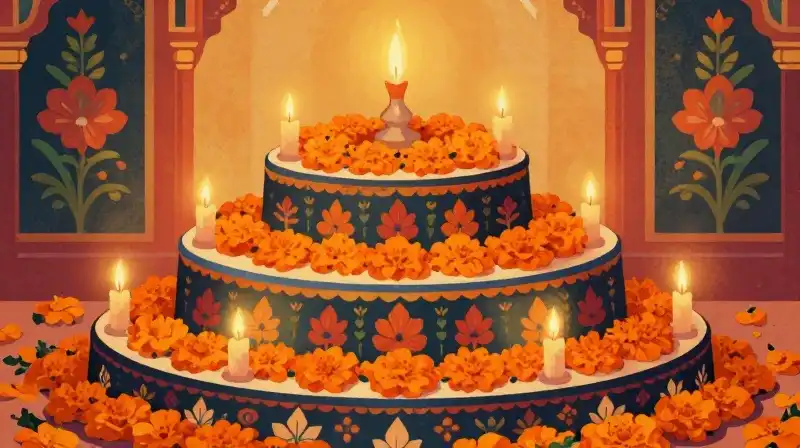
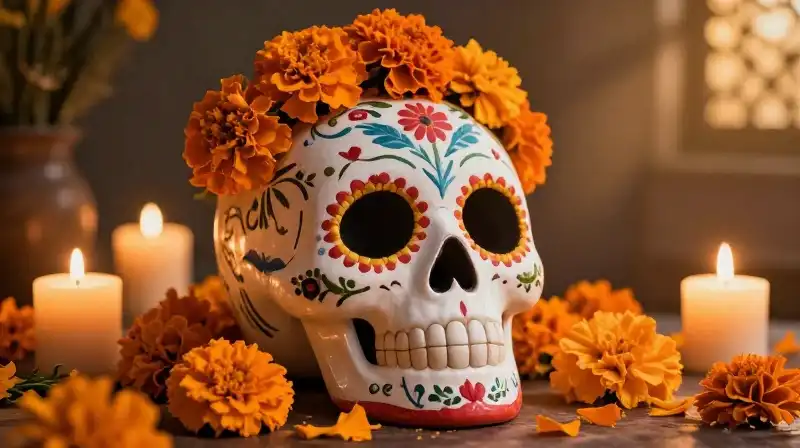
Central to the entire observance is the creation of the *ofrenda*, or home altar. This is far more than a decorative display; it is a highly intentional and elaborate conduit designed specifically to welcome the spirits of departed friends and family back to the world of the living [1, 3, 2]. The meticulous construction of an *ofrenda* serves as a guide and a beacon, ensuring that the souls of the departed know where to find their way. These altars are beautifully layered with symbolic elements. They feature marigold flowers (known for their bright color and strong scent), which traditionally mark the path for the visiting spirits. They are furnished with the deceased’s favorite foods and beverages, allowing the spirits to enjoy a familiar taste of home. Crucially, the altar also includes personal mementos and photographs, turning the space into a personalized memorial where the memory of the individual remains palpable [1, 3, 2]. The tradition thus shifts the focus from mourning in isolation to a communal, joyous act of remembrance.
Whimsy and Symbolism: The Role of Skeletons
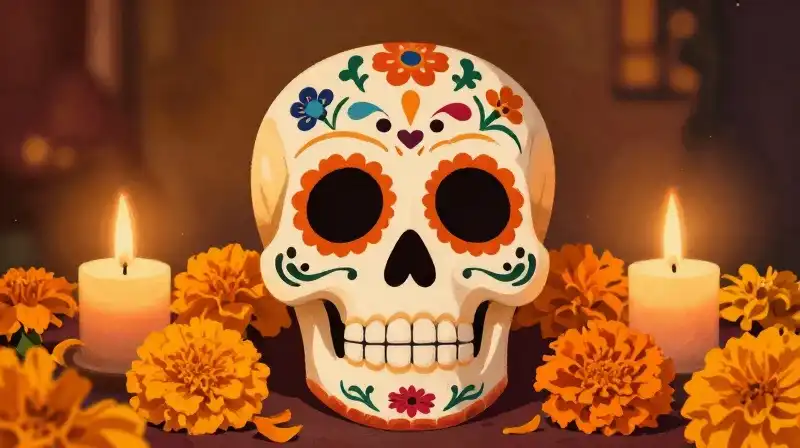
The playful imagery often seen during *Día de los Muertos*—the use of skeletons in life-size and miniature form—often confuses outsiders. Yet, these skeletal figures, such as the popular *Calaveras*, are not meant to be macabre or frightening. Instead, they serve as a potent, symbolic reminder that death is simply an inescapable and often amusing part of the life cycle [2]. By depicting skeletons performing whimsical, everyday activities, the tradition accomplishes a profound philosophical shift. It reminds celebrants that even in death, life continues, often in a far more lighthearted manner than we might expect. This spirit of “the laughter that comes after life” permeates the observances, which include feasting and singing—even sharing the act of death with humor [1, 2].
Cultural Threads and Contested History
The rich tapestry of *Día de los Muertos* is complex, weaving together indigenous beliefs and external influences. Scholarly discussions regarding its origins are layered and sometimes divided. Some theories suggest the tradition evolved from ancient Indigenous Mesoamerican spiritual beliefs, where the connection to ancestors was vital, later merging with Spanish Catholic customs like Allhallowtide [1, 2]. Conversely, some historians point to similarities between the modern observance and Medieval European customs, specifically noting European altars and the historical presence of skull-shaped sweets [1]. This confluence of cultures has led to fascinating debates within Mexican academic communities. Some scholars argue that the modern, formalized holiday is a result of a 20th-century “Cardenist invention.” In this view, the holiday was deliberately designed to foster Mexican nationalism by emphasizing a specific “Aztec” identity, subtly distancing the observance from the dominant Catholic Church and from prior cultural elements [1].
A Lived Tradition: Practice and Variations
For the celebrants today, *Día de los Muertos* is a living, active practice, not merely a static observance. The tradition encompasses various acts of communal reverence and personal connection: * **Cemetery Visits:** Visiting cemeteries to clean tombstones and hold large family gatherings is a crucial element. These visits are communal, allowing families to interact with the place of rest and maintain their relationship with their ancestors [3, 2]. * **Gifts and Joy:** The tradition is not solely about paying tribute; it is also a time for celebration. Celebrants often enjoy giving gifts to their living friends, including traditional items like *pan de muerto* (bread of the dead) and candy sugar skulls [1]. * **Literature and Memory:** The festivities are often accompanied by light-hearted literary verse, further cementing the tradition of sharing stories and memories [1].
Differentiating Death from Mourning: What the Day of the Dead Is Not
To genuinely understand *Día de los Muertos*, it is helpful to look at what the tradition deliberately moves away from. It is not simply a solemn day of mourning or sadness. Rather, it is a vibrant, joyous affirmation of memory. By welcoming the spirits with open arms—through food, scent, and beauty—the community transforms the concept of death from a scary, finality into a welcoming, remembered part of the family line. This approach encourages a holistic view of life, celebrating the entire journey from birth to final memory.
Synthesis: The Intangible Heritage of Remembrance
The international recognition of *Día de los Muertos* by UNESCO as an Intangible Cultural Heritage of Humanity underscores its profound global significance. Ultimately, the holiday is a living bridge. It is a beautiful, meticulously crafted ritual that encourages a culture of remembrance, demonstrating a deep, enduring belief that as long as we continue to share stories and create *ofrendas*, the connection to those we have lost remains vibrant and essential to our collective community.
References
Footnotes
Frequently Asked Questions
What is the meaning of Dios de los muertos?
Día de los Muertos is an annual celebration that serves as an invitation to remember those who have passed, viewing death not as a terminus but as an integral chapter in the cycle of life. It is fundamentally a vibrant, joyous affirmation of memory and a time for connection that celebrates the enduring bond between families and their ancestors.
What does "dos muertos" mean?
The provided article does not define or mention the term dos muertos.
How to Build a Day of the Dead Ofrenda
Construct the Base
Create the ofrenda (home altar), which serves as an intentional conduit designed to welcome the spirits of departed friends and family.
Mark the Path
Layer the altar with marigold flowers, traditionally used to mark the path for the visiting spirits.
Offer Sustenance
Furnish the altar with the deceased’s favorite foods and beverages, allowing the spirits to enjoy familiar tastes.
Personalize the Memorial
Include personal mementos and photographs to turn the space into a personalized memorial where the memory of the individual remains palpable.
Related Articles