
Lunar New Year Customs: A Guide to Traditions and Symbolism

Introduction
The Lunar New Year, or the Spring Festival, is far more than a date on a calendar; it is a profound collective ritual marking the transition from the old year to the new. For communities of Chinese heritage globally, this period is a pivotal moment dedicated to sweeping away the lingering misfortunes of the past to fully embrace the prosperity and good fortune of the future (1, 2). It is a time when the spiritual, the domestic, and the communal converge, emphasizing not just celebration, but the fundamental themes of family unity, ancestral respect, and the hopeful rebirth of the community.
Purification and the Symbolic Beginning
Before the joyous festivities can fully commence, the preparation involves a powerful process of symbolic cleansing. Deep cleaning the home is an essential custom, intended to physically manifest the removal of any stagnant energy or bad luck held over from the previous year (1, 2). This act of thorough purification is foundational to the tradition. Once the house is clean, the focus shifts entirely to welcoming positive energy. To support this, the color red takes on cultural dominance. It is not merely a popular choice; red is inherently auspicious, symbolizing vibrancy, life, prosperity, and a powerful ward against evil spirits 1.
The Heart of the Celebration: Family and Ancestors
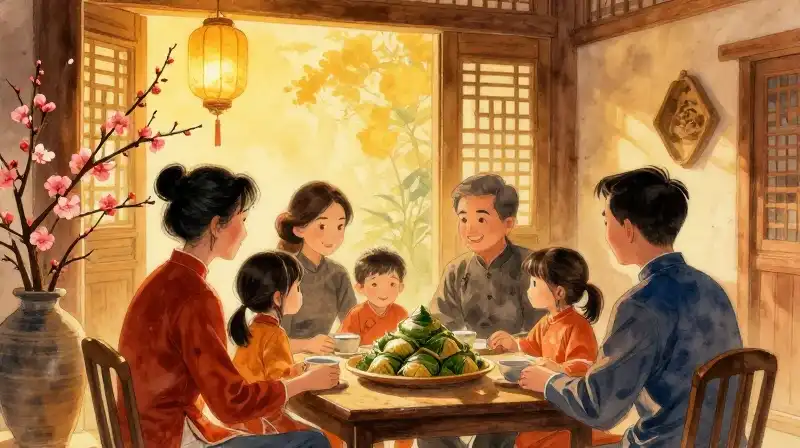
At the core of the Lunar New Year experience is the concept of family unity. This is most visible through the elaborate reunion dinners held on New Year’s Eve. These gatherings see large, multi-generational families seated around round tables, emphasizing their interconnectedness (1, 2). This celebration of blood and bond is inseparable from the deep-rooted tradition of honoring ancestors. Many families visit graves prior to the New Year and include specific acts of reverence at the dinner, such as offering sacrifices and extra wine to honor those who came before them 1.
The Language of Luck and Good Fortune
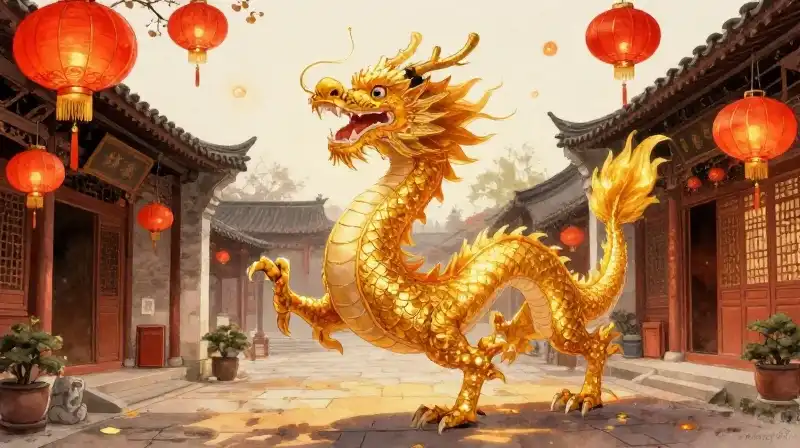
The flow of good fortune is physically represented by the exchange of *lìshì*, or red envelopes filled with money. These gifts are traditionally given to children and seniors, serving as a way to bestow blessings and wish the recipients prosperity for the year ahead (1, 2). The entire atmosphere is frequently amplified by dynamic public performances, such as the lion and dragon dances. These highly energetic displays are performed throughout the community to actively invite and manifest prosperity and good luck (1, 2). The customs also encompass a specific cultural lexicon; sharing the phrase *gongxi facai*—which translates to happiness and prosperity—is a way to formally and linguistically spread goodwill 1.
Navigating the Nuances: Taboos and Superstitions
While the festival is a celebration, it is equally defined by a set of specific customs and counterintuitive taboos that guide participants in ensuring a favorable start to the year 1. It is crucial to understand that certain actions, meant to clear the way for new luck, can accidentally negate incoming fortune. For instance, traditions strongly advise against sweeping or washing clothes on New Year’s Day. While these are standard household chores, doing them is believed to metaphorically “wash away” the blessings the new year intends to bring 1. Superstitions extend to language and interaction. Certain objects or phrases must be carefully chosen to prevent a “bad” start, such as the phonetic similarity between the word for “book” and the word for “lose” 1. Furthermore, the holistic philosophy of the festival dictates that the overall energy and tone of the holidays will set the stage for the upcoming year. This necessitates the avoidance of anger, conflict, or heavy arguing, ensuring that the community begins the year in a state of harmony 1.
The Lantern Festival and Conclusion
The period of celebration does not simply end; it reaches its climax on the 15th day of the lunar year with the Lantern Festival. This event signals the formal conclusion of the main celebrations, shifting the focus toward light and final good fortune 1. The entire sequence—from the thorough purification of the home to the joyful culmination in lanterns—is a rich, living testament to the belief that by carefully managing energy and honoring tradition, a community can successfully transition from the shadows of the past to the bright promise of the future.
References
Footnotes
Frequently Asked Questions
What are some customs for the Lunar New Year?
Customary traditions include deep cleaning the home for purification, hosting elaborate reunion dinners, and exchanging lìshì, or red envelopes, to bestow blessings. Other customs involve honoring ancestors by visiting graves, performing dynamic lion and dragon dances, and avoiding conflict or sweeping on New Years Day.
How to Observe Lunar New Year Traditions
Purify the Home
Deep clean the house to symbolically remove stagnant energy or bad luck from the previous year.
Embrace Auspicious Colors
Increase the use of the color red in decorations, as it symbolizes vibrancy, life, prosperity, and protection.
Honor Ancestors and Family
Gather for reunion dinners, often while visiting graves and offering sacrifices and wine to ancestors.
Exchange Red Envelopes
Give *lìshì*, or red envelopes filled with money, primarily to children and seniors to bestow blessings.
Invite Good Fortune
Participate in or observe dynamic community performances, such as lion and dragon dances, to manifest prosperity.
Avoid Common Taboos
Refrain from sweeping or washing clothes on New Year's Day, as these actions are believed to 'wash away' new blessings.
Maintain Harmony
Ensure the holiday atmosphere remains positive by avoiding anger, conflict, or heavy arguing throughout the period.
Related Articles