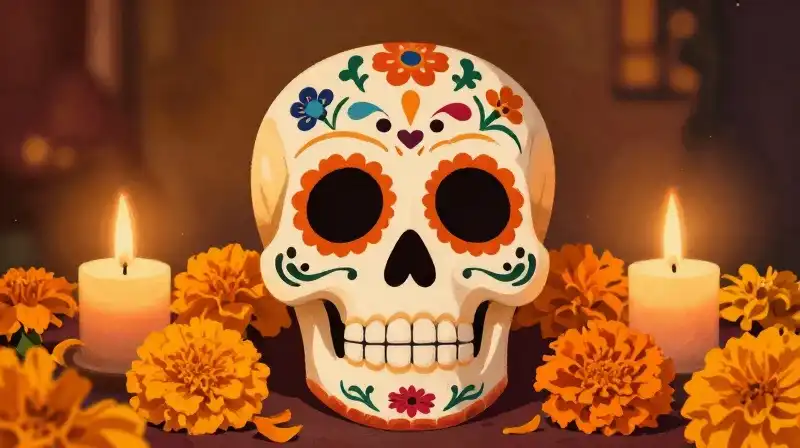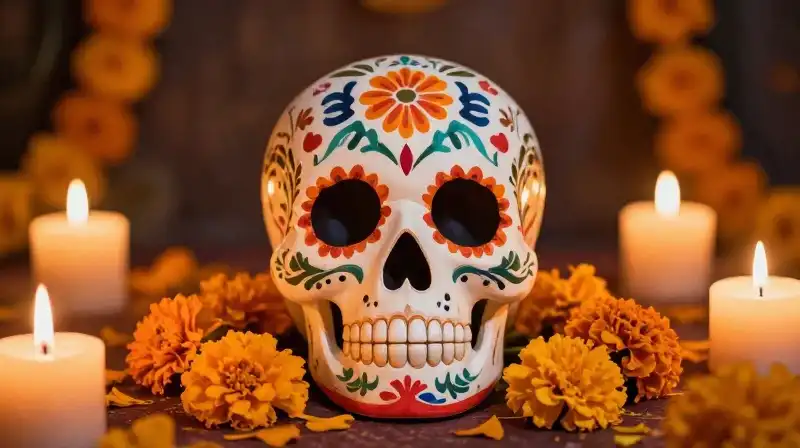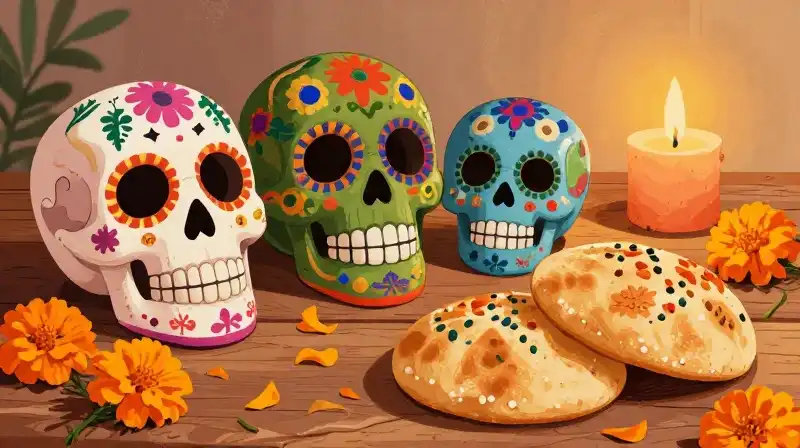

Dia de los Muertos Door Decor: Traditional Elements & Ideas

Introduction
The visual language of tradition often reveals a community’s relationship with time and memory. In the cultural sphere of Día de los Muertos, this relationship is one of enduring welcome, not fear. Far from being a morbid display, the practice of decorating homes and public spaces becomes a vibrant, communal assertion that those who have passed remain integrated into the living tapestry of the community. Visible elements, particularly those placed on bulletin boards or doors, serve as temporary, customizable altars—a tangible invitation for ancestors to return and be acknowledged. These decorative spaces draw profound inspiration from the traditional *ofrenda*, transforming a simple threshold or a wall into a narrative focus for remembrance 1.
The Threshold of Memory: Functional Art and Commemoration
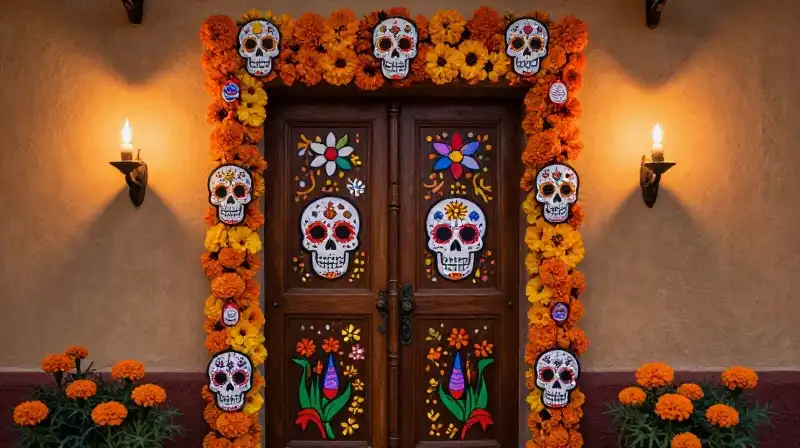
When people speak of Dia de los Muertos door decorations, they are referring to a highly symbolic and deeply meaningful public expression of remembrance. These installations function as customized tributes, extending the intimacy of the *ofrenda* (a private offering space) into the communal sphere 1. By adorning a doorway, a community or family is not merely displaying art; they are creating a physical portal or acknowledgment of presence. The decorations become a customizable medium through which diverse personalities can be honored, ranging from cherished family members to significant historical figures 1. This shift from private offering to public display emphasizes the cultural belief in the continuity between the living and the departed.
The Language of Symbolic Elements
The aesthetic of these celebrations is governed by specific elements that carry deep symbolic weight. Each item is chosen for its ability to guide, commemorate, or honor the spirit of the deceased:
- Marigolds: Large, vibrant floral elements, particularly marigolds, are foundational to the aesthetic. They are traditionally used to signal the arrival of the spirits and contribute to the overall vibrancy of the commemoration 1.
- Papel Picado: This intricate art of cut paper—featuring detailed headings and decorations—is a traditional design feature. Its movement and color represent the ephemeral nature of life and the celebration itself 1.
- The Ofrenda Components: Elements like candles, vases, and carefully chosen cut paper elements are often repurposed into door displays, reinforcing the narrative that the space is prepared for an honored visit 1.
Community Participation and the Act of Tributes
The tradition of decoration is fundamentally a participatory one. These displays are not static monuments; they are living, evolving spaces. A key aspect of this engagement involves community activities designed to engage the public in the act of tribute. For example, illustrating butterflies is a common tradition, used specifically as symbolic tributes dedicated to family, friends, or even beloved pets 1. The focus is on personalization and narrative—the decoration is a canvas for storytelling. By involving the community in the creation and presentation of these displays, the tradition reinforces the collective responsibility of remembering and honoring those who have passed.
From Doorway Decor to Living Practice: Addressing Contemporary Expressions
While the traditional form of the door or public altar is rooted in sacred belief, modern interpretations often utilize bulletin boards and school art projects, merging traditional motifs with accessible DIY methods. This allows the core elements of the tradition—the marigolds, the candles, the *papel picado*—to be adapted into educational or community outreach formats 1. When people seek Dia de los Muertos door decorations, they are looking for a way to bring the rich symbolism of the *ofrenda* into a visible, accessible form for celebration or teaching. These displays function as customizable commemorations, allowing individuals to select the elements that resonate most with the memory they wish to honor.
A Note on Cultural Context
It is important to distinguish the intent of Dia de los Muertos decor from generic seasonal or Halloween decorations. While generic door decor may focus on the macabre or the spooky, the practice of Día de los Muertos is centered on the concepts of welcome, gratitude, and the continuity of life. Every element, whether cut paper or painted flowers, serves the purpose of acknowledging a profound connection between the living and the spiritual world 1.
The Living Significance of the Tradition
The act of creating these decorated spaces is a deeply human endeavor. It is a tangible way for communities to process grief, maintain cultural heritage, and affirm the essential truth that memory sustains life. These displays are not relics of the past but active affirmations of a living belief system. They serve as visible, ephemeral altars—temporary intersections where community, art, and remembrance meet, allowing the culture to continue its dialogue with those it holds dear.
References
Footnotes
Frequently Asked Questions
What do people hang in their doorways during Halloween?
The article discusses decorations for Día de los Muertos but does not provide any information regarding what people hang in their doorways during Halloween.
Related Articles