Lycurgus vs. Dionysus: The Clash of Order and Divine Madness

Introduction
In the vast landscape of classical mythology, few conflicts encapsulate the eternal tension between structured civilization and the chaotic force of nature quite as dramatically as the struggle between Lycurgus and Dionysus. This is not merely a story of a mortal king challenging a god; it is a powerful, deeply rooted cultural narrative concerning the boundaries of order and the necessary, often disruptive, nature of divine madness. Lycurgus, often depicted as the rigid upholder of social codes, finds himself in direct opposition to Dionysus, the unpredictable god of wine, frenzy, and fertility. Examining this myth reveals how ancient communities understood the precarious balance between a well-regulated society and the primal, generative power of the wild.
The Seed of Conflict: Order vs. Impiety
The friction between the two figures originates in the initial offense: Lycurgus’ alleged contempt for the burgeoning divinity of Dionysus. Lycurgus, traditionally identified as the son of Dryas and the sovereign of the Edonians in Thrace, is portrayed in early accounts as an impious figure. According to various traditions, including those preserved by Homer, Lycurgus committed a grievous act of disrespect by attacking the infant Dionysus and his nurses using an ox-goad (1, 2, 3). This act serves as a potent symbolic representation of rigid human order attempting to assert control or dismiss the raw, untamed energy of the divine.
This encounter established a fundamental cultural dynamic: Lycurgus represents the established, governed state—the adherence to strict laws—while Dionysus embodies the uncontrollable wildness that thrives outside those boundaries. The conflict is therefore rooted in the tension between what humanity dictates as proper and what the divine dictates as necessary chaos.
The Evolution of Vengeance: From Divine Intervention to Divine Fury
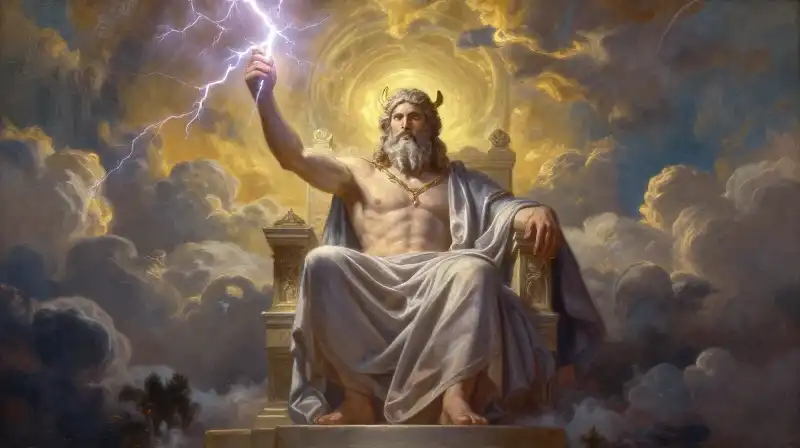
What makes the Lycurgus narrative so culturally complex is its evolving nature across different historical periods, which reveals how societies processed the concept of divine retribution. In the earliest mythological accounts, the punishment for Lycurgus is attributed to Zeus himself. The king is struck blind for his impiety, a powerful manifestation of cosmic order correcting a societal transgression (1, 2, 3).
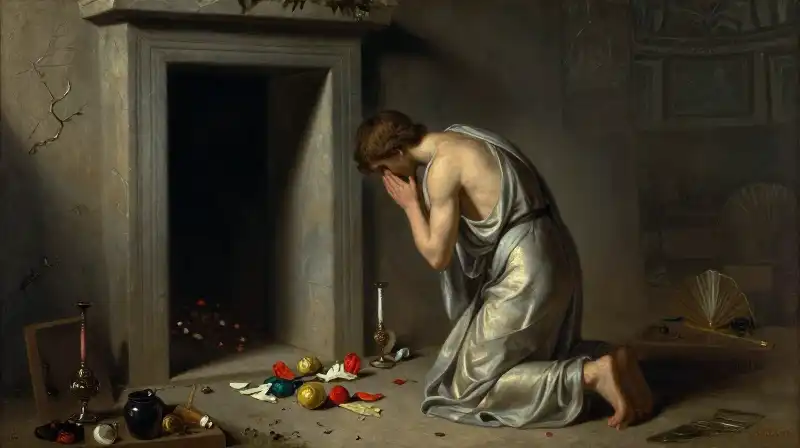
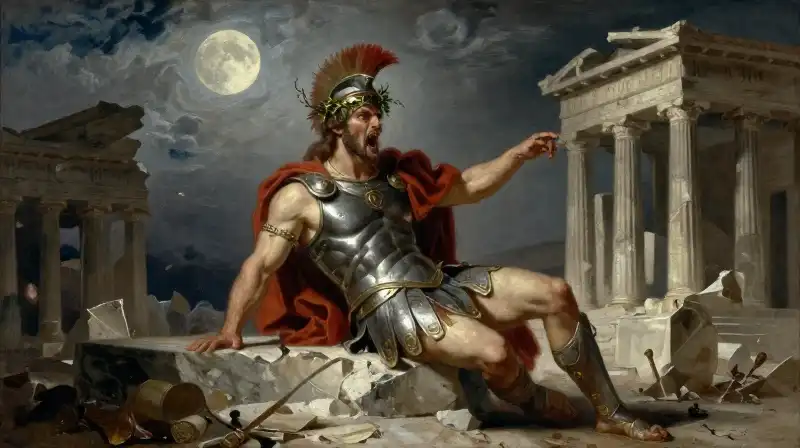
However, later mythographers, most notably Pseudo-Apollodorus, shifted the agency of the retribution. In these evolved narratives, the vengeance is not merely a sentence but a deliberate, multi-faceted campaign executed by Dionysus himself 1. In this more complex version of the myth, Dionysus first drives Lycurgus into a state of homicidal madness. The resulting tragedy is intensely personal and communal: Lycurgus, in his state of delirium, mistakenly kills his own son, Dryas, believing he was merely pruning a grape vine (1, 2, 3). This progression from an external punitive force (Zeus) to an internal, psychological dismantling by the god (Dionysus) reflects a cultural shift toward a more nuanced understanding of uncontrollable, internal divine power.
The Edonian Mandate: Fertility and Communal Will
The consequences of Lycurgus’ fall extend beyond his personal fate; they carry a profound communal weight tied directly to the land. The Edonians’ reaction to Lycurgus’ perceived death is particularly telling about the cultural priorities of the community (1, 3). The Edonian oracle declared that Lycurgus’ demise was not merely punishment, but a necessary act to restore fertility to a land that had become barren.
This element links the celestial conflict to the earthly needs of the agricultural community. The king’s removal, through whatever tragic means, facilitates a spiritual renewal of the earth. This suggests that, within the Edonian belief system, the disruptive force—even the deadly force—was understood as a prerequisite for life and growth, paralleling the unpredictable, fertile nature of Dionysus himself. This focus on communal outcome over individual guilt is a key aspect of the tradition’s deep cultural grounding.
The Variety of Punishment: A Symbol of Diverse Traditions
The physical manifestation of Lycurgus’ defeat varies dramatically across the available traditions, highlighting the diverse ways different cultures chose to embody the finality of the clash. These differing descriptions provide insight into varying cultural tolerances for retribution. Some sources maintain that he was struck blind, while others detail more violent ends: being bound and torn apart by his own horses on Mount Pangaeum, or being suffocated by the transformed vines of a nurse (1, 2).
One highly elaborated and symbolically dense tradition involves the nurse, Ambrosia. After the king attacked her, she captures Lycurgus in the tendrils of the very vines that represent Dionysus’ power. This final, elaborate punishment powerfully mirrors the imagery of the grape vine he mistook for an ornamental plant during his madness, turning his initial offense into his ultimate destruction 1. Despite his momentary victory in challenging the mighty Dionysus, Lycurgus ultimately learns that his rebellion leads only to a steep and inevitable price 1.
Addressing the Clash: Why Did Lycurgus Resent Dionysus?
The fundamental question of why Lycurgus clashed with Dionysus is rooted in a conflict between cultural boundaries and divine transcendence. Lycurgus, as the representative of societal order, perceived Dionysian energy—which is inherently anarchic, uncontrollable, and outside human law—as a threat to the established hierarchy (1, 2, 3). He attacked the god’s vulnerable form (the young child) in an act that simultaneously asserted his own power and dismissed the deity. His “hatred” or opposition was less personal animosity and more a cultural defense of the boundaries that civilization imposes upon the wilderness. In essence, Lycurgus attempted to govern a divine force that, by definition, resists governance.
Beyond Thrace: Regional Echoes and Performance
While the geographical narrative most frequently anchors the story in Thrace, scholarly examination reveals deeper, more complex connections that stretch the myth’s reach. Epigraphic evidence suggests that the conflict may have been tied to an Arabian deity worshipped in Syria, indicating a potential spread or parallel development of this narrative motif across vast geographical regions 1. Furthermore, the cultural significance of this conflict is immortalized not just in oral tradition, but in high art. A lost tragedy, *The Edonians*, by Aeschylus, dramatized this very clash. This literary work demonstrates the importance of the Lycurgus-Dionysus struggle as a vital theme within Athenian performance, proving its relevance to the artistic and philosophical life of the ancient Greeks 1.
Synthesis: The Enduring Tension of Culture
The story of Lycurgus and Dionysus transcends its function as a mere mythological account; it serves as a continuous cultural examination of the cost of order. The myth cautions that rigidly defined societal rules (represented by Lycurgus) may be insufficient to contain the boundless, regenerative, and often chaotic energies of nature and life (Dionysus). It suggests that true cultural flourishing often requires acknowledging, rather than aggressively suppressing, the primal forces that seek to expand beyond the established fences of civilization. Lycurgus ultimately demonstrates that even the strongest adherence to order is vulnerable to the unpredictable, necessary madness of the world.
References
Footnotes
Frequently Asked Questions
Why did Lycurgus hate Dionysus?
Lycurgus, as the representative of societal order, perceived Dionysian energy as inherently anarchic, uncontrollable, and a threat to the established hierarchy. His opposition was rooted in a cultural defense of the boundaries that civilization imposes upon the wilderness, stemming from his contempt for the divine.
Related Articles