Humanoid Creatures: A Guide to Mythical Shapeshifters and Spirits

Introduction
The existence of creatures that bridge the gap between humanity and the spiritual realm is a constant in the global imagination. Far from being mere monsters designed for entertainment, humanoid mythical beings represent a sophisticated form of cultural commentary. Across diverse communities—from the Siberian tundra to the Mesoamerican valleys—these figures serve crucial narrative roles: they act as guardians, spiritual guides, warnings against hubris, and even embodiments of nature’s transformative power. To study humanoid creatures is not merely to catalog fantasy races; it is to understand how people negotiate the invisible forces of their world. These entities, often capable of shapeshifting or inhabiting a liminal space between the physical and metaphysical, reflect a deep-seated belief that the world is populated by forces beyond human control. They are not just “mythic humanoids”; they are active participants in the spiritual landscape of their respective traditions.
Spiritual Intermediaries and Guides
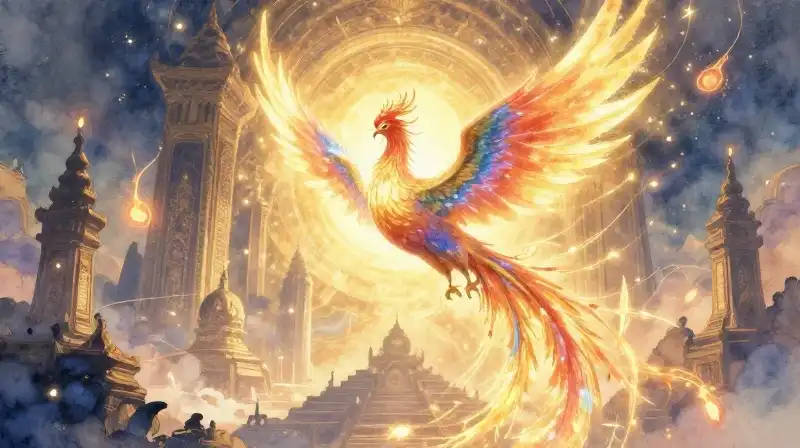
One of the most profound functions of shapeshifting entities is their role as spiritual messengers. These figures act as vital links, bridging the human world and the realms of the dead or the divine. For instance, in Lakota traditions, the Heyoka are not merely powerful individuals but chosen medicine men who possess supernatural abilities. These spiritual guides move between worlds, serving as intermediaries who facilitate communication between the community and the spiritual plane 1. Similarly, the concept of a spiritual guide or moral compass is often embodied by figures like the Paskunji, a fiery bird analogue. This being can shift into human form, possessing feathers that carry healing power, thereby merging the physical and the spiritual to offer guidance 1. These guardians are also often tied to specific locales. The Adgilis Deda, described in one native tradition, functions as the “mother of place” guardian spirit. Another example is the Mesingw, a hairy dwarf spirit dedicated to protecting the forests (2, 3). In these instances, the creature’s form is inseparable from its location and its function of preserving communal harmony with the natural world.
Agents of Warning and Destiny
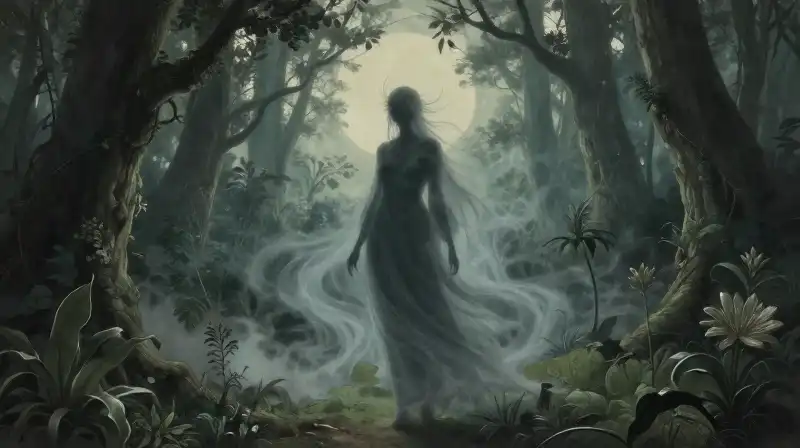
Humanoid figures are equally represented as embodiments of existential threat or critical societal transitions. These are the entities that force communities to define their boundaries and understand their vulnerabilities. In the Siouan tradition, the spirits of the dead, known as Wanaģi/Wanuŋchi, are typically understood as shadowy, non-corporeal figures 1. These entities serve as powerful reminders of mortality and the spiritual persistence of those who came before. Conversely, certain creatures embody more specific, tangible dangers to individuals. In the Pacific Northwest, regional folklore features figures like Asin, an ogre-like monster, which represents a localized threat. In Navajo tradition, the Skin-walker is a powerful example, defined as a witch who is not just a monster, but a type of sorcerer capable of disguising themselves or transforming into various animals 1. Even cosmic events are attributed to these forms. In Aztec mythology, the Tzitzimitl were female demons whose power was so great that their actions—such as attacking the sun during eclipses—were linked directly to grand prophecies about the end of the world 1. This shows how these beings can frame not just local dangers, but global, cyclical forces.
The Mechanics of Transformation: Shapeshifters
Shapeshifting is a central theme in global folklore, reflecting the fluidity of identity and the blurring of boundaries between nature and society. This ability allows mythological creatures to operate as spies, protectors, or tricksters. The Gvelisperi, found in one translation of native folklore, is a serpentine, draconic creature that possesses the ability to transform into a human while serving a divine purpose 1. This illustrates a sacred transformation, where the change is tied to a higher, beneficial will. In contrast, the Gullah Geechee Boo hag embodies a negative transformation, where its power is tied to vampiric feeding, marking it as a vessel of malice 1. This concept also appears in West African mythology, where Mami Wata and Jengu are described as mermaid-like water-dwelling humanoids who embody either beautiful or dangerous forces within the aquatic regions 1. Similarly, the Encantado, a mythical Amazon river dolphin, is believed by local communities to occasionally assume human form 1, blending the wild, powerful natural spirit with human vulnerability.
Regional and Cultural Nuances of the Mythic Humanoid
While the theme of the humanoid is universal, its expression is highly regional, reflecting local fears and environmental realities. * **North American Traditions:** From the dog-like Adlet of Inuit folklore to the two-faced spirit Anung Ite of Lakota traditions 1, the humanoid figures here often relate to the harshness of the land and the necessity of respecting animal intelligence. * **Mesoamerican Mythology:** The Nephilim, though documented in Biblical contexts, represent a distinct form of hybrid giants—the offspring of angels and human women—who are portrayed as wicked and cannibalistic 1. * **Siouan Lore:** The Buffalo People present a unique narrative where figures or witches are instrumental in the creation of humans before undergoing their own transformation into the very buffalo they helped shape 1. Even moral consequences find physical form. The Samdzimari, for example, are spirits that grant luck and prosperity, yet they operate through a seductive nature that inevitably leads to their departure once the family’s secrets are revealed 1. This suggests that in these traditions, the appearance of prosperity is often tethered to a delicate and fragile moral contract.
What Do These Creatures Tell Us About Our Culture?
Ultimately, the widespread presence of “mythic humanoids” serves as a cultural barometer. Whether they are viewed as helpful guides, terrifying witches, or agents of cosmic change, their existence provides a framework for understanding the community’s relationship with the unknown. When a culture invests heavily in figures like the Skin-walker or the Tzitzimitl, it is externalizing its deepest fears about human potential, social boundaries, and the sheer unpredictability of life. These traditions offer a rich, living commentary on what a community values: be it respect for ancestral spirits (Wanaģi/Wanuŋchi), harmony with the forest (Mesingw), or the cyclical nature of destiny (Aztec figures). Understanding these creatures allows us to move past a simple list of fantastical races and grasp a deeper, more nuanced understanding of how heritage is preserved, how morality is taught, and how people collectively map the spiritual boundaries of their world. By looking closely at the function and meaning of these humanoid beings, we gain a genuine window into the profound human traditions that shape our shared global experience.
References
Footnotes
Frequently Asked Questions
What are some mythical human creatures?
The article mentions various mythical human creatures, including the Lakota Heyoka, the Navajo Skin-walker, the Aztec Tzitzimitl, and the Mesingw. These beings function as spiritual guides, agents of existential threat, or shapeshifters across diverse cultural traditions.
Related Articles