Mythical Winged Creatures: Guide to Options for Worldbuilding and Mount Ideas

Introduction
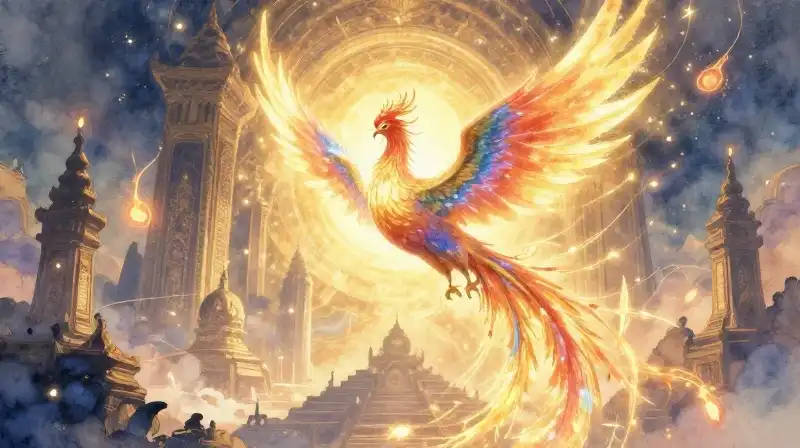
In the vast landscape of global mythology, few motifs are as enduring as the image of flight. Winged creatures—be they equine, avian, or something entirely serpentine—have transcended simple fantasy tropes to become fundamental pillars in human storytelling and cultural tradition. They represent the intersection of the terrestrial and the ethereal, bridging the chasm between the mundane life and the realms of legend. For cultures across the world, these beings serve as symbols of divine power, chaotic forces, or majestic companionship.
The modern practice of exploring these creatures, often within worldbuilding and creative endeavors, requires more than a checklist of characteristics. It demands an understanding of the narrative weight these beings carry. When we explore creatures like the Pegasi or the mighty Roc, we are engaging with thousands of years of human imagination, where every wing and every scale reflects a specific cultural concept—whether it is the grace of a celestial messenger or the untamed majesty of the wild.
The Diverse Archetypes of Flight
Mythological beings rarely fit into a single category. Their forms are deeply rooted in specific regional folk traditions and the symbolic needs of the narrative. These diverse archetypes allow storytellers to represent a wide spectrum of concepts, from divine intervention to raw, prehistoric power.
We can broadly categorize these legendary flyers based on their primary function and cultural perception:
- The Majestic Companions: Creatures such as Pegasi and hippogriffs traditionally appear as noble mounts and symbols of purity or swift transportation. They blend familiar, terrestrial forms (like horses) with divine qualities, making them ideal representations of controlled power and loyalty.
- The Winged Predators and Guardians: Creatures like the Harpy occupy a space of often aggression and untamed nature. Portrayed as roughly human-sized winged beings, they embody powerful, sometimes destructive, elemental forces. These beings serve to challenge the protagonists, demanding respect and skill to overcome.
- The Mythical Combinations: The use of Perytons, which combine the appearance of deer with wings, exemplifies the tradition of blending disparate animal forms. These creatures highlight the fluidity of mythology, where nature is not a fixed thing, but a dynamic merging of existing life forms to create new symbolic meaning.
Inspiration from Prehistoric Power
While many mythical creatures exist purely in legend, the tradition of flying beasts has also been informed by the colossal scale of the natural world. In a context of worldbuilding, many creators look to extinct giants for inspiration, seeking to ground their myths in a sense of geological or evolutionary plausibility.
The Quetzalcoatlus, a massive, extinct flying species, serves as a compelling example. Its immense scale allows it to inspire large, potent flying animals that can exist alongside smaller, more conventional mythical beasts. This approach allows a narrative to explore the sheer magnitude of power in a way that traditional “fantasy” beasts might not. Similarly, Wyverns, drakes, and smaller dragon variants offer a scalable option for creature design, allowing a world to host everything from small, manageable mounts to behemoths of the sky.
The diversity of these inspirations—ranging from the small and quick to the gigantic—demonstrates the flexibility of the tradition to serve any narrative need, from a delicate quest to a struggle against an overwhelming force.
Practical Application and Narrative Weight
For those looking to integrate these creatures into a narrative setting, the transition from pure myth to functional “mount” requires consideration of their cultural essence. A creature’s definition in its original lore often dictates its behavior and suitability for a specific role. For example, the traditional depiction of the Harpy is one of aggression, making it unsuitable for gentle companionship but perfect for a formidable, high-stakes encounter.
The idea of creating domesticated or scaled-down versions of these large mythical beasts is a practical way to make them more plausible in a human setting. This is not merely a logistical choice; it is a narrative statement. The decision to domesticate a powerful beast suggests a mastery over nature, an integration of the divine into the mundane, or perhaps a profound cultural shift in how humanity interacts with the supernatural.
Answering Questions of Folklore
The broad nature of winged creatures inevitably leads to specific questions about their form and identity. The “People Also Ask” regarding specific female winged monsters or those with wings on their head touches upon the many regional variations of this global tradition.
In the traditional understanding of folklore, creatures with unique anatomical features, such as wings on their head, are often localized, highly symbolic entities, frequently serving as guardians or representations of divine messengers. Generally, the mythical female winged monster in various traditions is not merely a generic beast but carries specific symbolic baggage—be it wisdom, temptation, or raw, primal fury.
The Living Narrative of Myth
The enduring relevance of winged mythical creatures lies in their versatility and their ability to reflect human fears, aspirations, and desires. They are not static relics of ancient texts; they are dynamic narrative tools that have evolved with the telling.
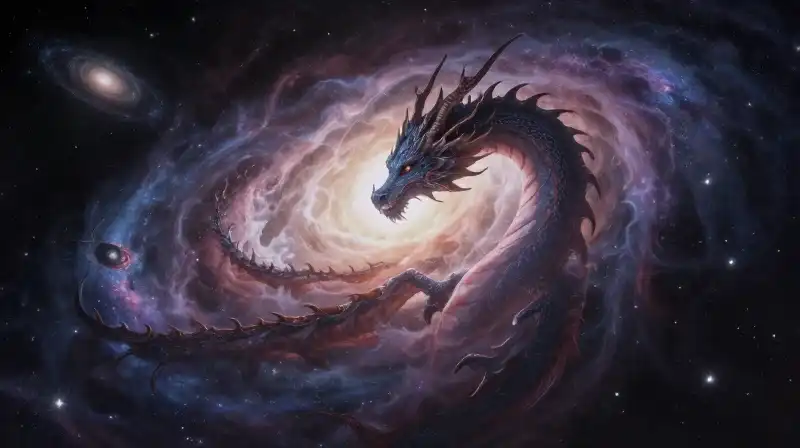
Whether an author chooses a swift and elegant Pegasus to symbolize freedom, or a serpentine dragon to represent the complexity and danger of wealth, the tradition remains a vital source of cultural depth. By understanding the deep roots and regional meanings of these beings, we move beyond simply listing creatures; we begin to understand the living cultural practice of imagining the impossible and using that imagination to mirror the complexities of the human experience.
Frequently Asked Questions
What is a mythical female winged monster?
In traditional folklore, the mythical female winged monster is typically a localized, highly symbolic entity that often serves as a guardian or representation of divine messengers. Generally, such a creature carries specific symbolic baggage, such as wisdom, temptation, or raw, primal fury.
What mythical creature has wings on its head?
The article does not name a specific mythical creature with wings on its head. It states that such beings, often described as localized female winged monsters, are usually highly symbolic entities that serve as guardians or representations of divine messengers.
Related Articles