Mythologys Diverse Beings: From Golems to the Kraken

Introduction
Mythological creatures are far more than just figures from ancient stories; they are living cultural touchstones that mirror the deepest fears, moral codes, and environmental anxieties of the communities that create them. They serve as narrative lenses, allowing different cultures to examine human nature, the mysteries of the natural world, and the limits of existence. Whether appearing as a fearsome beast or a seemingly benign spirit, these beings—from the clay Golem to the colossal Kraken—are the embodiment of cultural understanding. By examining these diverse creations, we gain a window into how different traditions define order, boundaries, and the very meaning of life.
The Embodiment of Moral Limits and Fear
In many traditions, mythical beings function as warnings—a visceral manifestation of moral failures, unchecked desires, or the danger of transgressing social norms. These creatures do not merely exist; they exist to hold mirrors up to human behavior. In the Great Lakes region of North America, the Wendigo serves as a chilling example. This terrifying beast, sometimes depicted as a blend of a man and deer, is often tied to the tragic narrative of a hunter driven mad by extreme hunger and cannibalism 1. Its legend acts as a powerful cultural deterrent against the ultimate survival taboo. Similarly, the concept of the Oni in Japanese culture operates as a representation of profound social transgression. They are not just randomly born, but are depicted as demons who have committed heinous acts (1, 2). This association firmly roots the Oni not in external, cosmic chaos, but in the internal, moral decay of the individual. In Europe, the Werewolf shares a similar narrative depth, where the transformation from human to wolf, often linked to the full moon, speaks to a loss of self-control and a primal, terrifying shift in human identity 1.
Guardians of Threshold and Cosmic Order
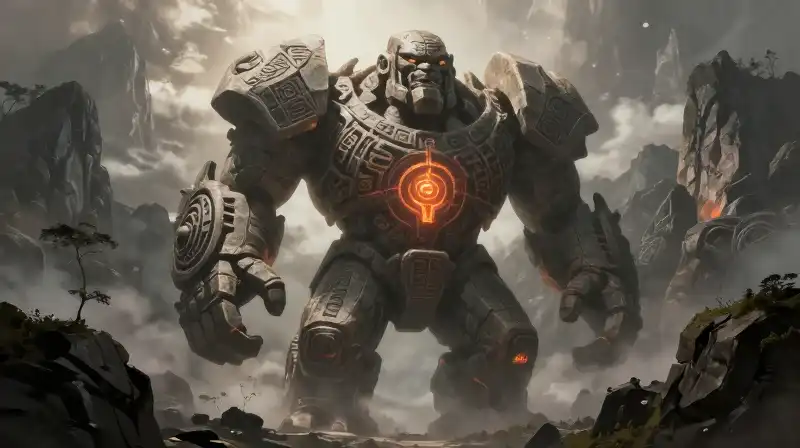
Another key function of mythological beings is to define and protect boundaries. These creatures often serve as gatekeepers, marking the transition between the known world and realms of danger, death, or the unknown. Cerberus, the three-headed hound of Greek mythology, is perhaps the most famous example. As the loyal pet of Hades, he guards the Gates of the Underworld, ensuring no one—living or dead—enters or exits the realm without his observation (1, 2). This creature embodies the finality and complexity of the boundary between life and death. In Judaism, the Golem provides a different kind of boundary. This anthropomorphic being, animated purely from inanimate matter like clay or mud, originates in 16th-century Prague and Rabbi folklore (2, 3). Its narrative involves the creation of life through conscious will and the maintenance of order, reminding the community of the power inherent in words and creation, and the danger of uncontrolled power. Likewise, the Egyptian Sphinx acts as a demanding guardian, not with teeth, but with intellect, requiring travelers to solve a complex riddle before they are allowed to pass.
Fluid Realities: Shapeshifters and Ambiguity
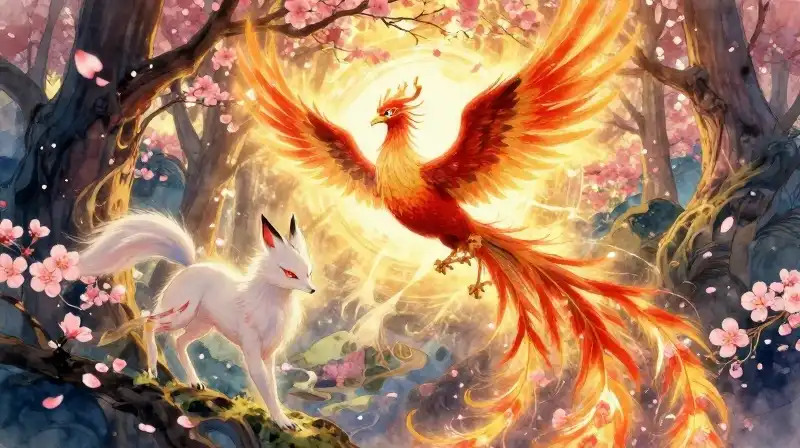
Not all mythical beings are static protectors or monsters. Many traditions feature entities defined by their fluidity, ability to transform, and inherent ambiguity. These shapeshifters often reflect a cultural understanding of interconnectedness and the elusive nature of truth. The Tengu of Japanese lore, for instance, are known as winged mountain and forest *yōkai*. They possess supernatural powers and the ability to shift between human and animal forms 1. Parallel to them are the Kitsune of Japan and the Kumiho of Korea—fox spirits celebrated as fair and clever beings whose deceptive charm and transformative power are deeply embedded in regional folk tales 1. In the broader Arab world and specifically in Saudi Arabia, the Djinn (or Jinn) are understood as spiritual entities composed of smokeless fire. Crucially, they are viewed as possessing free will and the capacity to mimic human or animal forms, complicating the relationship between the physical and spiritual worlds 1.
Regional Lore and the Power of the Wild
Beyond classical or deeply structured belief systems, many mythical beings arise directly from the geography and ecology of specific places. These creatures capture the raw, untamed power of nature, reflecting how a community perceives the wilderness that surrounds them. In the coastal folklore of Norway and Greenland, the Kraken rises as a massive, cephalopod-like sea monster, a symbol of the unpredictable and destructive force of the ocean, known for dragging entire ships into the abyss (1, 2). Similarly, in the vast landscapes of North America, cryptids such as Sasquatch and Bigfoot are deeply entrenched in the regional folklore of national parks, embodying the mystery of the unexplored forest (1, 3). Even highly localized myths reflect these ecological fears. The Jackalope, a horned rabbit in Grand Teton National Park, provides a local cautionary tale: while generally seen as peaceful, this creature can become highly aggressive if startled or cornered, a small narrative that reinforces the rule of caution in the surrounding wild landscape 1.
The Fluid Nature of Myth: Dragons and Transformations
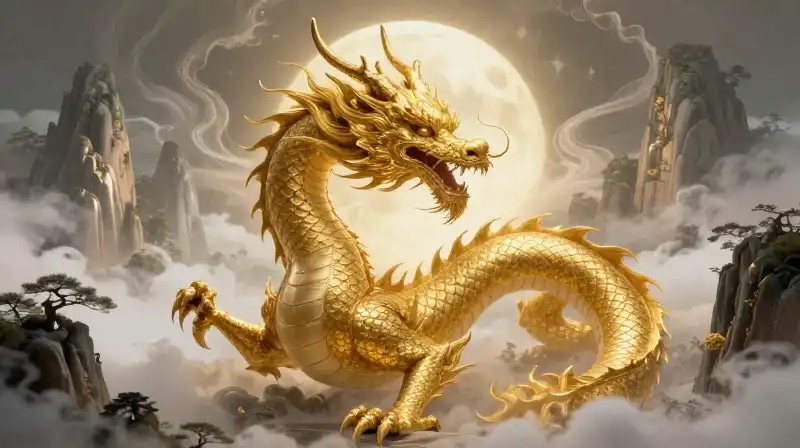
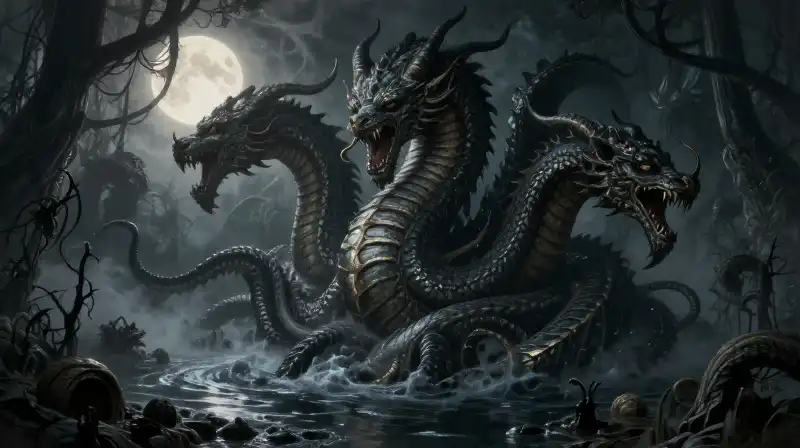
Perhaps the most enduring realization across cultures is that “monster” is a subjective designation. The nature of these beings—and their perceived morality—shifts entirely based on the cultural narrative they inhabit. The Dragon serves as a perfect example of this variation. In the Middle East, the dragon is often perceived as an evil, destructive entity. However, in much of East Asian mythology, the dragon is revered as a beneficent, powerful force associated with water, luck, and cosmic power 1. The Minotaur of Greek mythology, combining the head of a bull with a man’s body, serves as another example of the mythological transformation, symbolizing primal, monstrous instincts trapped within human form (1, 2).
The Living Significance of Mythological Beings
Why do these stories endure and continue to define communities? Mythological creatures provide a shared, often symbolic, language for discussing complex ideas—justice, temptation, and the unknown. They help us understand how communities process their fears: transforming a chaotic natural threat into a defined story, or turning a moral transgression into a tangible, terrifying figure like the Wendigo or the Oni. By honoring these stories, people honor the traditions and the careful observation of the worlds that shaped them, transforming old warnings into living cultural heritage.
References
Footnotes
Frequently Asked Questions
What are some famous monsters in mythology?
Some famous mythological beings discussed in the article include Cerberus, the Kraken, the Golem, the Wendigo, the Oni, the Minotaur, and the Egyptian Sphinx. These creatures range from three-headed hounds and shapeshifters to elemental entities like the Dragon and Djinn.
Related Articles