
Vietnamese Holidays and Traditions: A Deep Dive into Culture

Introduction
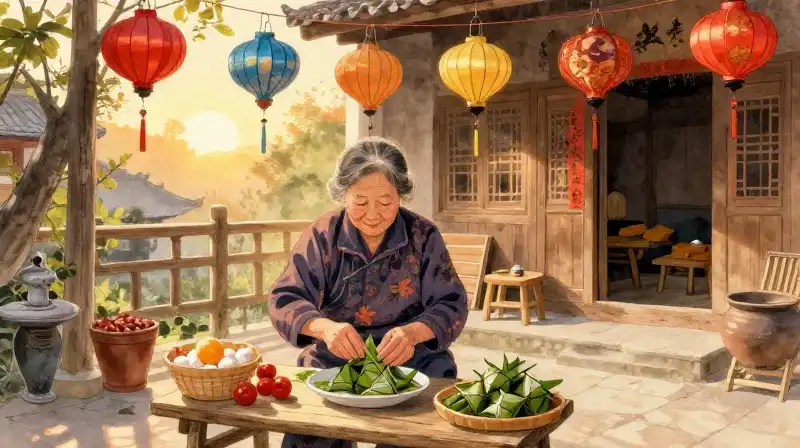
>In Vietnam, the calendar is less a tool for scheduling and more a living record of ancestral obligations, community renewal, and deep cultural identity. Vietnamese holidays and traditions are not merely markers on a Gregorian calendar; they are a profound expression of a collective soul, where the natural cycles of the moon and the enduring presence of the past dictate the rhythm of the present. For those seeking to understand Vietnamese culture, one must look beyond the vibrant parades to the quiet rituals of reunion, the specific symbolism woven into mooncakes, and the spiritual reverence paid to the first kings of the land. These customs, rooted in a profound connection to the land and family, serve as powerful mechanisms for maintaining community cohesion and honoring heritage.
The Pivot of Tết: Reunion and Renewal
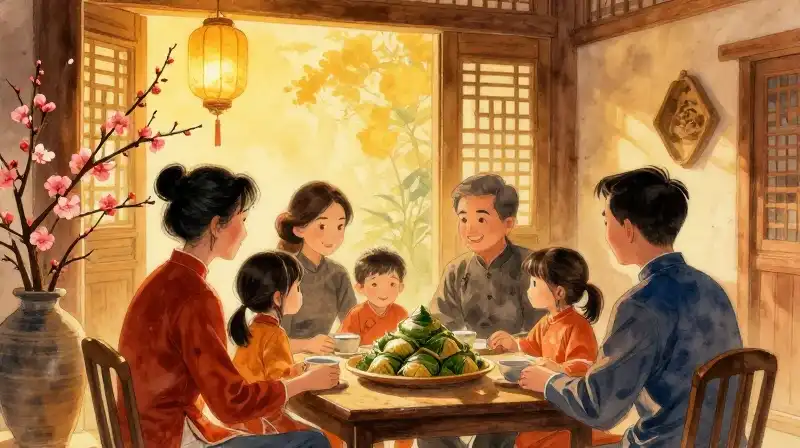
>The observance of Lunar New Year, known locally as Tết, stands as the cultural apex for many Vietnamese families. More than just a holiday, Tết is a deeply ingrained cultural imperative, mandating that families return to their ancestral hometown 1. This journey is a powerful affirmation of kinship and tradition. The entire period is dedicated to clearing old dust and welcoming new beginnings, emphasizing renewal not just of the year, but of the social and spiritual connections within the family unit. It is through the act of reunion that Vietnamese values—respect, continuity, and belonging—are reinforced across generations.
Ancestral Cycles and the Turning of the Seasons
>Vietnamese traditions are often tethered to the spiritual cycles of life and death, ensuring that the past remains an active participant in the present. A pivotal event in this spiritual narrative is the Ghost Festival, also known as Wandering Souls Day. This observance is dictated by the deeply held belief that ancestral spirits temporarily return to the earthly homes of their descendants. In response, families perform specific, deliberate rituals involving prayer, the offering of fruits and flowers, and the symbolic burning of effigies and clothes—objects meant to accompany the departed on their journey 1. This act serves as a tangible bridge between the living and the dead, acknowledging that the spiritual lineage is continuous.
The Moon and Harvest: Regional Celebrations
>The lush and diverse geography of Vietnam has led to a rich tapestry of regional celebrations, each reflecting local ecology and unique cultural practices. Mid-Autumn celebrations, or *Tết Trung Thu*, are a beautiful expression of community joy, particularly focused on children. This festival is characterized by vibrant lion dances, intricate lantern processions, and the ubiquitous sharing of *Banh Trung Thu* (moon cakes). According to sources, these cakes are not merely treats; they are laden with symbolism—salted egg, lotus seeds, and other ingredients represent the celestial cycles of the moon itself (2, 1). >Furthermore, the celebration of the moon’s abundance extends to ancient, agricultural rituals such as *Oóc Om Bóc*, the unique tradition of the Khmer minority in the Mekong Delta. This festival offers a look into the region’s distinct heritage, featuring lively boat races and a communal thanksgiving to the moon god, illustrating how cultural practice adapts to local spiritual needs 1.
Art, Identity, and the Deep Roots of the Delta
>The cultural heart of the country also beats within its regional artistry. The Lim Festival, held in the Red River Delta, serves as a living tribute to local folklore and communal identity. A hallmark of this festival is the *quan họ* tradition, a centuries-old art form where men and women engage in elaborate serenade exchanges, often performed from dragon boats while wearing traditional regalia 1. Similarly, the ancient Hùng Kings Temple Festival in Việt Trì City holds immense historical significance. This event is a pilgrimage where the first king of Vietnam is commemorated. On the eve of the festival, thousands of pilgrims gather to witness the raising of lanterns and celebratory processions, reinforcing the foundational myths of the nation 1.
A Celebration of the Land: Xến Xó Phốn and the Cycle of Life
>To understand the connection between Vietnamese traditions and their environment, one must examine festivals dedicated to ensuring prosperity. The *Xến Xó Phốn* festival among the White Thai people in Mai Châu serves as a prime example. This ritual is a deeply communal endeavor, designed to call for necessary rainfall. The abundance of the subsequent celebration is understood to be directly tied to the anticipated prosperity of the harvest, illustrating a worldview where human celebration and agricultural yield are intrinsically linked 1.
Beyond the Locale: National Identity and Public Life
>While many observances like the Lim Festival and Tết are anchored in the lunar calendar (1, 3), Vietnam also observes major events tied to its modern national narrative. National Day commemorates the proclamation of independence in 1945. This date is marked across the country by nationwide patriotic displays, large-scale street parades, and fireworks, particularly in major urban centers like Hanoi and Ho Chi Minh City (1, 2). Furthermore, the government has formalized specific milestones into national public holidays—notably the commemoration of the Hùng kings and Independence Day—signaling their official recognition of cultural importance to the modern state 1.
Cultural Synthesis and Understanding the Living Practice
>The true “meaning” of Vietnamese cultural traditions lies in their ability to synthesize the ancient with the contemporary. Whether through the spiritual journey of the Ghost Festival or the joyous competition of an Oóc Om Bóc race, these holidays offer the community a structured time to reflect on its past, celebrate its present, and work toward a prosperous future. By observing the cyclical nature of the lunar calendar (1, 3), participating in regional identity expressions like the Lim Festival, and adhering to the customs of reunion during Tết, individuals are not just observing events; they are actively participating in the preservation of a continuous, vibrant, and richly layered cultural inheritance. Understanding these traditions is understanding a people’s relationship with their lineage, their land, and their communal spirit.
References
Footnotes
Perform the Ancestral Ritual for the Ghost Festival
Recognize the Return of Ancestral Spirits
Based on the deeply held belief, acknowledge that ancestral spirits temporarily return to the earthly homes of their descendants.
Perform Prayers
Conduct specific, deliberate rituals involving prayer directed toward the returned ancestral spirits.
Offer Symbolic Sustenance
Place offerings of fruits and flowers at the designated locations within the home.
Send Off the Departed
Engage in the symbolic burning of effigies and clothes, objects intended to accompany the departed on their journey.
Related Articles