
Gaelic Symbolism in Celtic Art: Deciphering Ancient Motifs

Introduction
The visual language of the Celtic peoples is often viewed through a narrow lens of decorative art—a series of intricate knots and spirals. However, to truly understand Gaelic symbolism is to delve into a complex aesthetic and cultural philosophy that values continuity, balance, and abstraction. This art form, found in everything from ancient metalwork to illuminated manuscripts, offers a mirror to a culture that found profound meaning not in imitation of nature, but in the geometry and dynamic energy of abstract forms.
The Roots of Pattern: From Stone to Scroll
The current iconography of Celtic art is not a sudden invention; its aesthetic DNA can be traced back thousands of years. Early artistic antecedents to later Insular styles can be found in Megalithic art, where Neolithic rock drawings established a preference for sweeping circles, spirals, and curved shapes. This ancient fascination with curves and geometry paved the way for the highly complex and curvilinear knotwork that would define the later periods. Throughout the Iron Age, Continental Celtic culture demonstrated this affinity for elaborate adornment. While their elite often lived in large fortified settlements, they expressed their status through the use of imported and exquisitely crafted ornate objects, such as elaborate torcs and jewelry featuring distinctive “trumpet shaped terminations.” This early use of symbols as markers of social standing laid a foundation for the later, deeply spiritual use of art in manuscript traditions.
The Aesthetic Principles: Harmony and Abstraction
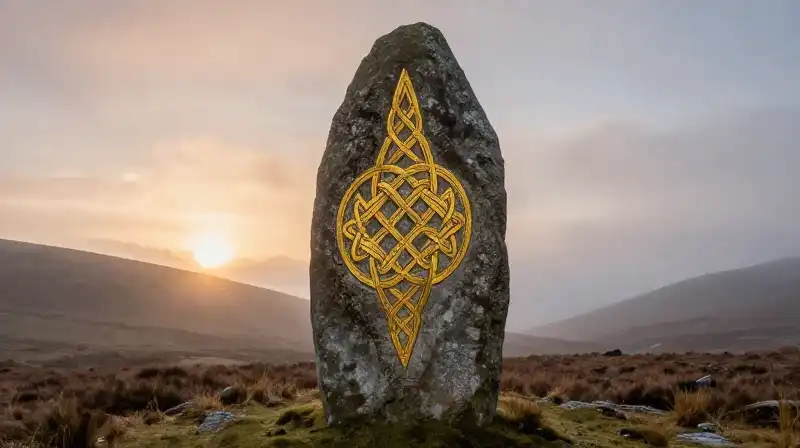
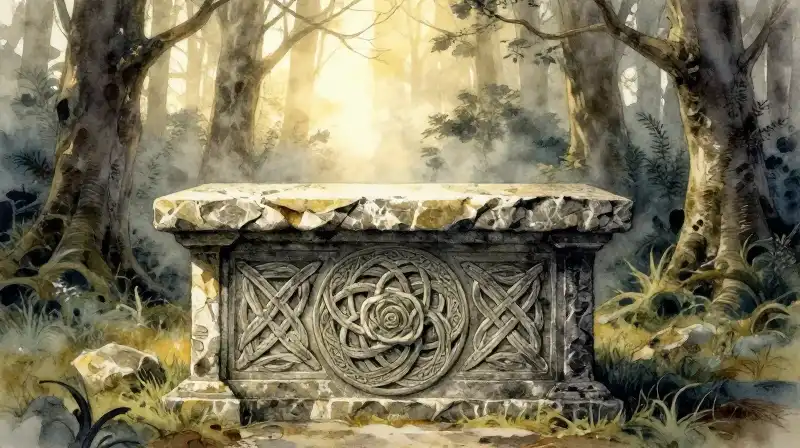
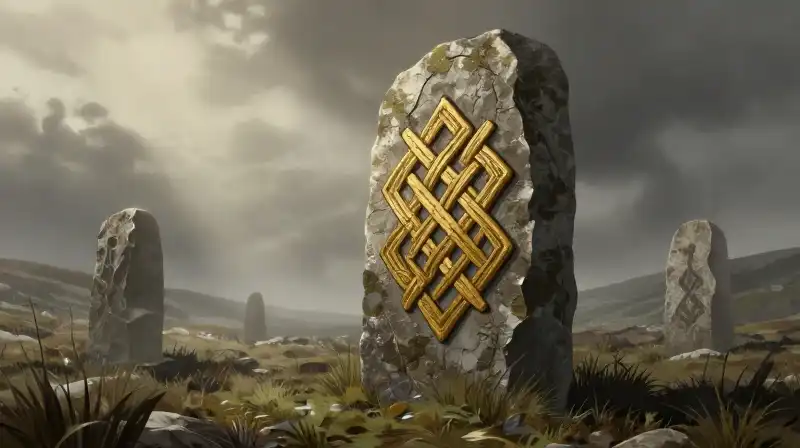
What distinguishes Celtic art from many other contemporary traditions is its deep reliance on abstract, non-figurative decoration. Unlike classical traditions that centered on realistic representations of gods and humans, Celtic artistry often retained a preference for geometric decoration, even when figures were subtly stylized. The core of this artistic philosophy rests upon the concept of balance. Scholars describe this principle as an “exquisite sense of balance,” where the play between positive and negative spaces creates a harmonious, vibrating whole. This is most evident in the favored motifs of the tradition: energetic circular forms, the triskeles, and the endless spirals. These symbols reject straight lines, opting instead for a rhythm that suggests constant, flowing movement. This stylistic characteristic is particularly pronounced in Insular art—the specific segment that produced masterpieces like the Book of Kells—which successfully incorporated non-Celtic influences while maintaining a unique preference for intricate, complex patterning.
Deciphering Modern Meaning and Regional Identity
While the terms Brythonic and Goidelic were historically used to broadly categorize various groups in Britain and Ireland, modern Gaelic symbolism draws heavily on the later traditions of the Insular period. Today, these motifs are not merely decorative; they carry significant cultural weight, particularly within the modern Celtic Revival. The Revival—a cultural movement that sought to define and celebrate unique national identity—frequently utilized motifs from the earlier Iron Age and Insular styles. For many, the complexity of the knotwork represents continuity, history, and the inseparable connection between human existence and the land. The symbols often function as visual expressions of a shared cultural lineage, even when the specific meaning shifts from ancient ritual to a modern expression of nationalism.
Cultural Nuances: Migration vs. Diffusion
Understanding Celtic art requires recognizing the complexities that surround historical categorization. Archaeological evidence from these early periods is often biased, as the most surviving material frequently consists of precious metals, which may offer an incomplete picture of the entire culture. Furthermore, the relationships between different Celtic groups are subjects of ongoing scholarly debate. Questions persist regarding the source of the widespread stylistic similarities: were they the result of shared ancestral movement and population migration, or were they the result of a cultural diffusion—an exchange of ideas and practices across a landscape without the wholesale movement of people? The continuous presence of motifs like the triskeles and interwoven patterns across vast distances suggests both a deep cultural exchange and a remarkably persistent aesthetic grammar.
Living Heritage: Symbolism Beyond the Manuscript
Gaelic symbolism is not confined to illuminated manuscripts or excavated jewelry. In the contemporary world, these motifs continue to live on through contemporary arts and personal expression. Whether in jewelry, architectural elements, or digital media, the enduring power of the spirals and knots lies in their ability to transcend literal definition. They represent a rejection of the linear and the mundane, offering instead a visual meditation on cyclical time, endless patterns, and the intricate relationship between human craft and the natural world. When deciphering these motifs, the key is to see them not as isolated signs, but as part of a cohesive aesthetic philosophy—one that prioritizes the intricate balance of form over the singular focus on figurative representation. The tradition thus remains a rich, evolving tapestry of history, design, and communal pride.
Frequently Asked Questions
What are Scottish Celtic symbols?
Celtic symbols are defined by abstract, non-figurative decoration, favoring geometric shapes over realistic representations and rejecting straight lines. These motifs include intricate knots, the triskeles, and endless spirals, which embody concepts of balance, continuity, and constant, flowing movement.
Related Articles