What VR applications are transforming Cultura museum experiences

Museums are facing increasing pressure to remain relevant in a digital age. Traditional displays, while valuable, can sometimes feel static and disconnected for modern audiences accustomed to interactive and immersive experiences. This shift in audience expectations, coupled with advancements in technology, has led to a burgeoning exploration of virtual reality (VR) applications within the cultural sector. Museums are no longer just repositories of artifacts; they're evolving into dynamic centers of learning and engagement, leveraging VR to offer richer, more personal connections to history and art.
The potential of VR to transcend physical limitations is particularly compelling. Imagine stepping inside a recreated Roman villa, exploring a lost Mayan city, or encountering dinosaurs in their natural habitat – all without leaving the museum walls. This ability to transport visitors beyond the confines of a static exhibit and offer unprecedented levels of accessibility is driving widespread adoption of VR technology by institutions around the globe. The future of Cultura museums may well be inextricably linked to these immersive technological advancements.
## Recreating Lost Worlds: Archaeological Sites and Historical Environments
VR excels at recreating spaces that are no longer accessible, either due to destruction, distance, or fragility. For example, the British Museum utilizes VR to allow visitors to explore the temples of Palmyra in Syria, long before they were significantly damaged. This reconstruction not only preserves a record of these important sites, but also offers a truly captivating way to learn about their architecture and cultural significance. Users can freely roam these virtual environments, examining details and gaining a sense of scale that photographs simply cannot convey.
The use of photogrammetry—creating 3D models from photographs—is a key technology underpinning this capability. Archaeologists can capture detailed imagery of existing remains, which are then processed to generate highly realistic VR models. The accuracy of these models directly impacts the authenticity of the experience, enabling visitors to feel genuinely transported to another time and place. This process requires significant expertise and resources, but the resulting immersive experiences are unparalleled.
This type of VR application also offers unique educational opportunities. Teachers can use these virtual tours as powerful tools to enhance history lessons, offering students a perspective that a textbook simply can’t provide. The potential for deeper engagement and a more intuitive understanding of past civilizations makes VR a valuable pedagogical tool.
## Bringing Art to Life: Enhanced Viewing and Artistic Exploration
VR isn't just about recreating physical spaces; it can also dramatically enhance the experience of viewing art. The Louvre, for example, has experimented with VR applications that allow visitors to explore iconic artworks like the Mona Lisa in unprecedented detail, examining brushstrokes and layering techniques usually invisible to the naked eye. This level of detail is made possible by high-resolution scanning of paintings and sculptures.
Beyond simple magnification, VR can offer interactive elements that further enrich the artistic experience. Some applications incorporate animated reconstructions of artworks, showing how a painting was created or depicting the subjects of a portrait in action. This adds a dynamic layer to the static art object, making it more engaging and bringing it to life. This allows for a more visceral and empathetic connection with the artist's intention.
Furthermore, VR allows for the creation of entirely new forms of artistic expression. Artists can use VR software to build immersive installations and interactive sculptures that defy the limitations of the physical world. The merging of art and technology is generating novel and captivating experiences, pushing the boundaries of what constitutes "art" itself.
## Interactive Storytelling: Narrative and Engagement within Museums
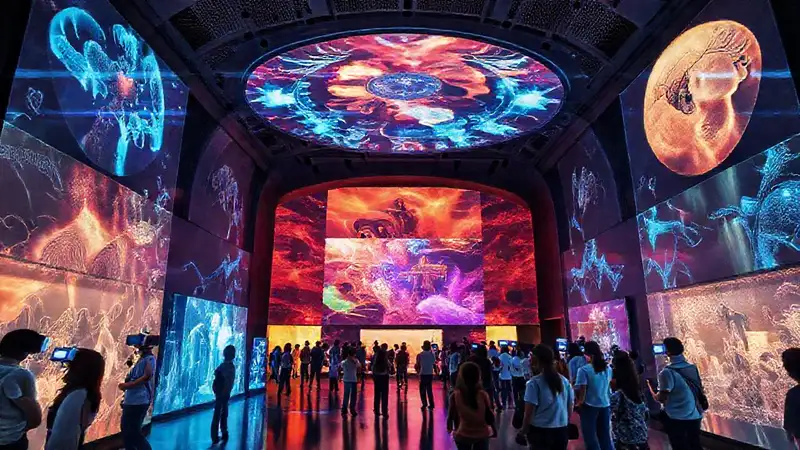
Museums are increasingly recognizing the power of storytelling to capture and retain visitor attention. VR provides an ideal platform for delivering these narratives in a highly immersive and engaging way. Instead of simply reading captions, visitors can become active participants in historical events, experiencing the past through the eyes of a specific character or witnessing key moments unfold around them. This transformative shift creates a deeper level of empathy.
Using VR, museums can craft customized narratives that cater to different audiences and learning styles. For example, a VR experience focusing on the life of a museum curator might detail the challenges of preserving artifacts, while another could explore the social and political context of a particular artwork. The ability to control the narrative flow and offer multiple perspectives allows for a more nuanced and personalized learning experience.
The use of spatial audio within VR environments is crucial to enhance the storytelling experience. Realistic soundscapes and positional audio cues create a sense of presence and immersion, making the narratives feel even more compelling. Coupled with haptic feedback, where subtle vibrations simulate touch, VR offers a remarkably sensory way to engage with history.
## Accessibility and Outreach: Reaching Wider Audiences
One of the most significant benefits of VR in museums is its potential to dramatically expand accessibility. Individuals who are physically unable to visit a museum in person, whether due to disability, geographic limitations, or financial constraints, can still experience the collections through VR. This democratization of knowledge is a powerful force for inclusivity.
Museums can create virtual tours that are tailored to the needs of specific audiences, such as those with visual or auditory impairments. Interactive elements can be designed to accommodate different learning styles and cognitive abilities. VR offers an unparalleled opportunity to reach underserved communities and broaden the museum's impact. This directly aligns with the growing emphasis on equity and social responsibility in the cultural sector.
Furthermore, VR allows museums to reach global audiences through online platforms. Virtual exhibits can be accessed from anywhere in the world, opening up new avenues for collaboration and cultural exchange. The ability to share collections with a worldwide audience creates new opportunities for research and education, extending the museum's mission beyond its physical walls.
## Conclusion
The integration of VR technology into Cultura museums is rapidly transforming the visitor experience, moving beyond passive observation to active participation and immersive exploration. From recreating lost archaeological sites to enhancing the appreciation of art and fostering compelling narratives, VR offers a multitude of possibilities for engagement and education. The initial investment can be significant, but the long-term benefits—increased visitor attendance, expanded outreach, and enhanced learning—are proving to be well worth the cost.
As VR technology continues to evolve—becoming more affordable, user-friendly, and capable—we can expect to see even more innovative applications emerge within the cultural sector. The convergence of art, history, and technology promises a future where museums are not just places to see the past, but dynamic portals to understanding and experiencing it in profoundly new and meaningful ways.
Deja una respuesta