How does IoT improve preservation of Cultura artifacts
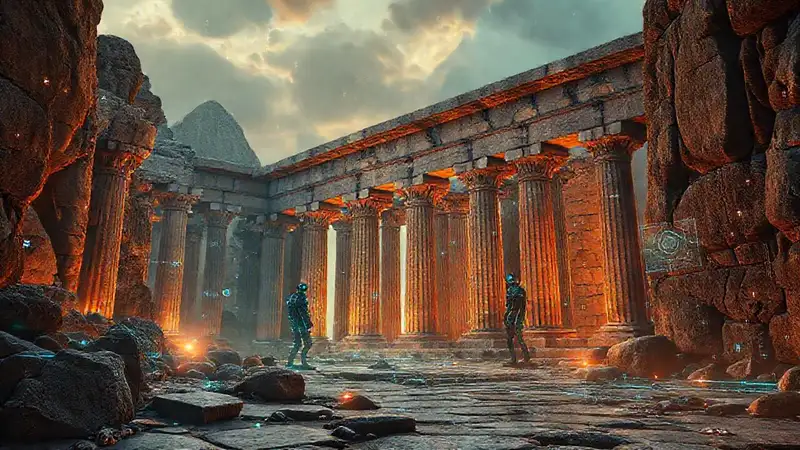
The preservation of cultural artifacts – from ancient pottery shards to Renaissance paintings – is a global challenge. Traditional preservation methods, while vital, often rely on manual monitoring, limited data collection, and reactive responses to environmental changes. This can lead to gradual deterioration and, in some cases, catastrophic loss. The burgeoning field of the Internet of Things (IoT) offers a transformative solution, promising a future where artifacts are continuously monitored, threats are proactively identified, and preservation efforts are significantly enhanced, benefiting future generations.
The integration of IoT into cultural heritage sites and museums represents a paradigm shift. By deploying a network of interconnected sensors, data loggers, and analytical tools, we can gather granular, real-time information about the environment surrounding artifacts. This data, when analyzed effectively, allows for personalized preservation strategies, moving away from a “one-size-fits-all” approach and toward precision conservation tailored to the unique needs of each item. The potential impact is profound, offering a lifeline for vulnerable pieces of history.
## Environmental Monitoring & Control
One of the most immediate benefits of IoT is its ability to provide comprehensive environmental monitoring. Traditional methods might involve sporadic temperature and humidity readings, but IoT sensors can provide constant, high-resolution data points across an entire collection. This includes temperature, humidity, light levels (UV and visible), vibration, and even air quality (presence of pollutants). The density of the sensor network allows for the identification of microclimates within a museum or archive, revealing areas particularly vulnerable to damage.
The data collected isn't just about observation; it's about control. Integrated IoT systems can automatically adjust HVAC systems (heating, ventilation, and air conditioning) to maintain optimal conditions, preventing fluctuations that can stress fragile materials. For example, if humidity spikes, the system could automatically activate dehumidifiers. Similarly, light sensors can trigger the dimming of lights in areas where artifacts are exposed to excessive UV radiation, slowing down fading and degradation.
Real-time alerts are another crucial aspect. Should a sensor detect a breach in established parameters – a sudden temperature drop, high humidity, or a detected vibration – an automated alert can be sent to conservation staff. This enables a rapid response, potentially preventing significant damage before it occurs. The proactive nature of this system is a considerable improvement over reactive preservation strategies.
## Predictive Maintenance & Degradation Modeling
Beyond simply reacting to events, IoT facilitates predictive maintenance and degradation modeling. By collecting historical data on environmental conditions and correlating it with observed changes in artifacts, conservationists can build models to forecast future degradation. This allows them to anticipate potential problems before they manifest, scheduling preventative interventions at opportune times. Imagine being able to predict when a specific painting’s varnish will begin to crack based on a history of temperature fluctuations.
This predictive capability relies on artificial intelligence (AI) and machine learning (ML) algorithms. These algorithms can sift through massive datasets from sensors, identifying patterns and correlations that would be impossible for humans to detect. For example, AI could learn that a specific type of wood is particularly susceptible to damage under a combination of high humidity and fluctuating temperatures, allowing for targeted preventative measures. The integration of AI amplifies the power of IoT data significantly.
The use of digital twins is also emerging. A digital twin is a virtual replica of an artifact or a space containing artifacts, incorporating sensor data and 3D models. This allows conservationists to simulate the impact of different environmental conditions and interventions in a risk-free environment, optimizing preservation strategies before implementing them in the real world.
## Smart Storage & Retrieval
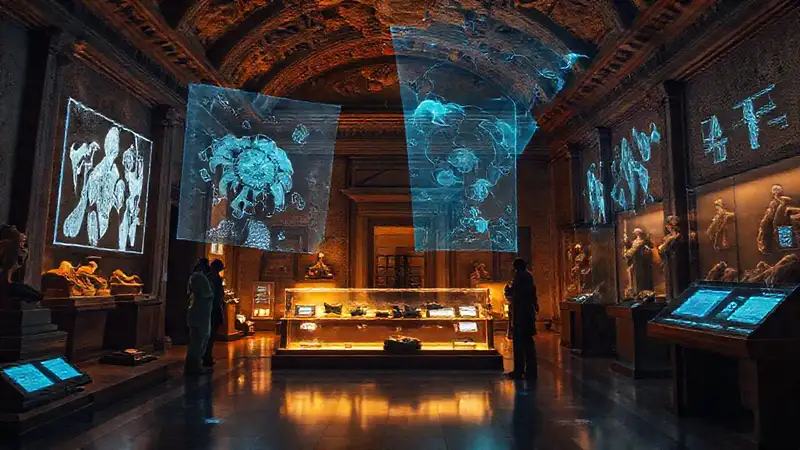
IoT isn’t limited to monitoring the environment. It can also revolutionize how cultural artifacts are stored and retrieved. Utilizing RFID (Radio-Frequency Identification) tags or other tracking technologies, museums and archives can precisely locate and monitor the movement of individual items. This eliminates the risk of misplacement and theft, improves inventory management, and allows for efficient retrieval.
Furthermore, IoT can automate aspects of the storage process itself. Intelligent shelving systems, guided by sensor data and robotic arms, can optimize storage density while ensuring the long-term preservation of artifacts. These systems can automatically adjust temperature and humidity within each storage unit, providing tailored preservation environments for different objects. This level of granular control is simply not possible with traditional storage methods.
The integration of smart tracking also improves visitor experience. Visitors can access information about artifacts through interactive displays, which pull data from IoT-enabled tags. This creates a richer and more engaging experience while also enhancing security and protecting the artifacts from accidental damage due to mishandling.
## Remote Monitoring & Collaboration
A major benefit of IoT is its ability to extend preservation efforts beyond the physical confines of a museum or archive. Remote monitoring allows conservationists to track conditions at sites around the globe, regardless of their location. This is especially crucial for sites in remote areas or those at risk of conflict or natural disasters. Data streams can be accessed in real-time, providing a constant stream of information to specialists anywhere in the world.
This opens doors for global collaboration. Conservation experts can remotely diagnose problems, provide guidance on preservation strategies, and even control environmental systems from afar. This reduces the need for costly and time-consuming travel, enabling a more efficient and coordinated approach to preservation. The pandemic demonstrated the critical importance of remote monitoring capabilities.
The accessibility of data is paramount to successful collaboration. Cloud-based platforms can store and share sensor data securely, allowing multiple stakeholders to access the information they need, fostering transparency and promoting best practices across the cultural heritage sector.
## Conclusion
The integration of IoT into the preservation of cultural artifacts represents a truly transformative opportunity. By leveraging a network of interconnected sensors, data analytics, and automation tools, we can move beyond reactive preservation strategies towards proactive, data-driven conservation approaches. The ability to monitor, predict, and control the environments surrounding these invaluable objects will significantly extend their lifespan and safeguard them for future generations.
While the initial investment in IoT infrastructure can be substantial, the long-term benefits – reduced damage, optimized resource allocation, and enhanced access to information – far outweigh the costs. As technology continues to evolve and become more affordable, the widespread adoption of IoT in cultural heritage will undoubtedly become the norm, ensuring that our shared cultural heritage endures.
Deja una respuesta