How can biometrics secure Cultura event access control
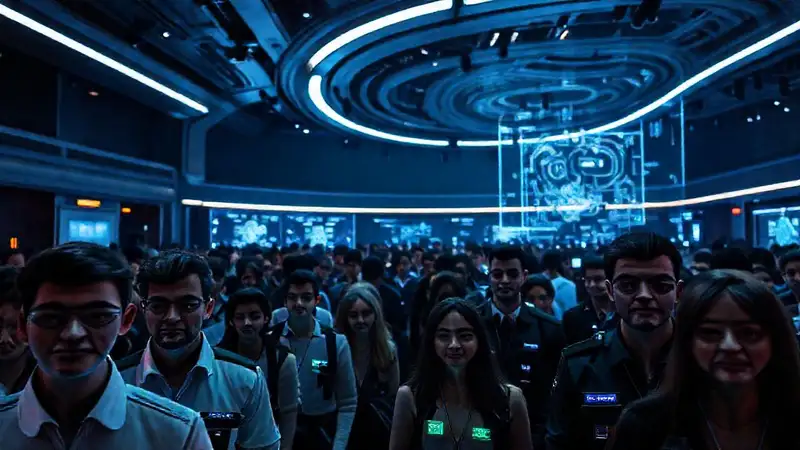
Cultura, a renowned international arts and music festival, prides itself on providing an immersive and secure experience for its attendees. As the festival continues to grow, ensuring seamless entry while preventing unauthorized access has become increasingly complex. Traditional methods like tickets and wristbands, while familiar, are susceptible to fraud, counterfeiting, and resale, creating a potential security risk and undermining the integrity of the event. Implementing robust and modern access control solutions is vital to maintain the safety and enjoyment of Cultura's attendees and performers.
The rise of biometric technology offers a compelling solution to these challenges. Moving beyond easily duplicated physical tokens, biometrics leverages unique biological characteristics for authentication. This shift represents not just an upgrade in security but also an opportunity to enhance the overall attendee experience by streamlining the entry process. This article will explore how various biometric technologies can be integrated to secure Cultura event access control, addressing both the practical considerations and the potential benefits.
## Facial Recognition for Rapid Identification
Facial recognition technology has become increasingly sophisticated and readily available. At Cultura, deploying facial recognition can significantly expedite the entry process, especially at high-traffic points. The system can be trained to recognize pre-approved attendees – staff, artists, VIP guests – allowing for instant verification and eliminating the need for physical credentials. This efficiency reduces queues and improves the overall flow of people through the entry gates.
Implementation requires careful consideration of data privacy and ethical implications. A robust data handling protocol is essential, ensuring compliance with GDPR and other relevant regulations. This includes obtaining explicit consent from attendees before their facial data is stored and utilizing anonymized data sets for initial system training to minimize potential bias and enhance accuracy. Transparent communication regarding data usage is paramount for building attendee trust.
Beyond immediate access control, facial recognition can also play a role in post-event security monitoring. By reviewing recorded footage, security personnel can quickly identify individuals of interest, respond to incidents effectively, and enhance overall event surveillance. Combining facial recognition with other security measures, such as bag checks and metal detectors, creates a layered security approach.
## Fingerprint Scanning: A Proven and Reliable Method
Fingerprint scanning has long been established as a reliable biometric authentication method, and its continued development makes it an attractive option for Cultura. The technology is relatively mature, offering a good balance of cost, accuracy, and ease of use. Integration with existing ticketing systems is generally straightforward, allowing for seamless verification against a database of pre-registered attendees.
The primary advantage of fingerprint scanning is its inherent uniqueness – even identical twins have different fingerprint patterns. This makes it far more difficult to forge or replicate compared to traditional methods. Cultura could require attendees to register their fingerprints prior to the event, linking them to their tickets for secure access to various zones, including backstage areas or exclusive VIP sections, ensuring controlled access.
However, challenges related to hygiene and potential resistance from attendees need to be addressed. Implementing thorough sanitation protocols for scanners is crucial. Furthermore, offering alternative biometric options, such as facial recognition, allows attendees who are uncomfortable with fingerprint scanning to still enjoy the benefits of a secure event experience. A focus on user comfort is key to acceptance.
## Iris Scanning: High Security, Lower Adoption Hurdles
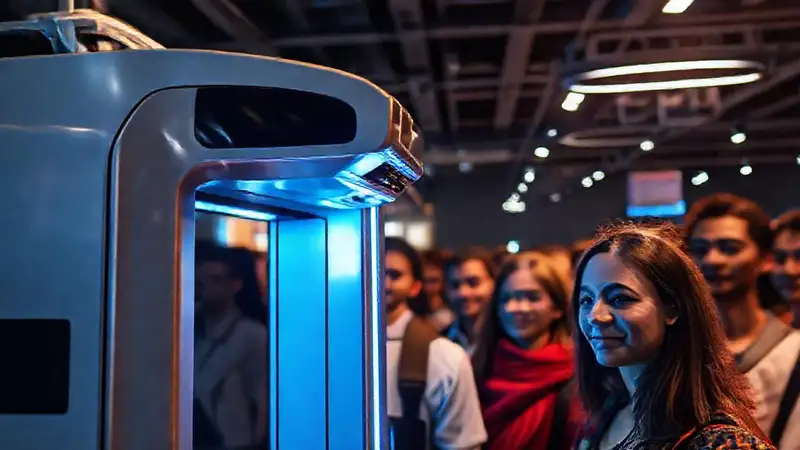
Iris scanning is considered one of the most secure biometric methods available, boasting a very low error rate. The unique pattern of the iris, the colored part of the eye, is complex and remains constant throughout life. This level of distinctiveness makes it exceptionally difficult to spoof, providing a very high level of security for Cultura.
While the technology offers unparalleled security, the adoption rate is currently lower compared to facial or fingerprint scanning, largely due to cost and perceived complexity. The scanning devices are generally more expensive and require more specialized infrastructure. Moreover, some attendees may find the scanning process slightly more intrusive than simpler methods, leading to potential resistance.
Despite these challenges, the advantages of iris scanning warrant exploration for specific high-security zones within Cultura. For example, it could be utilized for access to the artist compound or secure storage areas where valuable equipment is kept. The increased security provided by iris scanning justifies the investment for protecting the most sensitive assets.
## Voice Recognition: A Hands-Free and Convenient Option
Voice recognition technology offers a unique, hands-free authentication method, which can be particularly appealing in a crowded event environment. Attendees could register their voice patterns prior to Cultura, and the system could verify their identity simply by speaking a pre-defined phrase upon approaching an access point. This adds a layer of convenience and streamlines the entry process.
The accuracy of voice recognition has significantly improved in recent years, thanks to advances in machine learning and noise reduction techniques. However, performance can still be affected by background noise and variations in voice characteristics caused by illness or stress. Robust algorithms and careful system calibration are necessary to minimize these errors and maintain reliable authentication.
Beyond access control, voice recognition could be integrated with other event services, such as mobile ordering or interactive kiosks. This provides a unified and personalized experience for attendees. However, privacy concerns surrounding voice data collection must be addressed transparently, ensuring compliance with relevant regulations and obtaining explicit attendee consent.
## Conclusion
Integrating biometric technologies into Cultura's event access control presents a significant opportunity to enhance security, streamline operations, and elevate the attendee experience. While each technology—facial recognition, fingerprint scanning, iris scanning, and voice recognition—offers unique advantages and challenges, a strategic, layered approach that combines multiple methods can create a comprehensive and resilient security system. Careful consideration of data privacy, ethical implications, and user comfort is essential for successful implementation.
Ultimately, the adoption of biometrics at Cultura should be driven by a commitment to both safety and user experience. By prioritizing transparency, offering alternatives, and investing in robust data security measures, the festival can leverage these powerful technologies to create a more secure and enjoyable environment for everyone involved, while solidifying its reputation as a leader in innovative event management.
Deja una respuesta