How can 3D printing recreate Cultura historical artifacts
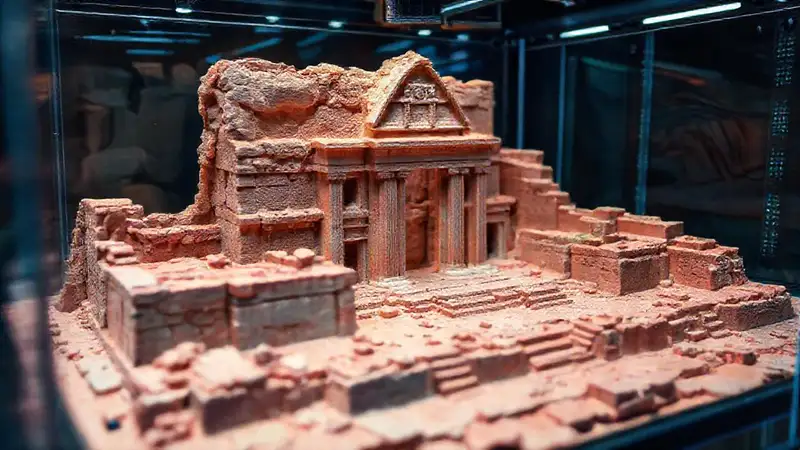
The intersection of technology and culture has always existed, but the pace of that intersection is accelerating dramatically, particularly with the advent of 3D printing. Cultura, in its broadest sense – encompassing art, architecture, traditions, and historical objects – represents a tangible link to our past. For centuries, preserving and sharing this Cultura has been a challenge, complicated by fragility, damage, scarcity, and geographic limitations. 3D printing offers a groundbreaking solution, potentially democratizing access to historical artifacts and revolutionizing how we understand and appreciate our heritage.
This article explores how 3D printing is being utilized to recreate historical artifacts, from ancient sculptures to crumbling buildings. We’ll examine the benefits, challenges, and ethical considerations surrounding this technology, while also highlighting specific examples where 3D printing is making a real impact on the preservation and accessibility of Cultura. The hope is to illustrate the incredible potential of this technology to safeguard our collective memory and build a more inclusive and engaging understanding of the past, moving beyond the traditional museum walls.
## Scanning and Modeling: The Foundation of Replication
The first step in 3D printing historical artifacts involves capturing their precise form. This process typically begins with scanning technology, ranging from simple photogrammetry (using photographs to create a 3D model) to sophisticated laser scanning and structured light scanning. Photogrammetry is often cheaper and more accessible, particularly for smaller objects, relying on a series of overlapping images to build a digital representation. Laser and structured light scanners, however, offer higher resolution and are capable of capturing intricate details, making them ideal for fragile or complex pieces.
Once the initial scan is completed, the raw data requires significant processing. This is where digital modeling comes into play. A skilled technician cleans up the scan data, fills in any missing sections, and creates a watertight 3D model suitable for printing. This process often involves using specialized software like Blender, ZBrush, or MeshMixer. Careful attention is paid to detail, ensuring accuracy and maintaining the artifact's original appearance.
The quality of the final 3D print is inherently linked to the accuracy of the initial scan and the quality of the subsequent modeling. Errors in either stage can translate into inaccuracies in the replica, diminishing its value as a representation of the original. Consequently, rigorous quality control and validation are crucial to achieving reliable and accurate reproductions.
## Material Selection: From Plastics to Ceramics
The choice of material for 3D printing significantly influences the final appearance, durability, and cost of the replica. Initially, most 3D printed historical artifacts were created using plastics, such as PLA (polylactic acid) and ABS (acrylonitrile butadiene styrene), due to their affordability and ease of use. These materials are readily available and suitable for creating relatively simple reproductions. However, plastics lack the aesthetic qualities of the original materials often used in historical artifacts.
More recently, advancements in 3D printing technology have allowed for the use of a wider range of materials, including ceramics, metals, and even composites. Ceramic 3D printing, for example, can replicate the look and feel of ancient pottery or stone sculptures. Metal 3D printing, utilizing techniques like selective laser melting (SLM), allows for the creation of highly detailed and durable replicas of metal artifacts, although this method is considerably more expensive.
The ongoing research into new materials and printing processes continues to expand the possibilities for accurately replicating historical artifacts. Future innovations could involve using materials that mimic the properties of the original materials even more closely, such as replicating the weathering effects on a stone statue with a specially formulated coating. The selection of a material often hinges on a balance between accuracy, cost, and the intended application.
## Preservation and Accessibility: Democratizing Cultura
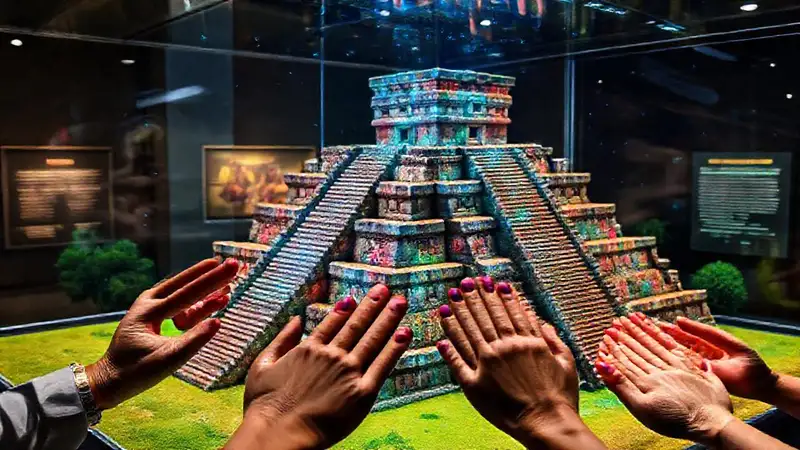
One of the most compelling benefits of 3D printed historical artifacts is their potential to enhance preservation and accessibility. Original artifacts are often fragile and susceptible to damage from handling, environmental factors, and theft. 3D printed replicas can serve as educational tools, exhibition pieces, and research aids, while the original remains safely stored and protected. This removes the pressure to expose delicate originals to the public eye.
Furthermore, 3D printing allows for the creation of multiple copies of an artifact, expanding access to Cultura beyond traditional museum settings. Educational institutions, community centers, and even individuals can benefit from having access to these replicas, fostering a greater appreciation for history and heritage. Museums can also offer virtual tours and online access to 3D printed models, reaching a wider audience globally and democratizing the experience.
This democratization has profound implications for cultural understanding. By providing accessible replicas, we can encourage broader engagement with Cultura and promote a more inclusive understanding of our shared heritage. Museums and other cultural institutions can use these replicas to complement traditional displays and create interactive experiences for visitors of all ages.
## Challenges and Ethical Considerations: Authenticity and Ownership
While the benefits of 3D printing historical artifacts are significant, several challenges and ethical considerations need to be addressed. A primary concern revolves around the question of authenticity. A 3D printed replica, no matter how accurate, is not the original object and should be clearly labeled as such to avoid misleading the public. The distinction between a replica and the original artifact needs to be rigorously maintained.
Copyright and intellectual property rights also pose a complex legal challenge. Who owns the rights to a 3D model of a historical artifact? Is it the museum holding the original, the creator of the 3D model, or the country of origin of the artifact? Navigating these issues requires careful consideration and the development of clear legal frameworks. Cultural ownership rights and repatriation claims become particularly pertinent when dealing with artifacts from colonized nations.
Finally, there's the potential for misuse, such as creating convincing forgeries for commercial purposes. Safeguards need to be implemented to prevent the unauthorized reproduction and distribution of 3D models of culturally significant artifacts, protecting both the original objects and the integrity of Cultura. The ability to produce these copies with relative ease makes proper regulation essential.
## Conclusion
3D printing represents a powerful new tool for preserving, studying, and sharing historical artifacts. From the meticulous scanning and modeling processes to the advancements in material science, the technology is continually evolving, enabling more accurate and accessible reproductions of Cultura. While challenges related to authenticity, copyright, and potential misuse remain, these can be addressed through careful planning, ethical guidelines, and robust legal frameworks.
The potential impact on museums, educational institutions, and the public is transformative. By democratizing access to historical artifacts, 3D printing can foster a deeper appreciation for our collective past, encouraging greater engagement with Cultura and promoting a more inclusive understanding of our shared history. The future promises even more sophisticated applications, further blurring the lines between the physical and digital worlds and revolutionizing how we interact with our heritage.
Deja una respuesta