How did ancient manuscripts preserve Cultura's early history

The history of Cultura, a civilization renowned for its intricate artistry, philosophical depth, and surprisingly advanced agricultural techniques, is largely pieced together from a fragmented collection of ancient manuscripts. For centuries, the memory of Cultura faded, dismissed as folklore or legend. It wasn't until the 18th century, with the rediscovery of the Sunken City of Xylos, that the first tangible evidence of Cultura’s existence emerged, along with a trove of remarkably preserved documents. The survival of these texts is a testament to the dedication of Cultura's scribes and the fortuitous environmental conditions that allowed for their preservation, offering us a glimpse into a sophisticated society that thrived millennia ago.
Recovering and deciphering these manuscripts has been an arduous and ongoing process, complicated by their varying states of preservation, the use of a now-obsolete script, and the inherent biases potentially present in the original authors. However, they remain our primary, and in many cases, our only source of information about Cultura’s origins, societal structure, religious beliefs, technological innovations, and eventual decline. The fragile nature of these documents underscores the immense responsibility we have to protect and study them, ensuring that the story of Cultura continues to be told.
## The Founding Myths and the Age of the Dawn Mages
The earliest manuscripts recovered detail what are believed to be founding myths, often interwoven with accounts of magical figures known as the Dawn Mages. These texts, written on treated bark and imbued with surprisingly durable inks derived from local plants, depict a creation narrative involving the celestial serpent, Xylos, and the emergence of the Cultura people from its scales. While the accuracy of these narratives is debated amongst scholars, they undeniably offer crucial insights into the early beliefs and values of the Cultura. The serpent imagery recurs throughout Cultura art and architecture, suggesting its central importance in their cosmology.
These mythical accounts are frequently followed by tales of the Dawn Mages, individuals who are portrayed as possessing extraordinary abilities, capable of manipulating the elements and communicating with animals. These mages are credited with establishing the first settlements and teaching the Cultura the rudiments of agriculture and crafting. While some dismiss them as purely legendary figures, analysis of the manuscripts suggests that these individuals might have represented early leaders or shamans who developed advanced knowledge in fields like botany and meteorology, later embellished with supernatural attributes. The consistent portrayal of these figures underscores a desire to legitimize authority and establish a sense of shared heritage.
The "Age of the Dawn Mages," as it's commonly referred to in the texts, represents a period of rapid societal development, transitioning from nomadic hunter-gatherer lifestyles to settled agricultural communities. Evidence within the manuscripts points towards a process of gradual social stratification, with the Dawn Mages gradually accumulating power and influence. The use of ritual and ceremony in these accounts further highlights the development of organized religion and the beginnings of a formal social hierarchy, marking a crucial shift in Cultura’s development.
## The Rise of the Scholar-Priests and the Codex System
As Cultura society matured, the role of the Dawn Mages appears to have diminished, replaced by a powerful class of Scholar-Priests who controlled the transmission of knowledge and interpreted the sacred texts. These individuals, meticulously trained in calligraphy, astronomy, and theology, formed the core of Cultura’s intellectual elite. The manuscripts reveal a sophisticated system of education, with young initiates undergoing years of rigorous study to master the complex Cultura script and philosophical tenets. The emergence of this class marked a significant shift from a primarily oral tradition to a formalized system of written communication.
A defining innovation of this era was the development of the Codex system – intricately bound books made from carefully prepared papyrus-like material. Unlike previous methods of writing on bark or individual clay tablets, the Codex allowed for the storage of vast quantities of information in a more portable and durable format. The meticulous detailing of the Codex production process within the manuscripts demonstrates a remarkable level of technological skill, including the invention of advanced pigments and binding techniques. This transition dramatically increased the accessibility and preservation of knowledge, contributing to Cultura’s intellectual flourishing.
The Scholar-Priests used their control over the Codex system to consolidate their power and disseminate their interpretations of Cultura’s history and religious doctrines. The manuscripts reveal a deliberate effort to sanitize or re-interpret earlier accounts, reinforcing the authority of the Scholar-Priests and shaping the narrative of Cultura's past. This manipulation of information highlights the complexities of interpreting historical texts, particularly when they are filtered through the lens of a specific power structure.
## Cultural Innovations: Agriculture and Engineering
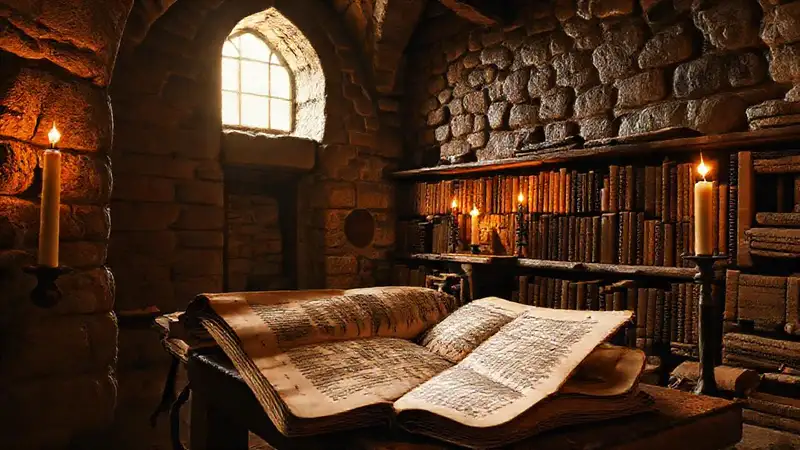
The manuscripts offer surprisingly detailed accounts of Cultura's agricultural advancements, showcasing a deep understanding of botany, irrigation, and soil management. They describe complex crop rotation systems, the selective breeding of plants, and the development of specialized tools for cultivating a diverse range of crops, including a now-extinct grain known as "Solbloom." The precise details regarding the cultivation of Solbloom, including its unique growing conditions and potential medicinal properties, are contained within several heavily guarded Codexes, illustrating its importance to the Cultura.
Beyond agriculture, the manuscripts reveal impressive feats of engineering, including sophisticated irrigation canals, terraced fields, and the construction of monumental structures using precisely cut stone. The texts contain architectural blueprints and engineering diagrams, revealing an understanding of principles of physics and mathematics that were remarkably advanced for their time. The precision with which these structures were built, even with the limited technology at their disposal, points to a highly organized and skilled workforce and a commitment to large-scale planning.
However, the manuscripts also contain cautionary tales about the ecological consequences of unchecked development. References to deforestation, soil erosion, and the depletion of water resources suggest that the Cultura were aware of the potential environmental impacts of their actions, though they may not have always acted to mitigate them. These warnings hint at a growing awareness of the interconnectedness of their society and its environment, though the long-term consequences were not always fully understood or heeded, ultimately contributing to the decline.
## Religious Beliefs and Ritual Practices
Cultura’s religious beliefs, as reconstructed from the manuscripts, centered around the veneration of natural forces, particularly the sun, the moon, and the cyclical patterns of the seasons. They believed in a pantheon of deities, each associated with specific aspects of nature and human life. The manuscripts detail elaborate ritual practices, including seasonal festivals, offerings to the deities, and ceremonies designed to ensure a bountiful harvest and the continued prosperity of the community. The visual depictions of these rituals, found in elaborately illustrated Codexes, are striking examples of their artistic expression.
The manuscripts also describe a complex system of divination, with Scholar-Priests interpreting omens and prophecies to guide the community’s actions. They employed methods such as astrology, dream interpretation, and the examination of animal entrails to glean insights into the future. While the efficacy of these methods remains a subject of debate, their widespread use indicates a deep-seated belief in the interconnectedness of the human world and the spiritual realm. This focus on divination reinforces the position of the Scholar-Priests as intermediaries between the human and divine, increasing their influence.
The concept of an afterlife plays a significant role in Cultura religious beliefs, as evidenced by the elaborate burial rituals described in the manuscripts. They believed that the deceased journeyed to a spiritual realm, where they would be judged based on their actions in life. Grave goods, including food, tools, and precious objects, were buried with the deceased to provide them with sustenance and comfort in the afterlife, highlighting the Cultura’s belief in a continuous cycle of existence and the importance of honoring the dead.
## Conclusion
The ancient manuscripts recovered from Cultura’s ruins represent a treasure trove of information about a lost civilization. While fragmented and subject to potential biases, these texts provide invaluable insights into their history, beliefs, and technological achievements. The laborious process of translation and analysis continues to reveal new details about Cultura society, challenging our understanding of the ancient world and reminding us of the ingenuity and complexity of human civilization. The careful preservation and continued study of these documents is paramount.
The ultimate fate of Cultura remains somewhat shrouded in mystery, with the manuscripts providing only fragmented clues about their decline. Theories range from environmental collapse and resource depletion to internal conflict and external invasion. However, one thing is clear: the survival of these ancient manuscripts has ensured that the story of Cultura will not be entirely forgotten, allowing us to learn from their successes and heed their warnings as we navigate our own future.
Deja una respuesta