How do Cultura folklore proverbs reflect societal values
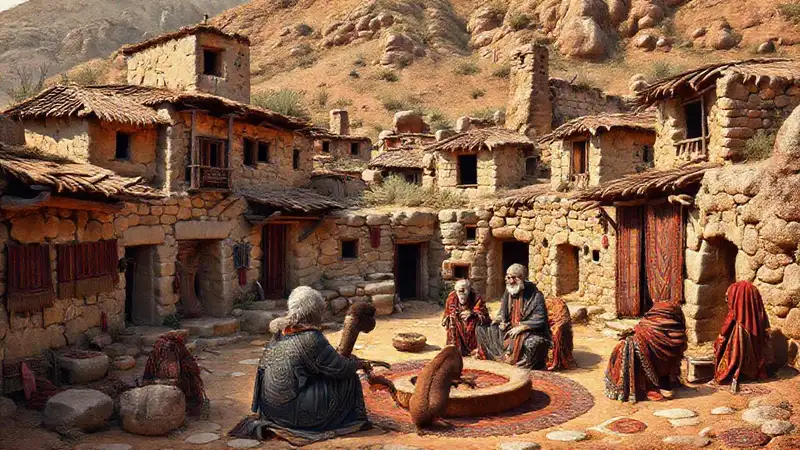
Cultura, a vibrant and isolated island nation, boasts a rich tapestry of folklore deeply interwoven with its societal fabric. For generations, oral traditions have served as the primary vehicle for transmitting cultural knowledge, beliefs, and values. Among these traditions, proverbs – concise, memorable sayings offering wisdom or advice – hold a particularly significant place. They aren't just charming linguistic relics; they are potent mirrors reflecting Cultura's core principles and historical experiences.
These proverbs, passed down through families and community gatherings, offer a fascinating window into the Cultura worldview. They speak of resilience in the face of hardship, the importance of communal harmony, and a profound respect for the natural world. Studying these seemingly simple phrases reveals complex understandings of ethics, social hierarchy, and the very essence of what it means to be a member of Cultura society, challenging assumptions and highlighting the intricacies of a culture often misunderstood by outsiders.
## The Reverence for Elders & Ancestors
Cultura society places an immense value on the wisdom and experience accumulated by its elders. This is strikingly apparent in its proverbs, which frequently emphasize obedience, respect, and the importance of heeding the counsel of those who have come before. A common proverb, "The river carves its path, but the old stones guide its flow," illustrates the idea that even with change and progress, traditional knowledge remains a vital guide. Ignoring the lessons of the past, the proverbs warn, is akin to navigating a storm without a compass.
The role of ancestors isn't merely historical; it’s a constant presence in Cultura life, and proverbs consistently remind individuals of their lineage and responsibilities. "The roots bind the tree, the ancestors bind the people" is a powerful testament to this belief. Failing to honor one’s ancestors, reflected in another proverb, "A branch that forgets its roots withers and falls," carries serious social consequences. Maintaining ancestral ties is crucial for individual and communal well-being.
This emphasis on ancestry isn't about blind adherence to tradition; it's about learning from the successes and failures of those who came before to navigate the present and shape the future. The proverbs serve as a constant reminder that individual actions have implications for future generations. The cyclical nature of life, and the interconnectedness of past, present, and future, are central themes reinforced by this cultural focus.
## The Value of Communal Harmony
Living on a relatively small island, Cultura society has historically relied on cooperation and mutual support for survival. This deeply ingrained sense of interdependence is readily evident in the numerous proverbs that stress the importance of communal harmony and discourage individual ambition at the expense of the group. "A single reed breaks easily, but a bundle is strong" is perhaps the most well-known proverb embodying this principle, highlighting the power of unity.
Disrupting the peace or undermining the community is viewed as a grave offense. Proverbial warnings like “A quarrel among siblings leaves the house vulnerable” underscore the fragility of social cohesion and the need for careful diplomacy in resolving disputes. Individual pride and ego are often tempered by the understanding that one’s actions impact everyone. The focus is on collective responsibility rather than personal gain.
Maintaining this harmony isn't passive; it requires conscious effort and a willingness to compromise. Proverbs like "Listen twice, speak once, and act wisely" promote thoughtful communication and restraint, encouraging individuals to prioritize understanding and consensus-building over immediate gratification. The enduring strength of Cultura society, many believe, lies in its unwavering commitment to collaboration.
## Respect for Nature and Sustainability
Given Cultura’s island environment, a profound understanding of and respect for the natural world is foundational to their culture. This respect is not merely an appreciation of beauty, but a deeply ingrained recognition of the interconnectedness of all living things and the need for sustainable practices. Many proverbs directly address the importance of protecting the environment, advising against overconsumption and promoting responsible resource management. “Take only what you need, and leave the rest for the generations to come," exemplifies this philosophy.
The sea, in particular, holds immense significance as both a provider and a potential threat. Proverbs like “The sea gives, and the sea takes” acknowledge this duality, teaching respect for its power and the need for caution in its use. Fishing practices, for instance, are often guided by traditional knowledge embedded in proverbs, ensuring the long-term health of marine resources. This aligns with a broader commitment to maintaining the ecological balance.
This respect extends beyond the immediate resources. Cultura folklore portrays nature as imbued with spirit and agency, deserving of reverence and protection. The proverb, "The forest whispers secrets to those who listen," suggests a deeper connection to the natural world, encouraging mindful interaction and observation. A disregard for nature, thus, represents a disregard for the spiritual heart of Cultura.
## The Importance of Perseverance and Resilience
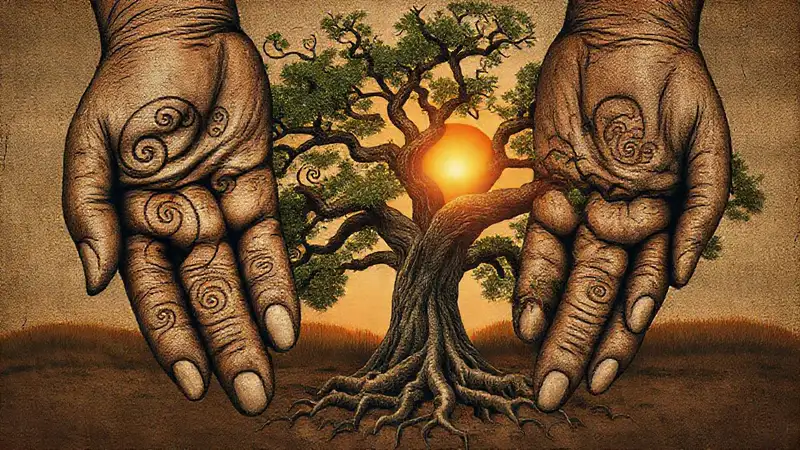
Cultura's history has been marked by periods of hardship – volcanic eruptions, unpredictable weather patterns, and limited resources. As a result, the culture places high value on perseverance, resilience, and the ability to overcome adversity. Many proverbs offer encouragement and guidance in times of difficulty, reminding individuals that challenges are inevitable but surmountable. "Even the strongest tree bends in the wind, but it does not break," is a testament to the power of adaptability.
These proverbs frequently emphasize the importance of maintaining hope and determination, even when faced with seemingly insurmountable obstacles. “A small spark can ignite a great fire” illustrates the idea that even the smallest efforts can lead to significant achievements. Giving up easily is discouraged; instead, Cultura teaches its people to view setbacks as opportunities for growth and learning. The concept of enduring hardship with dignity is deeply ingrained in the mentality.
The ability to learn from mistakes and adapt to changing circumstances is also highly valued. A common saying, “The wise man learns from the river’s path, not its stones," advocates for observing natural processes and adapting strategies accordingly. This ability to evolve and endure, to consistently rise in the face of difficulty, forms the bedrock of Cultura’s character.
## The Complexity of Justice and Fairness
While Cultura society generally prioritizes communal harmony, proverbs also address the complexities of justice and fairness. These proverbs rarely offer simple solutions but instead explore the nuances of navigating difficult situations and ensuring equitable treatment for all members of the community. "A single stone can disrupt a still pond, so a single injustice disrupts the peace," highlights the ripple effects of iniquity.
Justice isn’t always about strict legal adherence; it's also about restorative practices and reconciliation. Proverbs like, "To heal a wound, mend the broken bond," suggest that repairing relationships and restoring trust are essential components of achieving true justice. Retribution is often discouraged in favor of finding solutions that address the root causes of conflict and prevent future harm. The ideal leans towards restorative justice.
The concept of fairness often extends beyond mere equality. Recognizing that individuals have different needs and circumstances, some proverbs advocate for proportional treatment. "Give a hungry man fish, or teach him to fish," embodies this principle. True fairness, therefore, lies not just in providing equal resources but in empowering individuals to help themselves and contributing to the overall prosperity of the community.
## Conclusion
The proverbs of Cultura provide an invaluable window into the values, beliefs, and worldview of a unique island nation. From emphasizing the importance of respecting elders to promoting sustainable practices and championing resilience, these concise sayings offer a profound understanding of the Cultura societal fabric. They are more than just clever phrases; they are living embodiments of a culture's wisdom, actively shaping behavior and reinforcing social norms.
By analyzing these proverbs, we gain a deeper appreciation for the complexities of Cultura society and challenge preconceived notions often based on superficial observations. Their enduring power lies not just in their memorability, but in their ability to convey profound truths about human nature and the importance of living in harmony with both each other and the natural world, proving the enduring relevance of folklore in shaping cultural identity.
Deja una respuesta