What Cultura folklore star constellations guide navigation
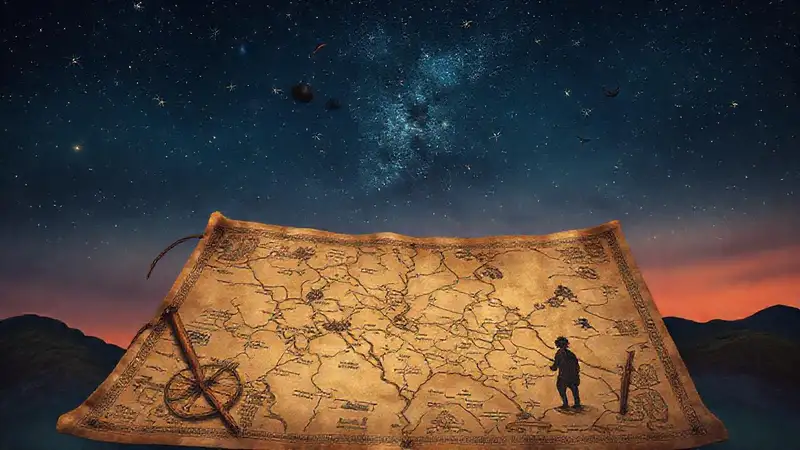
The Cultura people, inhabiting the windswept plains and jagged peaks of the Azure Highlands, have a rich and complex oral tradition deeply intertwined with the celestial sphere. Their very survival, historically, depended on understanding the rhythms of the land, the movement of animals, and crucially, the patterns of the stars. Unlike many cultures who see constellations as mythical figures, the Cultura interpret them as practical navigational tools, imbued with spiritual significance but rooted in observable astronomical events. These aren't static stories; they're living, evolving guides, passed down through generations of Sky Readers – individuals specifically trained in this intricate art.
The folklore surrounding Cultura star constellations isn't just about finding your way across the plains. It's about understanding the interconnectedness of all things, reflecting seasonal changes, predicting weather patterns, and providing a moral framework for their society. Each constellation, or "Star-Path" as they are called, tells a story – not a fanciful tale, but a pragmatic lesson drawn from observing the world and the sky above. The knowledge embedded within these stories represents a profound understanding of the natural world and a deep respect for the forces that govern it.
## The Weaver's Loom: Guiding Seasonal Transitions
The Weaver’s Loom constellation is arguably the most important for the Cultura. It represents the cyclical nature of the seasons and dictates the planting and harvesting schedules. Observing the gradual shifting of its brightest stars allows the Sky Readers to determine the optimal time for sowing the vital root crops that sustain the Cultura people. The position of the ‘Crimson Thread’ star within the Loom is a key indicator of the upcoming rainy season, a period of both bounty and potential danger, requiring careful planning and preparation.
Traditional folklore states that the Weaver, a celestial being responsible for creating the seasons, uses the Loom to ensure balance and harmony in the world. The constellation’s appearance signifies her ongoing work, demanding respect and gratitude from the Cultura. They hold ceremonies coinciding with specific positions of the Weaver's Loom, offering thanks for past harvests and praying for future prosperity. These ceremonies often involve intricate dances that mimic the stars’ movements.
Finally, the presence or absence of the fainter ‘Lost Spindle’ star within the Weaver’s Loom is believed to portend the success or failure of the harvest. A visible Spindle is a sign of abundance, while its obscurity suggests a year of hardship and calls for careful resource management. This belief reinforces the Cultura’s focus on sustainable practices and communal sharing in times of scarcity.
## The Serpent’s Tail: Navigating the Western Plains
The Serpent’s Tail is a long, winding constellation that stretches across the western horizon, providing vital navigational clues for those traversing the vast and often treacherous Western Plains. The Cultura’s nomadic shepherds rely heavily on its position to track their herds and avoid the unpredictable sandstorms that plague the region. Each 'scale' along the Serpent’s Tail corresponds to a specific landmark - a rock formation, a dried riverbed, or a patch of sparse vegetation - serving as a living map for the wanderers.
The folklore surrounding the Serpent’s Tail tells of a giant serpent guarding a hidden oasis, a mythical place of endless water and abundance. While the oasis itself isn't literally believed to exist, the stories serve as a cautionary reminder to respect the harsh environment and to be mindful of the resources available. Many young shepherds are taught tales of foolish travelers who ignored the Serpent's guidance and were lost to the plains, highlighting the importance of celestial obedience.
The most significant star within the Serpent's Tail, 'Jade Eye', is believed to reflect the mood of the plains. A bright, clear Jade Eye signifies safe passage and good grazing, whereas a dimmed or obscured eye warns of impending danger – strong winds, predator activity, or even hostile tribes. Experienced Sky Readers can even interpret subtle color shifts in Jade Eye to predict the intensity of upcoming weather.
## The Hunter's Bow: Identifying Safe Hunting Grounds
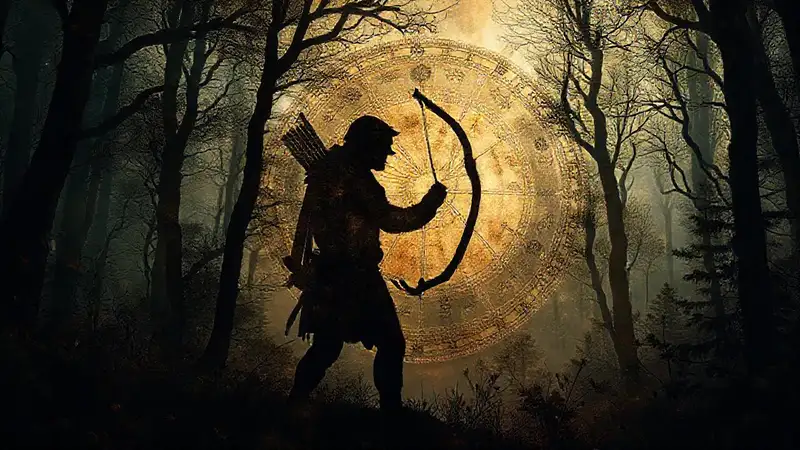
The Hunter’s Bow constellation marks the migratory routes of the Azure Elk, the primary source of meat and hides for the Cultura. Identifying the Bow’s position relative to other constellations indicates the likely location of the elk herds at different times of the year, guiding hunters to the most fruitful territories. This knowledge isn't just about finding animals; it's about ensuring the sustainability of the elk population, a cornerstone of Cultura culture.
Folklore depicts the Hunter as a benevolent spirit, protecting the elk herds and ensuring their continued abundance. Hunters traditionally perform rituals before setting out, offering prayers to the Hunter and asking for his guidance and protection. These rituals emphasize respect for the animal and a commitment to taking only what is needed, promoting a philosophy of balance within the ecosystem.
The two stars that form the ends of the bow, ‘Swift Arrow’ and ‘Silent Quiver’, represent the hunter's skill and the elk's agility. When Swift Arrow is aligned with the rising sun, it's considered a particularly auspicious time for hunting, signifying both a successful hunt and a safe return. Conversely, an alignment with the setting sun forewarns of potential dangers.
## The Silent Watcher: Predicting Storms and Dangers
The Silent Watcher, a small but distinct constellation, plays a vital role in predicting approaching storms and warning of potential dangers. Its gradual brightening signals an impending shift in weather patterns, often indicating a severe thunderstorm or even a sandstorm. The Cultura utilize this early warning system to seek shelter and protect their livestock, minimizing the impact of harsh weather events.
According to legend, the Silent Watcher is a guardian spirit, constantly vigilant and watching over the Cultura people. It doesn't speak, but communicates through the changing intensity of its light, offering silent warnings to those who know how to interpret them. This reinforces the Cultura's belief in the power of observation and the importance of remaining attentive to the subtle signs of the natural world. The Sky Readers are revered for their ability to decipher this unspoken language.
The brightness of the constellation is not the only indicator. The speed at which it rises and sets also carries significance. A rapid ascent signifies a sudden and violent storm, while a slower rise suggests a more gradual, but potentially equally dangerous, shift in weather. These observations are critical for ensuring the safety and well-being of the entire community.
## Conclusion
The Cultura’s folklore regarding star constellations represents a remarkable blend of astronomical observation, practical navigation, and deeply ingrained cultural beliefs. It's more than just a map in the sky; it's a living narrative that shapes their understanding of the world, guiding their actions and influencing their societal values. The continuity of this knowledge across generations underscores its importance to their cultural identity.
The fading of this ancient knowledge, however, represents a significant challenge for the Cultura people. Modern technology offers alternative methods of navigation, and the younger generation is increasingly drawn to urban centers, distancing themselves from the traditional roles of Sky Readers. Preserving this rich heritage, safeguarding the intricate wisdom held within these star-paths, is vital to protecting the Cultura’s unique cultural identity.
Deja una respuesta